


Floor Installation and Repair Services for Homes in Orange, CT
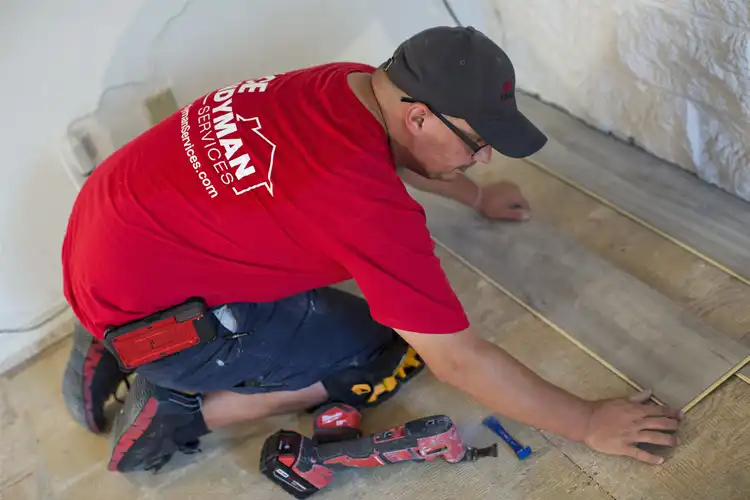
Orange, CT homes face a demanding combination of warm, humid summers and cold winters with nor'easter snowfall, and floors take the brunt of those seasonal swings. Our craftspeople work across the full floor services scope, from substrate leveling and moisture barrier installation to finish-coat refinishing and transition strip fitting.
HARDWOOD & ENGINEERED
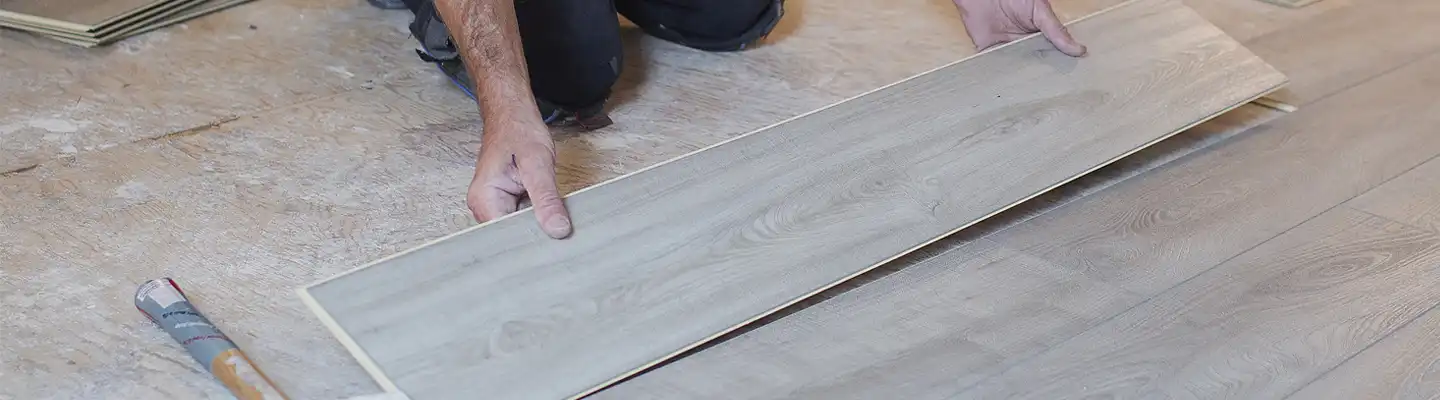
Hardwood and Engineered Floor InstallationWe install solid and engineered hardwood across Orange homes, accounting for the local humidity swings that cause expansion and cupping without proper acclimation and gapping.
|
REPAIR & REFINISH
Floor Repair and RefinishingSqueaky boards, cupped planks, and worn finish are common in older Orange homes, and most can be corrected without a full floor replacement.
|
VINYL & LAMINATE
Luxury Vinyl Plank and Laminate InstallationLuxury vinyl plank and laminate are strong performers in Orange's humidity-prone spaces, including below-grade rooms where moisture is a consistent concern.
|
TILE & SUBFLOOR
Tile Installation and Subfloor RepairTile floors require a flat, solid substrate, and in Orange homes with older joisted subfloors or water-affected underlayment, substrate work comes first before any tile floor installation begins. Our crew is ready to walk the project, write an honest scope, and put a date on the calendar that works for your home.
|
Orange's year-round marine climate affects more than just floors. Before we begin floor installation or floor repair work, our craftspeople assess adjacent conditions that influence the outcome. Poorly sealed attic services areas above conditioned space can push warm, moist air into floor cavities, while gaps in insulation services at rim joists let cold drafts condense against subflooring in winter. We also note whether dryer vent services routing exits cleanly, since blocked vents raise interior humidity and accelerate wood movement. Addressing these conditions before the floor work starts protects the finished surface for years longer than simply laying material over an untreated substrate.