


By Dan Kern
Owner, Ace Handyman Services Fox Valley
Part of our Homeowner Insights series
October has been unusually warm so far here in the Fox Valley. It’s been nice, but it can make it easy to forget that colder weather is on its way. Before we know it, the days will be shorter, the furnace will be running, and we’ll be dealing with rain, snow, and ice around the house.
A few small jobs now can make the home more comfortable and safer when that change comes.
Keep the cold out
Check the weather stripping around exterior doors. If it’s cracked, loose, or letting in a draft, it may be time to replace it. Take a look at storm doors and windows, too. Make sure they close and latch properly, and that their seals are in decent shape.
These aren’t the biggest projects, but a little attention can help keep cold air out and make rooms near those doors and windows more comfortable.
Make the darker hours easier to manage
As the days get shorter, take a look at the lighting around entries, hallways, stairs, and outside the home. A new fixture may help in some spots. In others, replacing an older bulb with an LED could be enough.
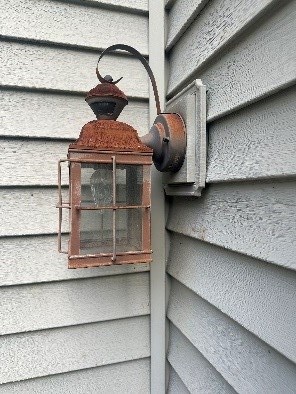
For an exterior light, a dusk to dawn switch can turn the light on as it gets dark and off again in the morning. Paired with LED bulbs, it’s a simple way to brighten the area around your home without leaving older, higher energy bulbs on all night. Check that the switch and bulbs are compatible with your fixture.
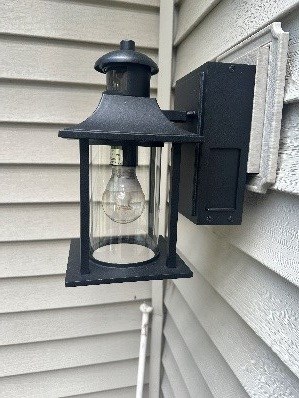
Good lighting also makes it easier to see steps, walkways, packages, and anything that may have been tracked in from outside.
Check the handholds at the door
Railings, grab bars, and other handholds matter around entrances and exits. When rain, snow, or ice makes the ground slippery, having something secure to hold can make a real difference.
Give the handholds you already have a firm check. If one moves or feels loose, don’t count on it when you need it most. And if you’ve been meaning to add a railing or grab bar, it’s a good project to take care of before winter weather arrives. A secure handhold needs to be attached to solid support.
Think about where rainwater goes
Gutters and downspouts help move rainwater away from the house. Before the weather turns, check that gutters are clear and that downspouts carry water away from the foundation.
Also notice where water collects after a rain. A puddle near a walkway or entry can become a sheet of ice when temperatures drop. The same is true for water that drains onto steps or a driveway. It’s easier to address a drainage problem before the first freeze than after someone slips.
Gutter work can involve ladders and roof edges, so use a qualified professional when the job isn’t safe to do from the ground.
Make room for winter
This is also the time many of us start bringing outdoor items into the garage or basement and putting away things we won’t need until spring. A little organization can make a big difference. Clear a path to the door, keep steps and walkways open, and make sure you can still get to the furnace, electrical panel, and other equipment without moving a stack of boxes.
Try to leave shovels, ice melt, and other winter supplies where you can reach them. The first snow always seems to arrive just when we’ve put those things somewhere “safe.”
Test the smoke and carbon monoxide alarms
Heating season is a good reminder to check smoke alarms and carbon monoxide alarms. Test them, check their age, and follow the manufacturer’s instructions for batteries and replacement. Smoke alarms should be replaced when they reach the end of their service life, often around ten years. Carbon monoxide alarms should be installed where recommended for your home, including near sleeping areas.
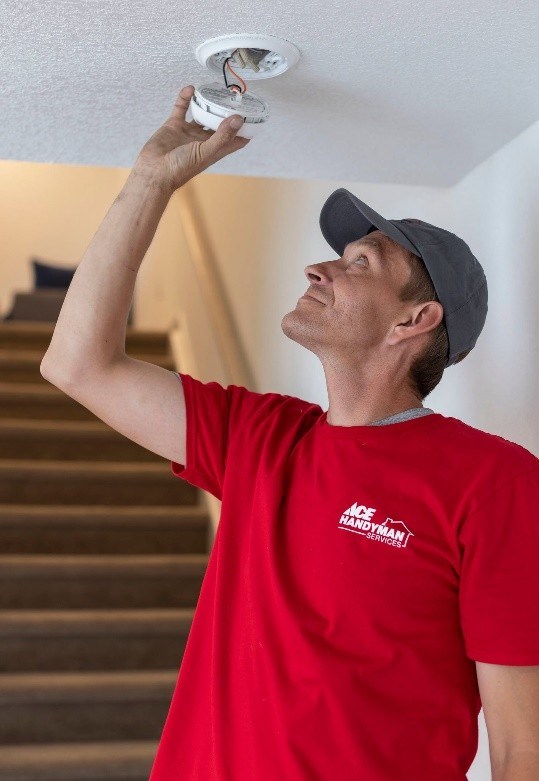
If you use a fuel burning heating system, have it inspected and serviced regularly by a qualified professional. Alarms are there to warn you, but they don’t take the place of maintaining heating equipment. www.usfa.fema.gov
You don’t have to do everything in one weekend. Maybe start with the door that lets in the most cold air, the loose railing, or the downspout that leaves a puddle by the steps. The point is to get ahead of the weather while it’s still comfortable to work outside.
A little preparation can make the colder months easier to live with. And some of these jobs do more than protect the house. They can help make it safer for the people coming and going every day.