



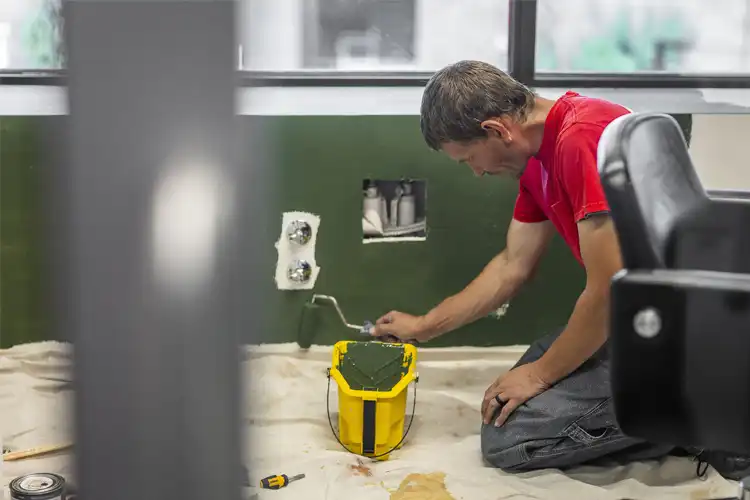
Commercial Handyman Services in Myrtle Beach, SC
Commercial spaces along the Grand Strand face unique maintenance demands shaped by high visitor volumes, persistent coastal humidity, and the accelerated material wear that comes with sea-level ocean air exposure from Little River down to Pawleys Island.
INTERIOR REPAIR
Drywall and Wall Surface RepairCommercial drywall damage from cart impacts, door handle punches, and fixture removal is common in high-traffic retail and office environments along Highway 501 and the Carolina Forest Boulevard corridor.
|
EXTERIOR MAINTENANCE
Facade and Entry UpkeepCoastal businesses near Broadway at the Beach and along the Highway 17 Business strip contend with salt-driven paint oxidation, corroded hardware, and exterior surfaces that degrade faster than they would in non-coastal markets.
|
FLOOR AND FIXTURE
Commercial Floor and Fixture WorkRetail floors, break room fixtures, and restroom accessories in Myrtle Beach, SC commercial buildings take a beating through seasonal tourist surges that push foot traffic to peak levels from May through September.
|
SAFETY AND COMPLIANCE
Accessibility and Safety ImprovementsBusinesses in Horry County and Georgetown County benefit from proactive grab-bar installation, threshold leveling, and handrail reinforcement that reduce liability exposure in high-volume commercial environments. Our crew is ready to walk the project, write an honest scope, and put a date on the calendar that works for your home.
|
Coastal commercial buildings from Surfside Beach to North Myrtle Beach often require more frequent maintenance cycles than inland properties because ocean air degrades caulk, paint, and hardware at an accelerated rate. Beyond wall and floor repairs, business owners commonly ask about appliance services for break room equipment, dryer vent services for laundry-capable commercial suites, and insulation services for older strip-mall units that lose conditioned air through aging wall assemblies. Scheduling preventive maintenance across these systems before the busy summer season reduces operational disruption when visitor volume is at its highest.