


Drywall Repair and Installation Services for Homes in Webster, TX
Webster homes face a demanding combination of Gulf Coast humidity, seasonal soil movement, and periodic hurricane-force wind events that stress interior wall systems in ways that dry-climate drywall work simply does not prepare for. Our craftsmen bring the knowledge of local conditions to every drywall services job, matching existing textures and delivering a paint-ready finish across the full range of repair and installation tasks in Webster, TX.
PATCH & REPAIR
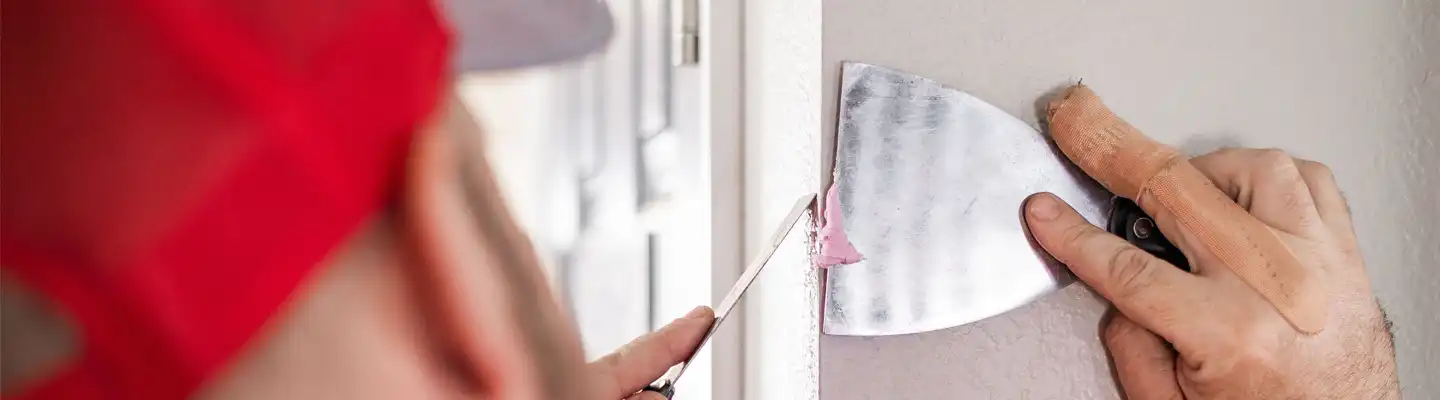
Hole Repair and Drywall PatchingWe handle drywall repair for holes of any size, from nail pops and doorknob strikes to larger cutouts left by prior trades work, cutting back to clean framing and backing before applying new drywall.
|
TEXTURE & FINISH
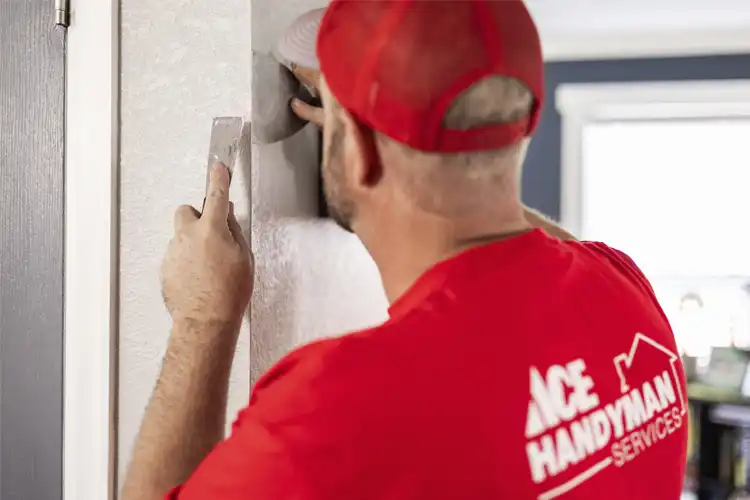
Texture Matching and FinishingGetting the repair invisible after painting requires matching the original wall texture across the patch boundary, whether that texture is orange peel, knockdown, or smooth finish common in newer Webster builds.
|
CEILING WORK
Ceiling Drywall Repair and Popcorn RemovalCeiling repairs in Webster homes often follow water intrusion events from roof damage or upstairs bathroom issues, and popcorn ceiling removal is a common request in homes across the surrounding area.
|
INSTALLATION
New Drywall Installation and Panel ReplacementFull panel installation is the right path when damage is too extensive for patching, when moisture-resistant drywall is needed in bathrooms or utility areas, or when adding a new partition wall inside a Webster home.
|
Before any drywall services work begins in Webster's high-humidity environment, our craftsmen check for active moisture intrusion so repairs do not trap water inside the wall cavity. Homeowners often pair drywall work with attic services to address ventilation gaps driving condensation, with insulation services when vapor barrier issues are contributing to wall damage, and with dryer vent services when improper exhaust routing has allowed warm moist air to deteriorate adjacent drywall over time.