


The short answer: If you see or smell moisture in your home, act within a day or two. According to the EPA, water-damaged areas should be dried within 24 to 48 hours to keep mold from growing. Find and stop the source, dry the area out completely (professionally if water got inside walls, floors or ceilings), and then repair the drywall, paint and trim. One call to your local Ace office can get all of it started.
Why moisture turns into a mold problem so fast
Mold needs three things: moisture, something to feed on, and time. Drywall paper, wood framing, carpet pads and even dust give it plenty to feed on, so the only thing you can really control is the moisture. That’s why the clock matters. A small leak caught today is usually a straightforward dry-out and patch. The same leak left for a few weeks can mean opening walls, removing materials and a much bigger repair.
Here in the South Bay, our homes deal with a few extra challenges: damp marine air, salt that wears down caulk and paint faster than inland, and plenty of older plumbing in homes from Redondo to Torrance. Add a rainy season like this one, and small leaks show up more often than most owners expect.
Signs of hidden water damage
Water doesn’t always announce itself with a puddle. Watch for:
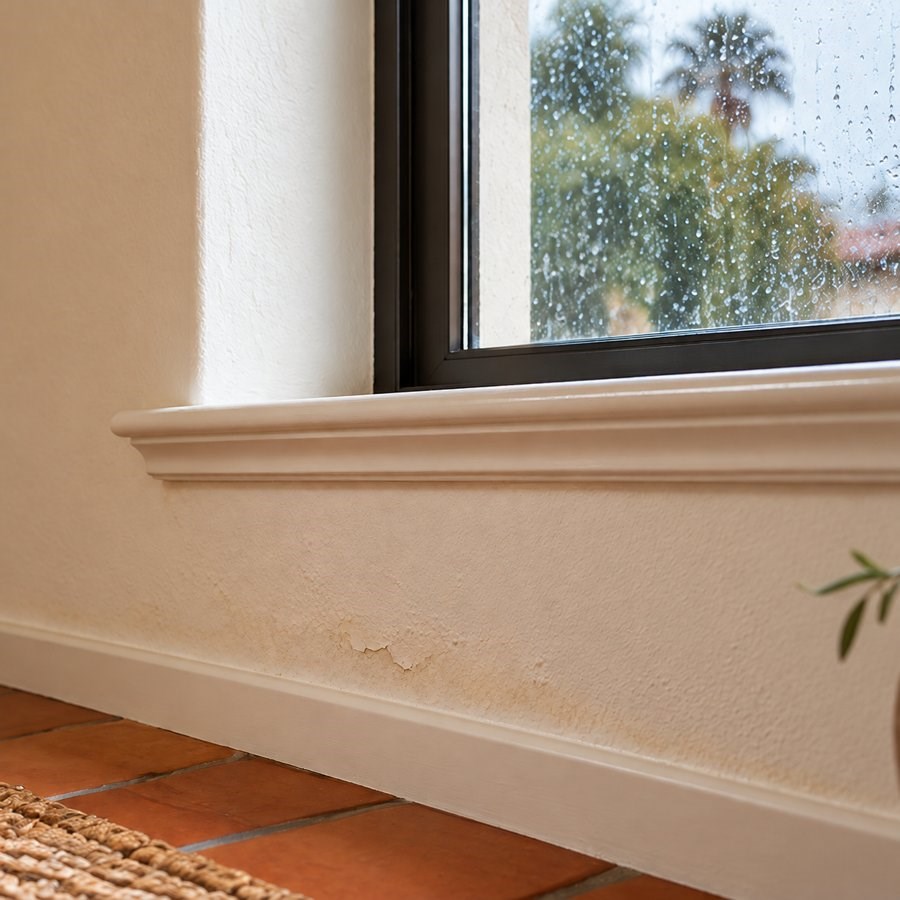
- Paint that bubbles, peels or looks stained, especially near windows, baseboards and ceilings
- Drywall or baseboards that feel soft or look swollen or warped
- A musty smell that lingers in one room or closet
- Doors that suddenly stick, since swelling often points to moisture
- A water bill that jumps for no clear reason, which can mean a hidden leak
- Stains on the ceiling below a bathroom or along an exterior wall after rain
If you notice any of these, don’t wait to see if it gets worse. Moisture that sits is how mold gets started.
What to do first if you find a leak or wet area
- Stop the water if you can. Turn off the fixture’s shut-off valve or the main water valve, and move belongings out of the way.
- Take photos. Pictures of the area and any damaged items help if you file an insurance claim.
- Don’t just paint over it. A fresh coat of paint can hide a stain for a few weeks, but it won’t dry out the wall behind it.
- Call for help early. Wet drywall, insulation and subfloors usually need professional drying equipment to dry all the way through.
How Ace handles water damage, start to finish
You only need to make one call. Here’s how it works when you call our office:
Step 1: You call Ace
Tell us what you’re seeing or smelling. We’ll take a look, explain plainly what you’re dealing with, and set up everything from there, so you’re not calling around to different companies.
Step 2: We get it dried out and stop the mold risk
If water got into walls, floors or ceilings, we arrange professional water removal and structural drying, with mold remediation when it’s needed. Moisture meters and thermal cameras find the hidden moisture you can’t see, so nothing gets closed back up while it’s still wet.
Step 3: Our craftsmen put it back
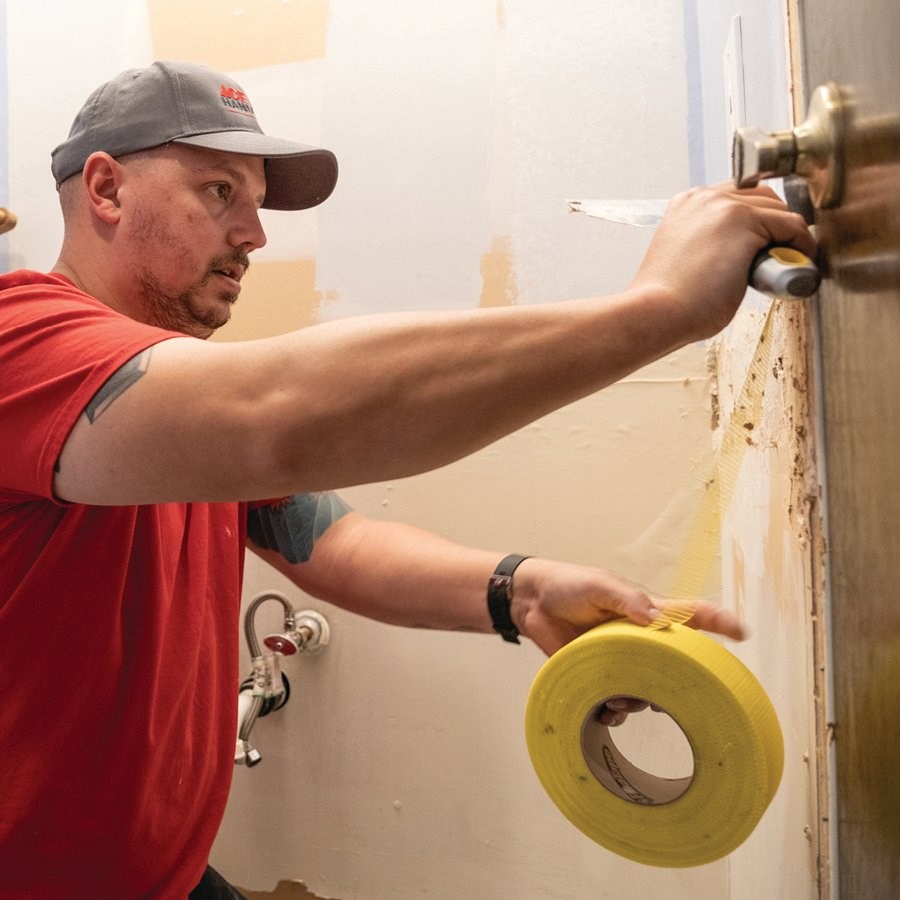
Once everything is dry, our own craftsmen make your home look like nothing happened. That includes drywall repair with texture and paint that match, new baseboards and trim, carpentry, door adjustments, and cabinet repairs.
When to call a professional
Small spills on a hard floor you can wipe up and dry yourself. Call for help when:
- Water got into drywall, insulation, carpet or under flooring
- You can smell mustiness but can’t find the source
- The wet area is bigger than a small spot, or it keeps coming back
- You see visible mold (the EPA recommends professional help for mold larger than about 10 square feet, or any mold tied to sewage or contaminated water)
Frequently Asked Questions
How long does it take for mold to grow after water damage?
Mold can start growing within 24 to 48 hours on wet materials, which is why the EPA recommends drying water-damaged areas and items within that window. The sooner the area is fully dry, the lower the risk.
Can I just paint over a water stain?
Not until the source is fixed and the wall is completely dry. Painting over a damp wall traps moisture behind the paint. Once it’s dry, a stain-blocking primer and a fresh coat of paint will cover it for good.
How do I know if there’s water behind my walls?
Look for bubbling or peeling paint, soft or swollen drywall, warped baseboards and a musty smell. Professionals use moisture meters and thermal cameras to confirm it without opening the wall.
Does homeowners insurance cover water damage?
It depends on your policy and the cause. Sudden, accidental leaks are often covered, while slow leaks and flooding usually aren’t. Check with your insurance agent, and take photos before anything is removed.
Who repairs the drywall after a water leak?
Once the area has been dried out, our craftsmen handle the rebuild: drywall, texture, paint, baseboards, trim, doors and cabinets. If professional drying or mold remediation is needed first, we set that up too, so you’re not calling around.
One call, start to finish
We’re your neighbors here in the South Bay, and we’d much rather help you catch a small leak early than fix a big mold problem later. Our craftsmen are our own employees, background-checked and skilled across multiple trades. We’re licensed, insured and bonded, and our repair work comes with a one-year warranty. Seniors and veterans save 10% (restrictions may apply).
Call Ace Handyman Services South Bay at (424) 279-3543 or tap Get Started below.