


One of the most common repairs homeowners need is fixing holes in their drywall. Sometimes they make a few too many gouges in their walls with nails, and other times hairline cracks form due to age and climate conditions. With the skilled team at Ace Handyman Service in Ann Arbor, we patch those holes, big or small. Here is more information about the techniques used during drywall repair:
Preparing the Wall Section
The first step before a drywall repair is done is to hire a professional to inspect the area. Their assessment will help determine which techniques will work best. Some holes are small and require less time and material, while others need extensive patching. In some cases, the drywall is damaged enough that a professional will recommend replacing the entire section.
Hiring the right crew means choosing repairmen who are knowledgeable about homes in the Ann Arbor area. With a thorough inspection, they should be able to determine the wall materials and what lies behind them. Insulation, pipes, and vent systems usually reside behind layers of plaster, so a professional crew must confirm these details before cutting.
After assessing the extent of the damage, repairmen will prep the area. This often includes cleaning debris and excess drywall and removing chipped paint. Wiping the walls down provides a clean, dry work surface. Once the surface is ready, repairmen begin applying the necessary materials to restore the damaged sections.
Patching the Holes
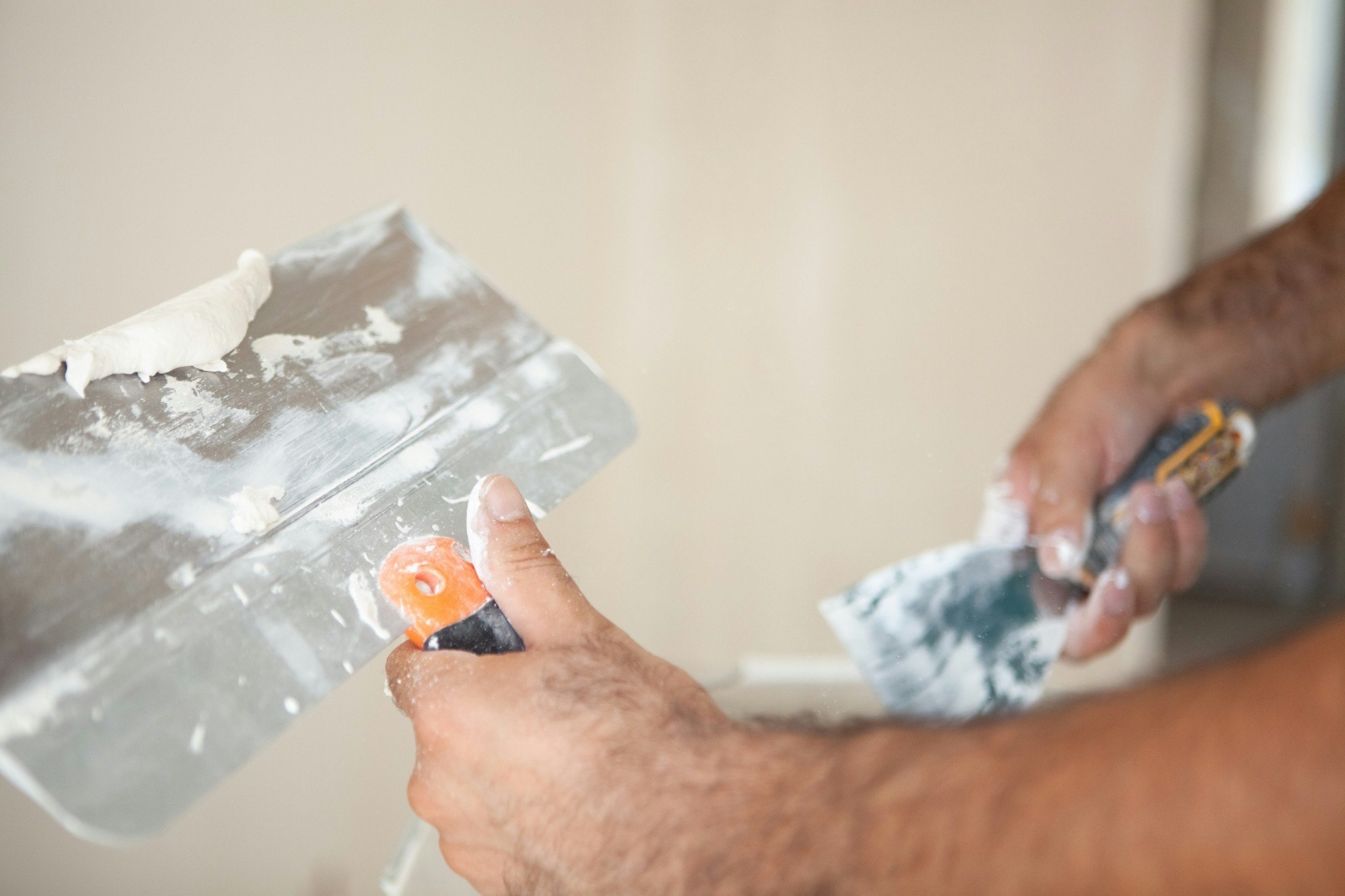
The process for patching and restoring your walls depends on the size of the hole. Walls with small nail holes and dents are easily repaired by applying a compound, also known as drywall mud, with a knife. Slightly larger holes usually benefit from a small mesh patch laid over the hole.
Extensive drywall patching is best reserved for medium to large holes that need to be cut and given a mesh backing for reinforcement. A layer of drywall compound is used to fill in the rest of the space. For hairline cracks, mesh tape is applied, then filled and feathered. The mesh tape prevents the crack from getting bigger, while the drywall mud helps restore the wall's surface. After each repair, the area is sanded to blend it so that it matches the rest of the wall.
Installing New Drywall
Basement finishing and garage remodeling projects often require new drywall installation. The process involves securing drywall panels to the framing, taping the seams, and applying joint compound to create a smooth surface. The installation process typically includes the following steps:
- Hanging full sheets or panels of drywall
- Securing panels with screws along the edges and framing
- Applying tape over the seams between panels
- Applying several coats of drywall joint compound
Drywall replacement also applies to ceilings. Older ceilings or those with water damage, cracks, or other visible deterioration often require new drywall during a renovation. Ceiling installation follows a similar process to wall installation, with panels secured to the ceiling framing and finished with joint compound.
Matching the Texture
Replacing and repairing drywall doesn't end when the gaps are filled. Matching the texture, sanding, and preparing the walls for paint are part of the process, too. Some homes in Ann Arbor have distinct wall finishes, and a skilled repair team will know how to match a new finish to an old one for a seamless look. Once you've applied a coat of paint to your new walls, the repair shouldn't be visible.
Schedule Your Drywall Repair Services
Drywall repairs typically involve assessing the damage, preparing the surface, and applying new materials. Look for a team that can help you with all your home repair needs. At Ace Handy Man Service - Ann Arbor, we strive to provide homeowners in the area with a range of repair solutions tailored to customer needs. Call us today to ask about our services and schedule a consultation.