


You step beside the toilet, by the back door or in front of the tub, and the floor gives a little. It might have started as a slight dip. In Clayton and across Johnston County, that soft spot is usually a sign the plywood or particleboard under your flooring has been getting wet. It rarely fixes itself, but it's often a contained repair if it's caught early. Our floor repair team in Clayton checks the subfloor first, so the fix is built on something solid. Here's how to tell what you're dealing with.
What causes a soft spot in a floor?
- A slow leak. Toilet seals, tub drains, supply lines and dishwashers can drip for months before anything shows.
- Water at a door. A worn threshold or an exterior door that lets rain in soaks the subfloor right inside the opening.
- Crawl-space moisture. Damp air under a house keeps subfloor and joists wet, especially with missing insulation or poor drainage.
- Delaminated subfloor. Older particleboard swells and crumbles when it gets wet. That's common in older and manufactured homes.
- A loose or undersized joist. If the floor bounces across a wider area, the framing may be the issue, not the subfloor.
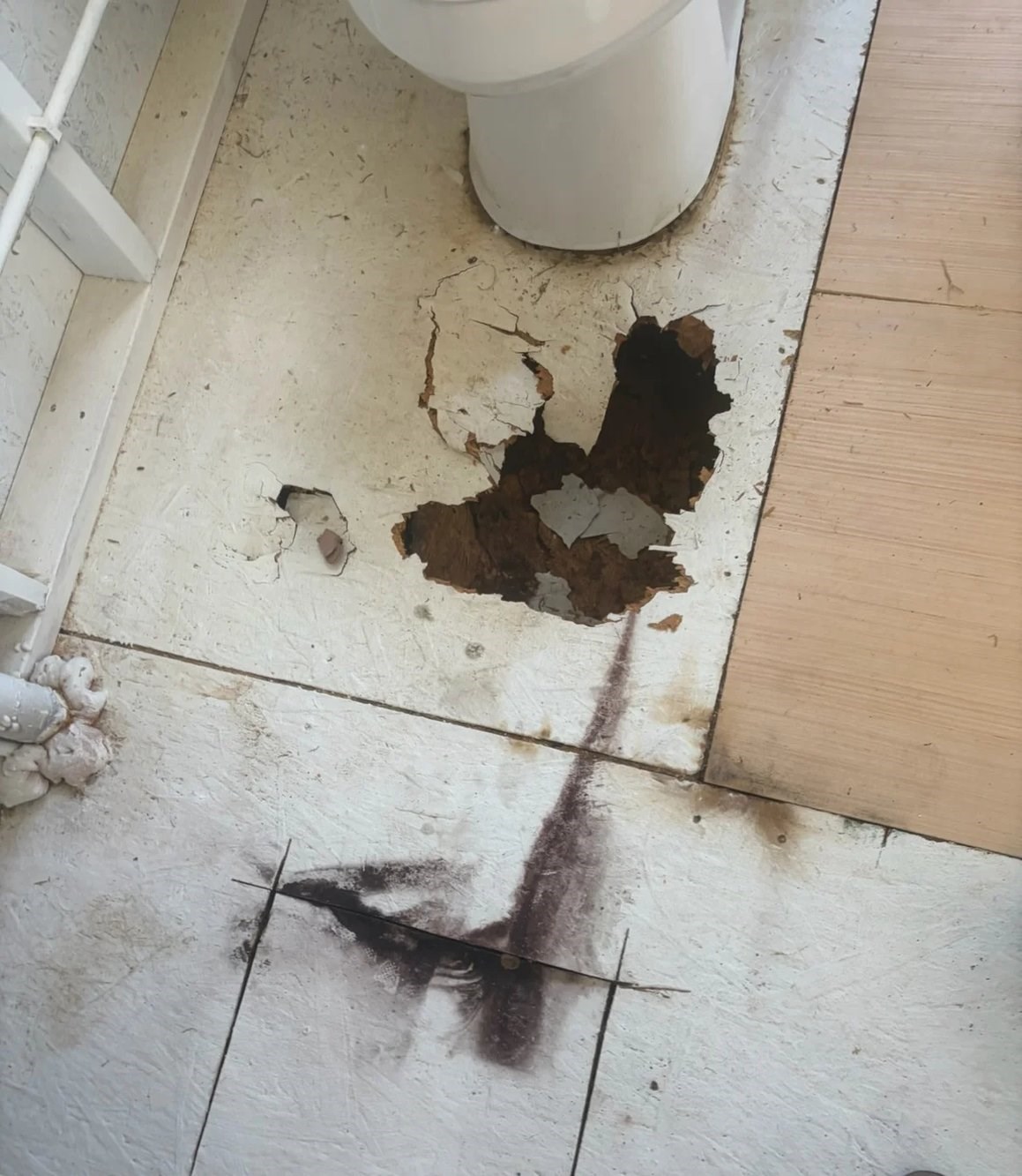
Can a subfloor be repaired, or does it need to be replaced?
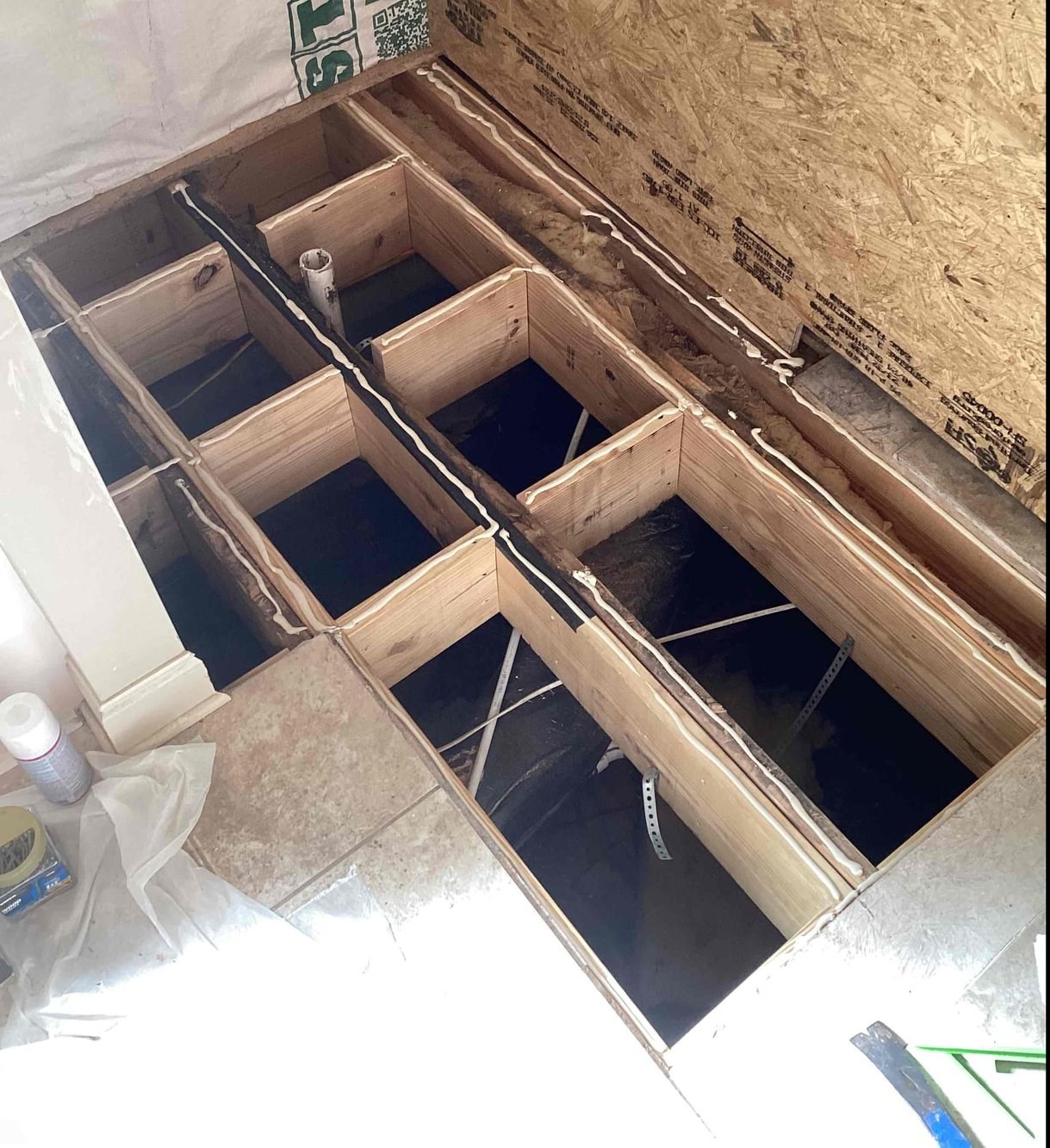
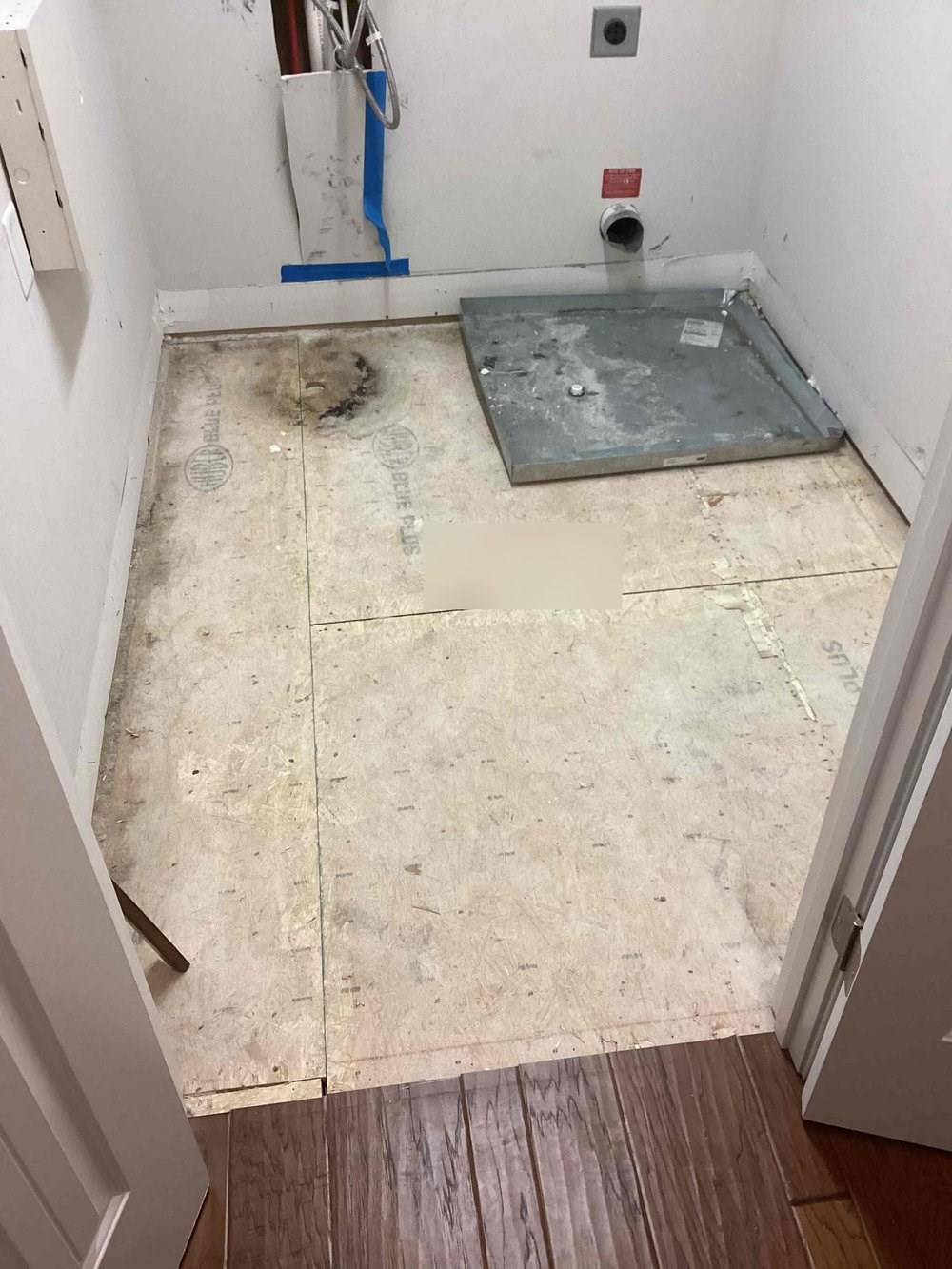
Usually only the damaged section needs replacing. The flooring is lifted, the soft subfloor is cut back to solid wood, the joists are checked, and new plywood is fastened in place and tied into the sound subfloor around it. If the joists are solid, the repair stays small. If moisture has spread across the room, or the panels are failing throughout, a larger section needs to come up.
Is it worth doing? Yes. A soft subfloor doesn't hold new flooring or tile, and it won't stop getting worse if the water is still coming.
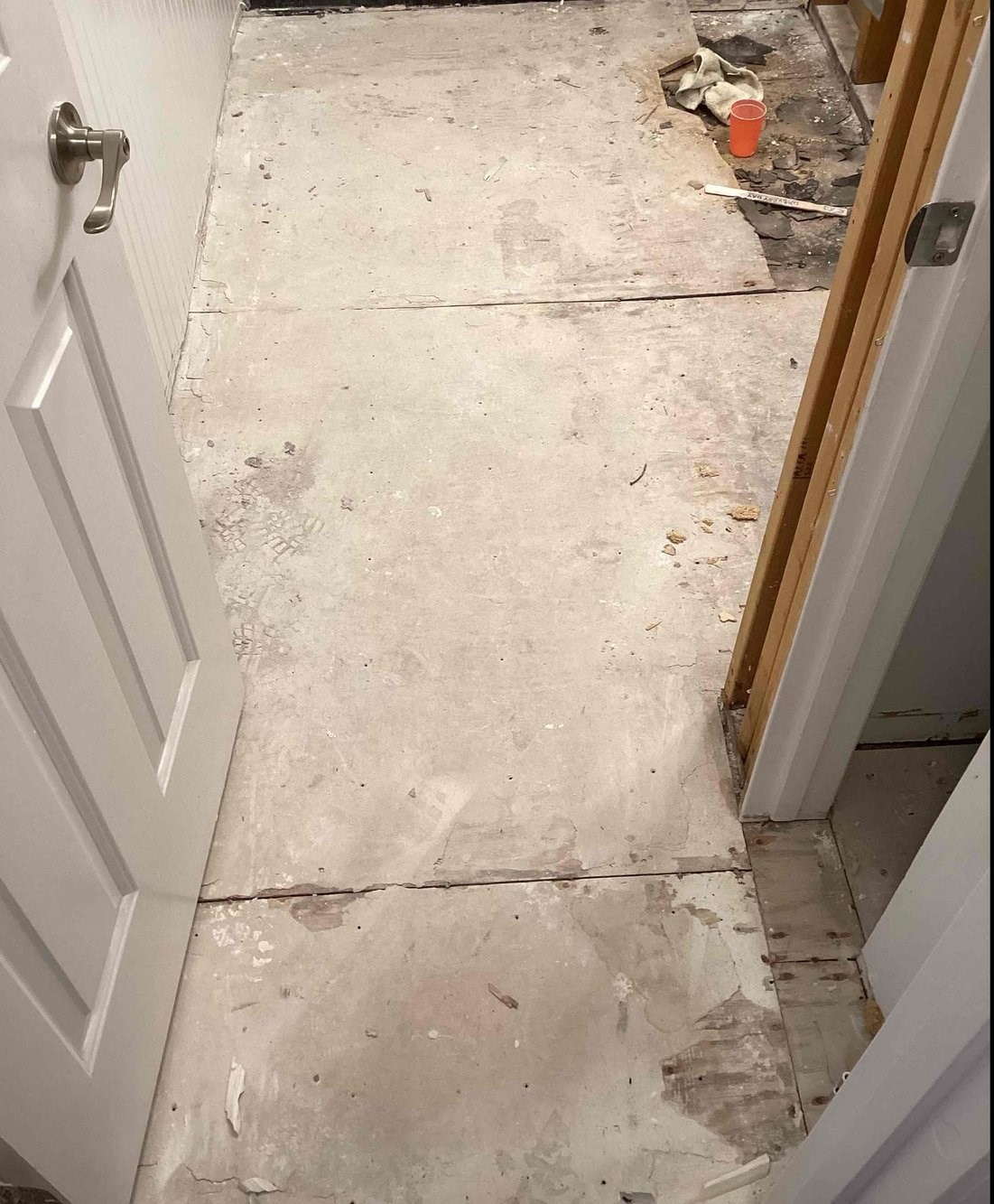
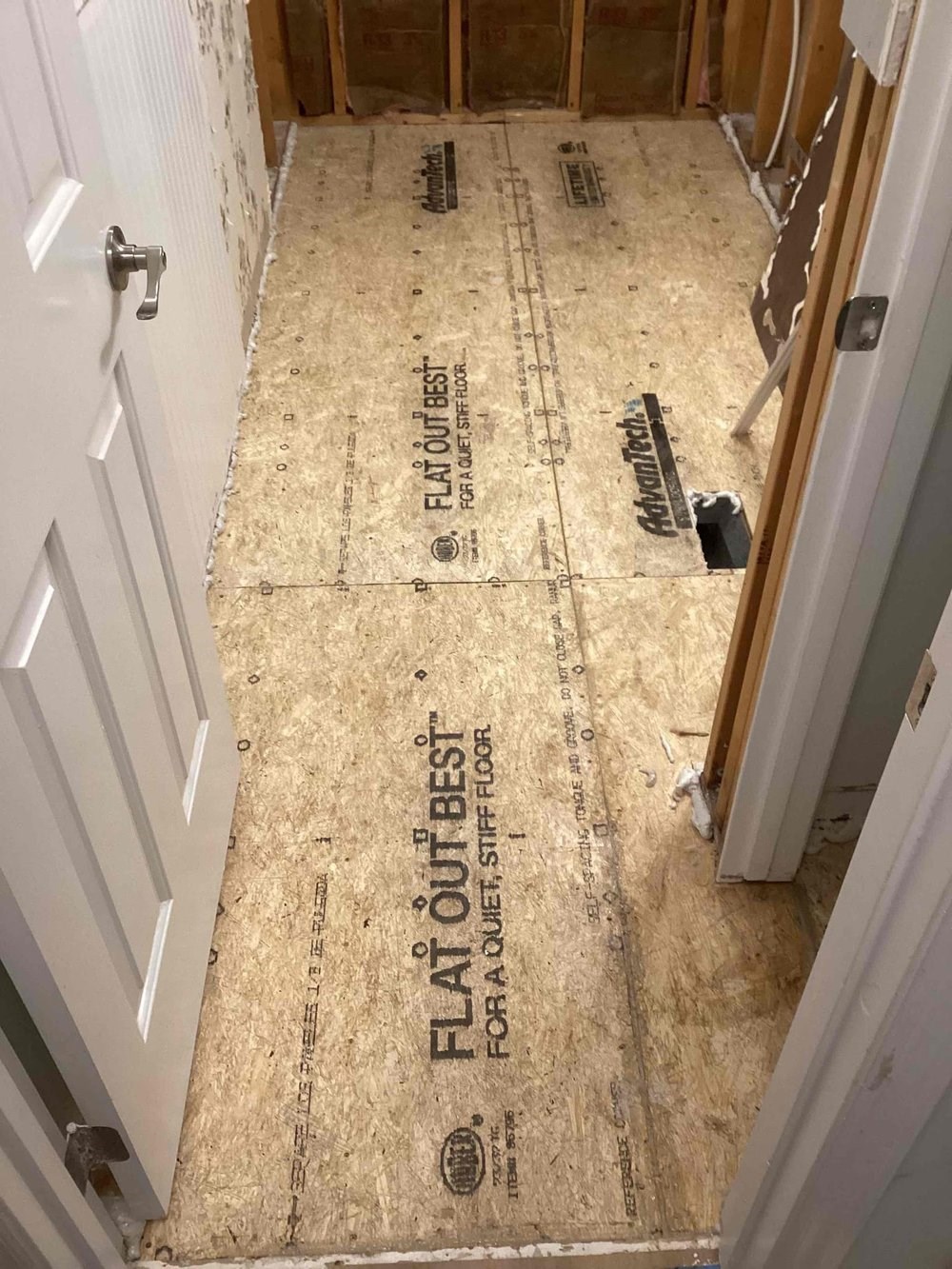
Can you put a new subfloor over the old one?
Not over wet or soft wood. Covering a soft spot traps the moisture and leaves the weak area in place. A thin layer of underlayment can go over a sound, dry subfloor to smooth it for new flooring, but anything soft should be cut out first.
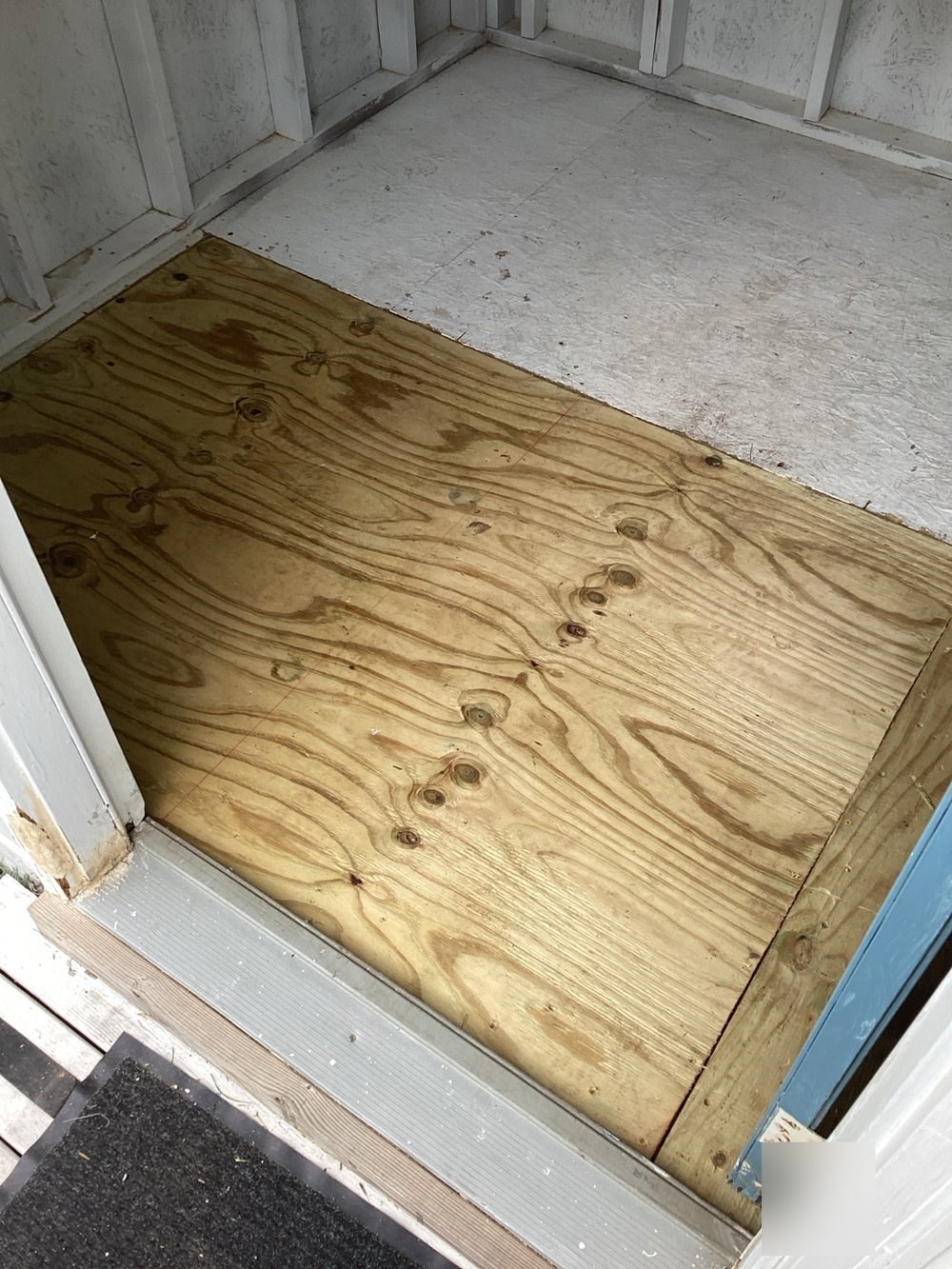
What if the soft spot is in the bathroom?
That's where we see it most. Around a toilet, the first thing to check is the wax seal. We caulk toilet bases at the front and sides and leave a small weep hole at the back, so a failing seal shows up on the floor right away instead of soaking the subfloor unseen. If a leak is the cause, a plumber fixes it before the floor goes back together.
Around tubs and showers, failed grout and caulk let water reach the floor. If the tile is cracked or hollow-sounding too, read our guide to cracked or loose bathroom tile. New flooring or tile goes back through our tile repair and installation team.
When is it a joist problem?
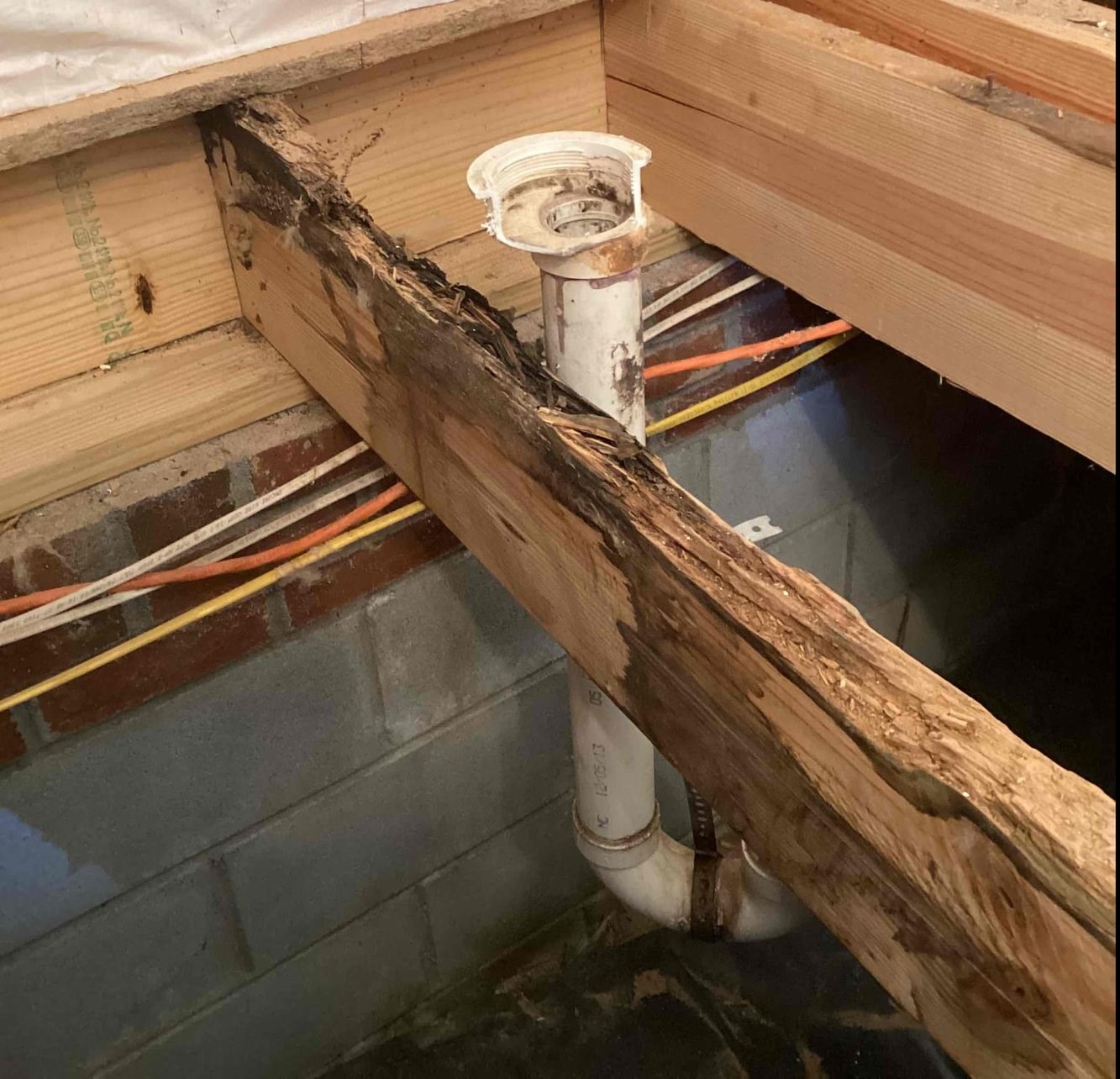
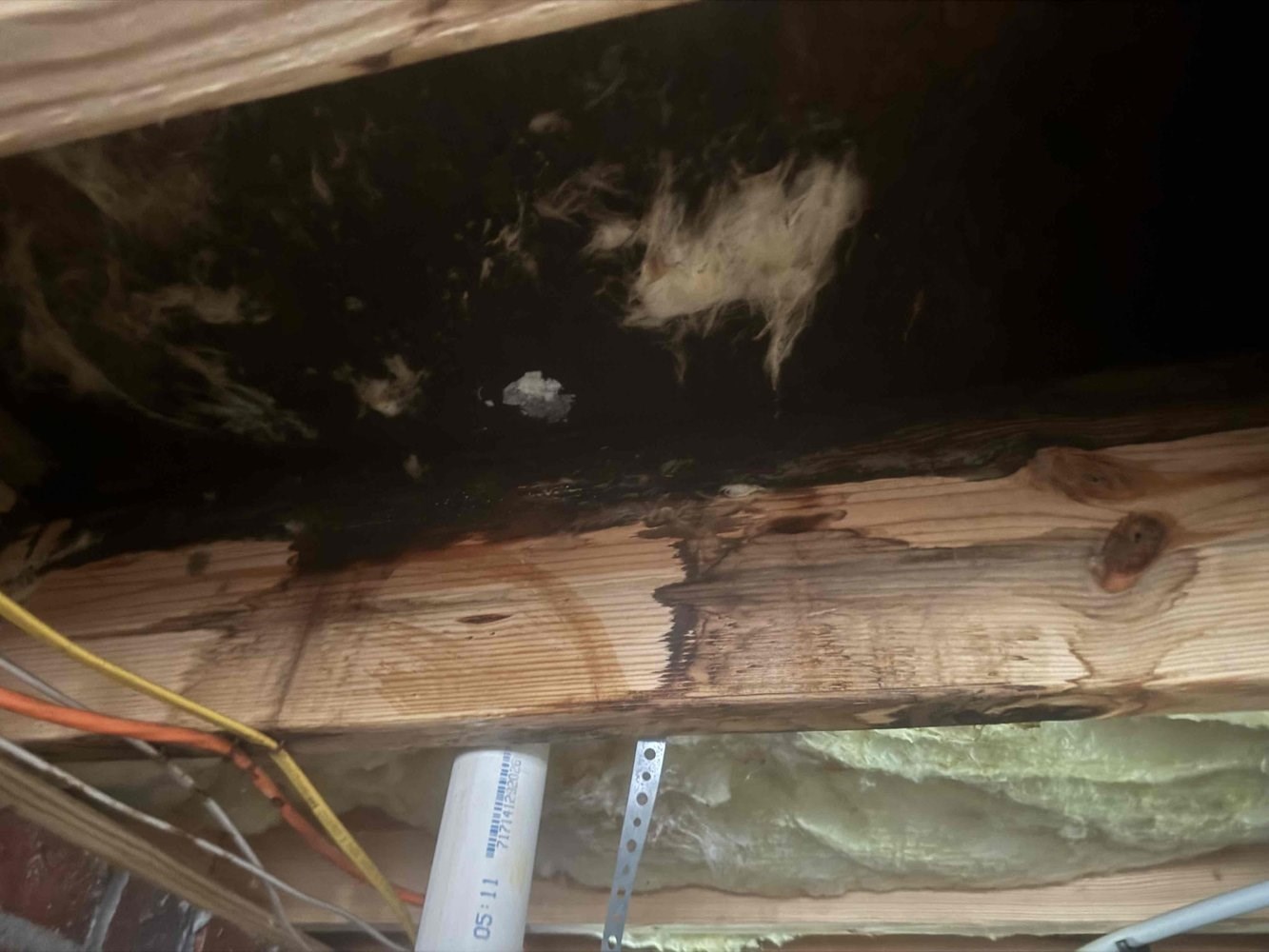
Walk the floor. A soft spot the size of a dinner plate is usually subfloor. A bounce or slope across several feet points to the framing underneath. From the crawl space, look for dark staining, crumbling wood or a sagging joist. A joist weakened by rot can often be reinforced by sistering a new board alongside it. If the sag is severe or involves beams or the foundation, a structural specialist should look at it, and we'll tell you if that's the case.
How do you stop it from coming back?
Fix the water first, then keep the area dry. Reseal the toilet base, keep the caulk and grout around the tub in good shape, repair door thresholds, and make sure the crawl space stays as dry as possible.
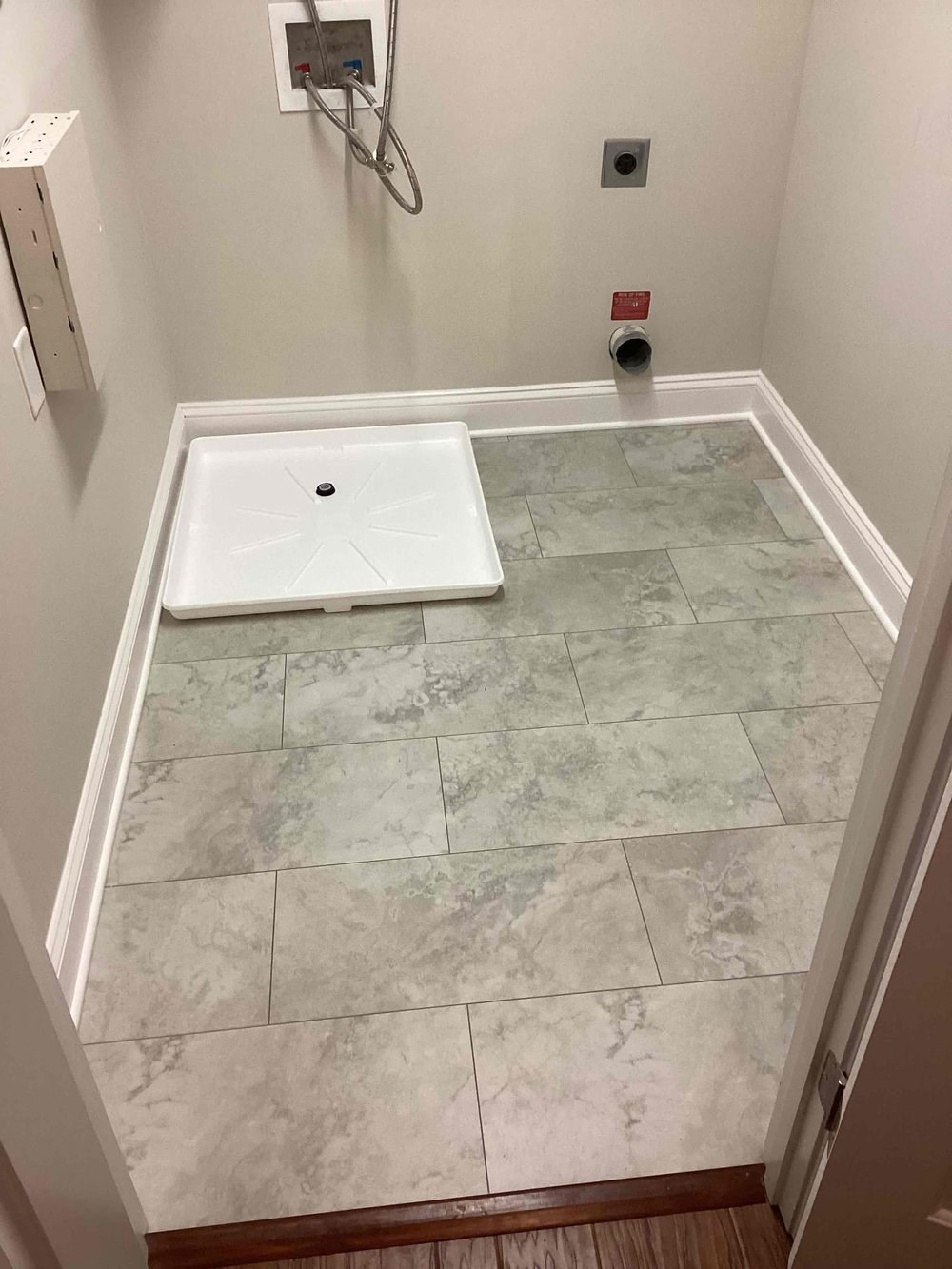
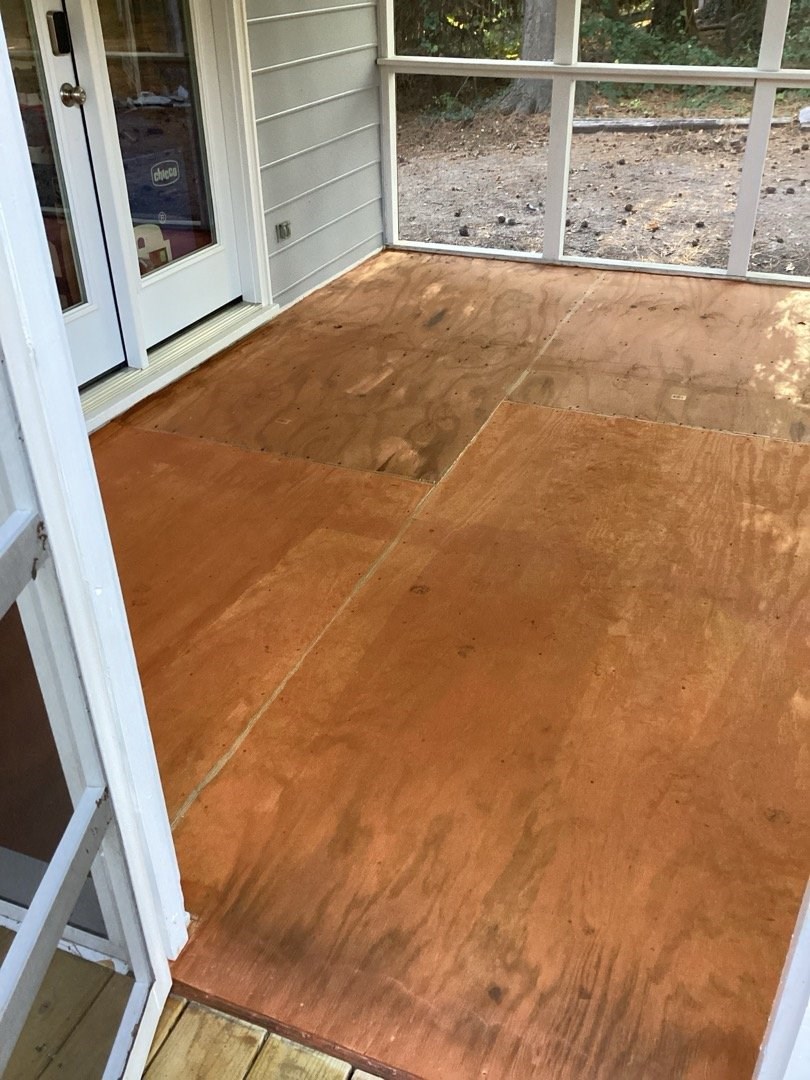
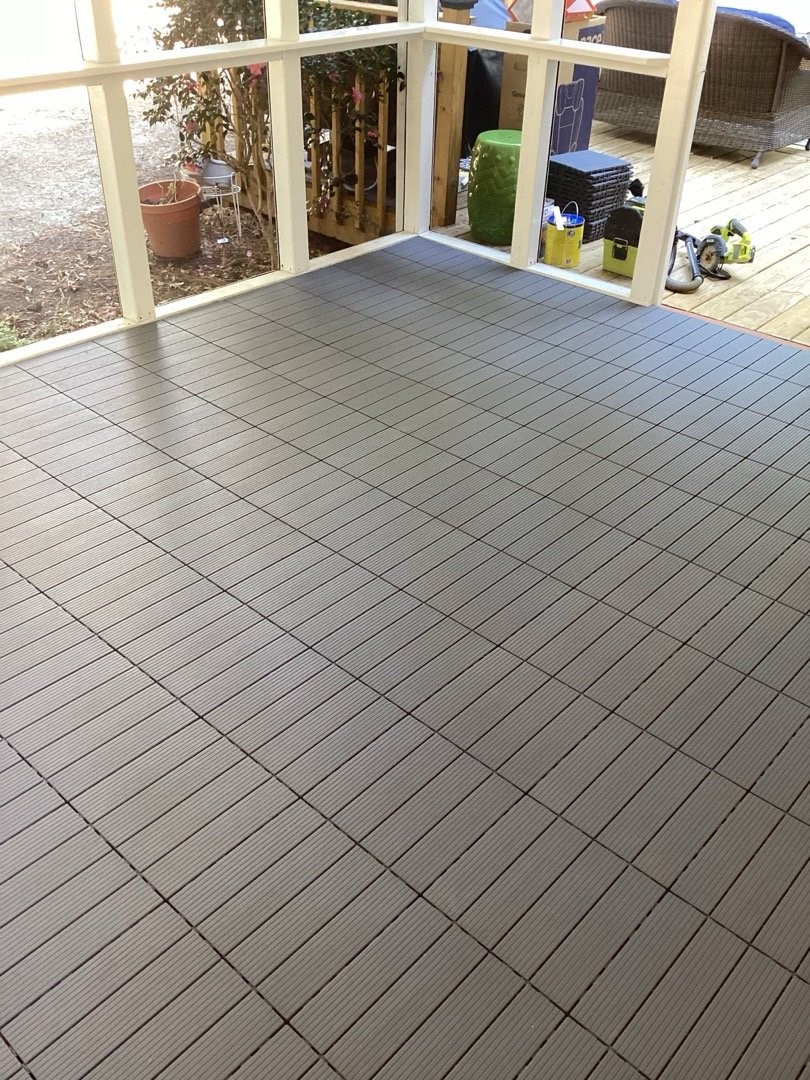
"Eric and Ethan recently replaced some rotten fascia boards on the front of our house and replaced rotten flooring on our screen porch. Very pleased with results. They arrived at scheduled appointment time and worked diligently until projects completed. We have used Ace Handyman for several projects and are always satisfied."
— Cindy W., Google review
What affects the cost of subfloor repair?
We bill by time and materials, so we don't publish a set price. What moves the total: the size of the damaged area, whether a toilet, vanity or cabinets have to come out, joist repairs, access from below, and the flooring or tile that goes back on top. Projects of $2,000 or more may qualify for 0% financing for 6 months, subject to approval.
Who will come to your home?
Ace Handyman Services is part of the Ace Hardware family, and every craftsman is a background-checked, insured W-2 employee (not a subcontractor). You'll get an on-my-way text with your craftsman's name and photo, and our one-year workmanship warranty backs the work.
Frequently asked questions
What causes a soft spot in a floor?
A soft spot usually means the subfloor has been wet. Common causes are a slow toilet or tub leak, water coming in at a door threshold, and crawl-space moisture. Older particleboard swells easily. A bounce across a wider area can point to a loose or weakened joist instead.
Can you repair just part of a subfloor?
Yes. The flooring is lifted, the soft section is cut back to solid wood, and new plywood is fastened to the joists and tied into the sound subfloor. The rest stays in place. If moisture has spread across the room, a larger section may need to be replaced.
Is a soft spot in the floor dangerous?
It's a warning sign, and it gets worse with time. A small soft area rarely causes a sudden failure, but it can grow and damage the joists. Avoid putting heavy items on it, look for the water source, and have the area opened up and checked soon.
How long does subfloor repair take?
A small section beside a toilet or door is often finished in one or two visits, depending on how much has to come out and go back. Larger areas, joist repairs and new flooring or tile take longer, and your craftsman will confirm the time after opening the floor.
Don't wait on a soft floor
Call Ace Handyman Services Clayton at (919) 296-3748 or request an estimate online to have a soft spot checked and repaired.