


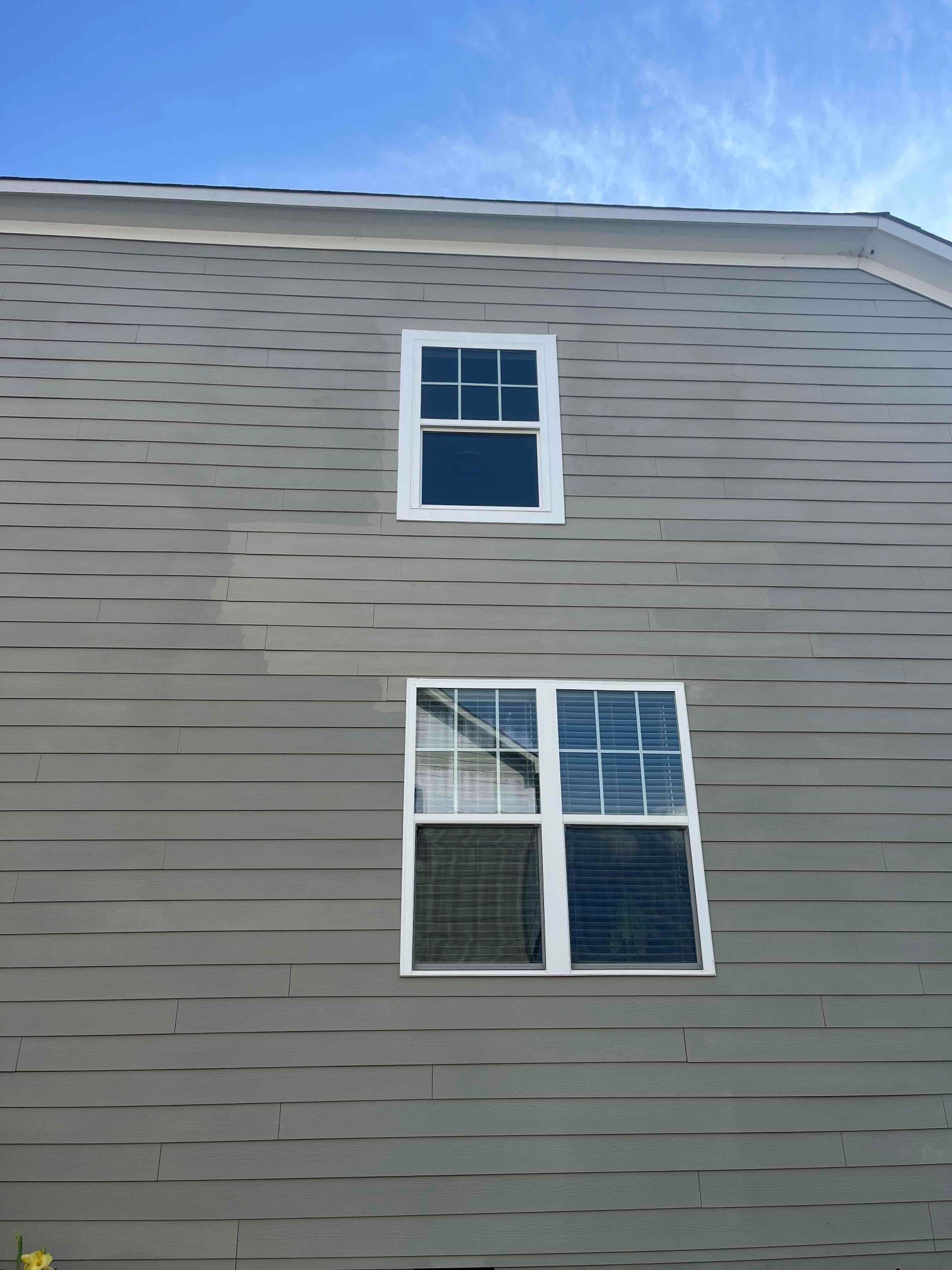
TL;DR: Siding issues often start small one loose panel, a failing caulk joint, or a soft trim corner. Fixing problems early prevents moisture intrusion, rot, pests, and higher energy bills.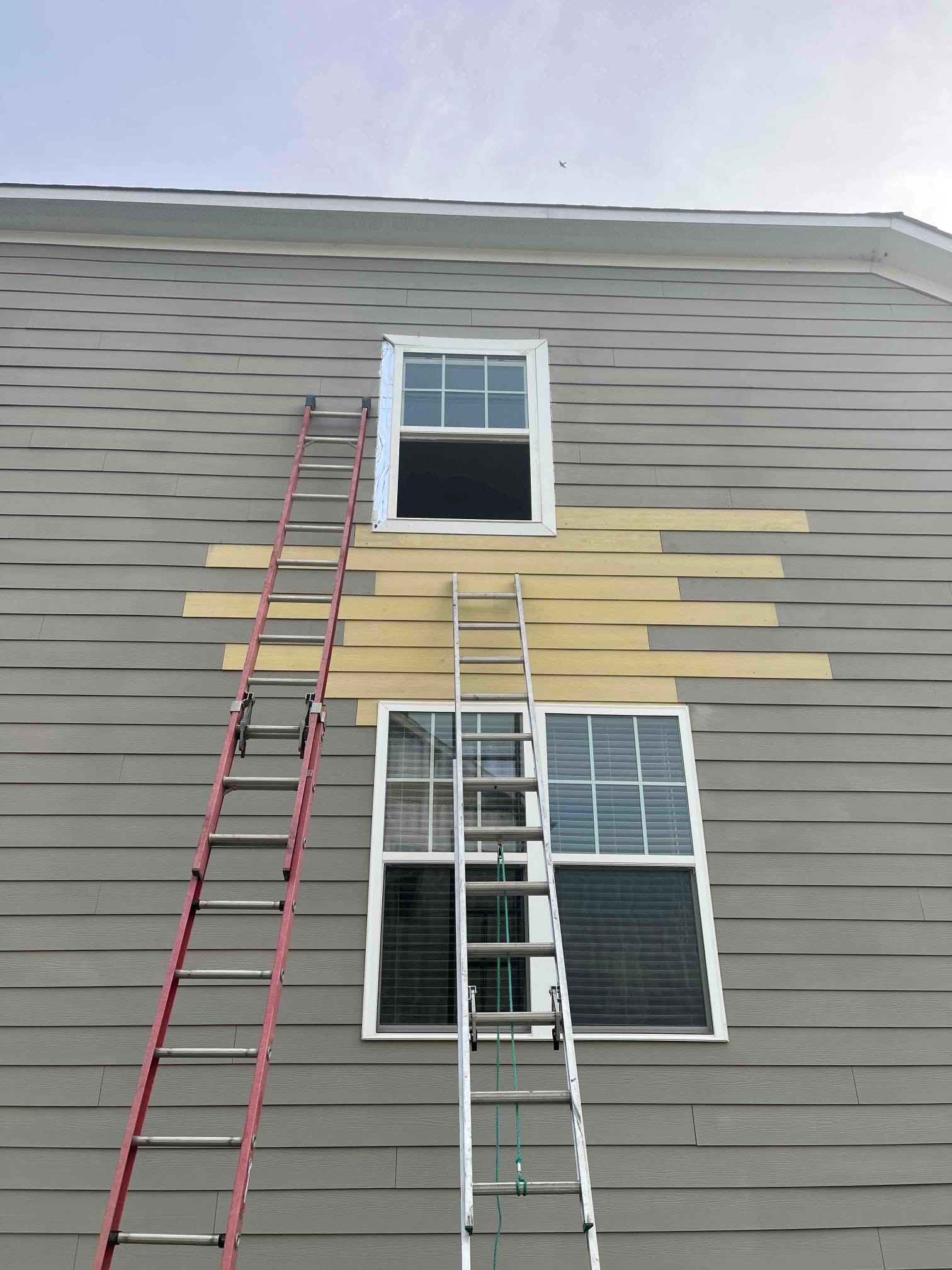
Why siding repairs matter in the Triangle
Durham and Chapel Hill get a mix of humidity, rain, and seasonal temperature swings. When siding loses its seal, your home’s exterior stops acting like a protective shell and starts acting like a funnel for moisture.
7 siding issues to look for this season
- Loose or rattling panels after wind
- Gaps at trim boards or around penetrations (pipes, vents)
- Cracked or missing caulk at seams
- Soft wood at corners (early rot)
- Paint bubbling/peeling near the bottom course
- Warped boards or exposed fasteners
- Water staining beneath a seam or window edge
- Damaged or stained siding near the gutters. If you are unsure if your gutters are the problem, we recently wrote a quick guide on how to evaluate your gutters.
What a professional repair typically includes
- Re-fastening and replacing damaged pieces
- Sealing and flashing where needed
- Minor carpentry for trim/rot repair
- Spot priming and exterior paint touchups to match
Quick FAQs
Can a small gap really cause big damage? Yes, moisture intrusion is often slow and hidden until rot is advanced.
Should I repaint or repair first? Always repair first. Paint can’t seal a failing joint.
How do I know if it’s rot? Softness when pressed, crumbling edges, or recurring paint failure are common signs.
Can siding repairs improve comfort? Yes, better sealing reduces drafts and helps HVAC efficiency.
If your siding is loose, gapped, or showing early rot, schedule a repair before spring rains. Early fixes are almost always simpler and less expensive than later replacements.