


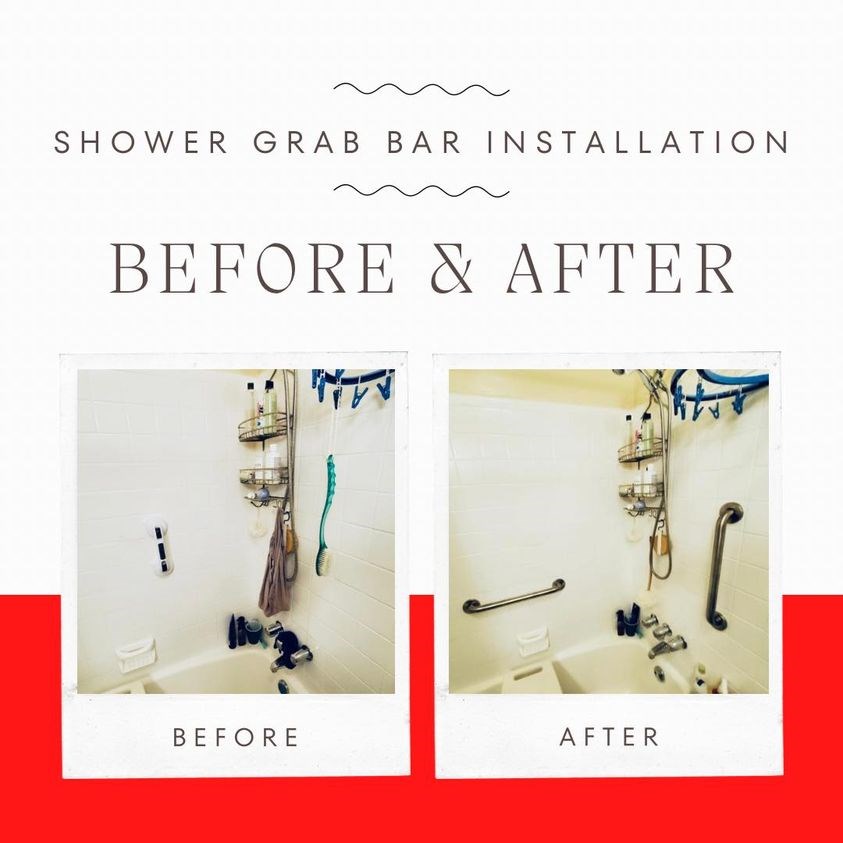
Maintaining independence at home requires a little forethought and planning, but most jobs are relatively simple. It starts with identifying and correcting everyday physical hazards before a slip or accident occurs.
Falls remain the leading cause of injury-related hospital visits among older adults. In San Mateo and Santa Clara counties, classic ranch, mid-century and craftsman homes frequently feature architectural hazards, such as raised floor thresholds, narrow entryways, steep staircases and slick bathroom tile, which can become dangerous as your balance changes.
Preparing a home for safe aging in place does not require a disruptive, whole-house remodel. Safety modifications for seniors focus on eliminating fall hazards and reducing joint strain room-by-room, with the most critical updates including installing grab bars and comfort-height toilets, replacing door knobs with ADA-compliant levers, removing raised thresholds, securing stair railings and upgrading to glare-free LED lighting in primary pathways.
High-Priority Bathroom Modifications
Bathrooms present the highest fall risk in the home due to slippery tile, pooling water and rigid porcelain surfaces.
1. Install Wall-Stud-Anchored Grab Bars
Suction-cup handles fail when subjected to sudden body weight. Permanent grab bars must fasten into structural wall studs using 2.5-inch stainless steel screws. When framing does not align with the desired location, open the drywall to insert solid 2x6 wood blocking, or use specialized hollow-wall toggle anchors rated for at least 250 pounds. Place bars horizontally 33 to 36 inches above the floor inside showers and along adjacent walls next to the toilet.
2. Replace Low Toilets with Comfort-Height Models
Standard residential toilets measure 15 inches from floor to seat rim, requiring deep knee flexion that strains aging joints. Comfort-height (ADA-compliant) toilets measure 17 to 19 inches, matching standard chair height to make sitting and standing easier. When replacing these fixtures, select models that meet California CALGreen flow standards of 1.28 gallons per flush maximum to ensure efficiency and water-pressure compliance.
3. Upgrade to Walk-In Showers and Slip-Resistant Flooring
High tub walls present a hazardous obstacle for seniors with limited leg lift. Converting a tub-and-shower combination into a low-barrier walk-in stall eliminates the primary tripping edge. Apply a certified non-slip micro-tread treatment to existing smooth porcelain or tile, or install matte-finish ceramic tiles with a dynamic coefficient of friction (DCOF) rating of 0.42 or higher to maintain traction when wet.
Walkway and Flooring Adjustments
Smooth, level transitions between living spaces reduce the risk of trips for those using walkers, canes or modified gaits.
4. Eliminate Raised Transitions and Thresholds
Raised wooden thresholds and abrupt transitions between hardwood and tile can trip seniors or jam mobility equipment. Plane down raised oak sills, or install beveled metal or rubber reducer strips that taper flush against the floor. Any elevation change exceeding one-quarter inch should feature a beveled edge no steeper than a 1:2 slope.
5. Remove or Restretch Problem Carpeting
Loose, bunched carpeting catches shoe soles and causes sudden loss of balance. Restretch wall-to-wall carpets that show waves or buckles. High-pile throw rugs should be permanently removed from living spaces. If decorative runners are necessary, anchor them securely to the subfloor with double-sided, heavy-duty acrylic adhesive tape.
6. Create Zero-Step Exterior Entries
Sunken pavers, cracked concrete walks and steps at exterior doors present major barriers. Repair spalled concrete on walkways, and install modular aluminum or pressure-treated wood threshold ramps with a maximum slope of 1:12. This creates an uninterrupted, gradual path from the driveway into the home.
Structural and Mechanical Upgrades
Minor hardware changes significantly lower daily physical strain and restore personal independence.
7. Convert to Lever-Style Door Hardware
Traditional round door knobs require wrist torque and strong grip strength, which can be painful for hands affected by arthritis. Replace interior passages, privacy locks and exterior entry locks with ADA-compliant lever-style handles. Lever latches open easily with a simple downward push using an elbow or forearm, even when hands are full.
8. Reinforce Stairway Handrails
Handrails along stairs must bear significant lateral and downward pressure during a slip. Mount continuous handrails along both sides of interior and exterior stairways. Brackets must sink at least 1.5 inches into solid wall studs rather than relying on plastic hollow-wall anchors. Ensure the railing profile measures between 1.25 and 2 inches in diameter to allow a secure grip.
9. Widen Doorways with Clear-Swing Hinges
Standard doors swing inward and narrow the doorway opening by 1.5 to 2 inches, frequently blocking wheelchairs and walkers. Installing expandable, swing-clear (offset) hinges swings the entire door slab clear of the jamb when opened 90 degrees. This provides an extra two inches of pass-through clearance without tearing down framing or rerouting electrical wiring.
10. Install Glare-Free, High-Lumen Pathway Lighting
Aging eyes need two to three times more light to clearly perceive elevation changes and floor obstacles. Replace low-wattage bulbs with 2700K to 3000K warm-white LED fixtures producing at least 800 lumens. Install rocker-style light switches at standard 42-inch heights, motion-sensing LED nightlights along baseboards in hallways and bathrooms, and high-lumen floodlights over exterior steps.
The Risks of DIY Safety Modifications
While changing a light bulb is simple, structural accessibility updates carry serious failure risks:
-
Hidden Plumbing and Wiring: Drilling into bathroom tile to mount grab bars risks puncturing pressurized copper supply lines, cast iron vent stacks or hidden electrical wiring.
-
Anchoring Failures: Fastening grab bars or handrails into drywall or soft plaster rather than solid structural framing causes fixtures to pull free under load.
-
Water Leaks and Dry Rot: Inadequate waterproofing around drilled shower anchors breaches the moisture barrier, rotting wall studs and subflooring over time.
-
Cracked Tile and Fixtures: Using improper carbide bits or excessive drill pressure shatters expensive ceramic, stone and porcelain finishes.
Professional Senior Home Upgrades on the Peninsula
When adapting a home for aging in place, structural stability and proper hardware installation are essential. Ace Handyman Services Hassett delivers trusted home modification services throughout San Mateo County and Santa Clara County, including Redwood City, San Carlos, Menlo Park and Palo Alto.
Our background-checked, multi-skilled Craftsmen understand local building requirements, proper weight-bearing structural anchors and ADA guidelines. Every modification we complete is backed by our one-year guarantee on workmanship.
Protect your family's safety and independence. Call 650-529-4052 or get an estimate online today to discuss safety upgrades for your home with a professional Craftsman.