


A slow roof leak, an ice dam, or a burst pipe can saturate a wall within hours; the longer it stays wet, the more structural integrity it loses. Before any drywall repair work begins, the moisture source must be fully resolved. Patching over active water intrusion only traps the problem behind a fresh surface. Once the source is confirmed dry, the repair path depends on how far the damage has gone. At Ace Handyman Services, our team provides water damage repair solutions. Here’s more information on the drywall repair process after water damage:
Assess the Damage
Not all water-damaged panels need drywall repair or replacement. A panel that absorbed moisture but dried out before losing structural integrity can often be repaired with sealing, compound, and texture matching. Press the wall surface firmly with your hand, and if it feels soft, spongy, or crumbles under pressure, the board has lost its core strength and needs full replacement. If the surface is firm and the damage is limited to staining or minor bubbling, a repair is possible.
Check for mold growth behind the face paper. Discoloration that appears greenish, black, or fuzzy indicates mold has established itself in the panel. Mold growth across multiple panels requires replacement with moisture-resistant boards; this involves patching and does not eliminate the biological material embedded in the gypsum core.
Seal, Patch, and Finish
For panels that pass the structural test, first make sure that the wall is completely dry and inspect the surface for bubbling, peeling, or delamination. Apply a stain-blocking primer to prevent residual water stains from bleeding through the finish coats of paint; a shellac-based primer is one effective option. Standard drywall primer is generally not designed to block persistent water stains. If the face paper has bubbled or delaminated, professionals will cut away loose material with a utility knife and seal exposed or damaged paper with an appropriate problem-surface sealer before applying joint compound. They feather the edges smooth, then skim the area with joint compound in thin coats, allowing each coat to dry fully as directed before sanding as needed. Experts patch the existing wall texture, apply a suitable primer to the repaired surface, and finish with paint.
Replace the Panel If Needed
A panel saturated by a prolonged roof leak or basement moisture failure may require full replacement. Saturated drywall loses its bond between the paper face and the gypsum core, and no amount of compound work restores that structural connection. Professionals cut the damaged section back to the nearest stud on each side using a drywall saw, and add backer boards between studs if needed to support the new panel edges. They then install new drywall that is cut to fit the opening.
In any area exposed to recurring humidity, use moisture-resistant drywall. Moisture-resistant boards use a treated face paper; they also use a denser gypsum core that resists humidity better than standard panels. Professionals can tape the joints with fiberglass mesh tape, apply three coats of compound, and sand it to provide a paint-ready finish. For glossy paint or walls where light hits at an angle, applying a thin, smooth layer of joint compound over the entire wall helps hide seams and create an even finish.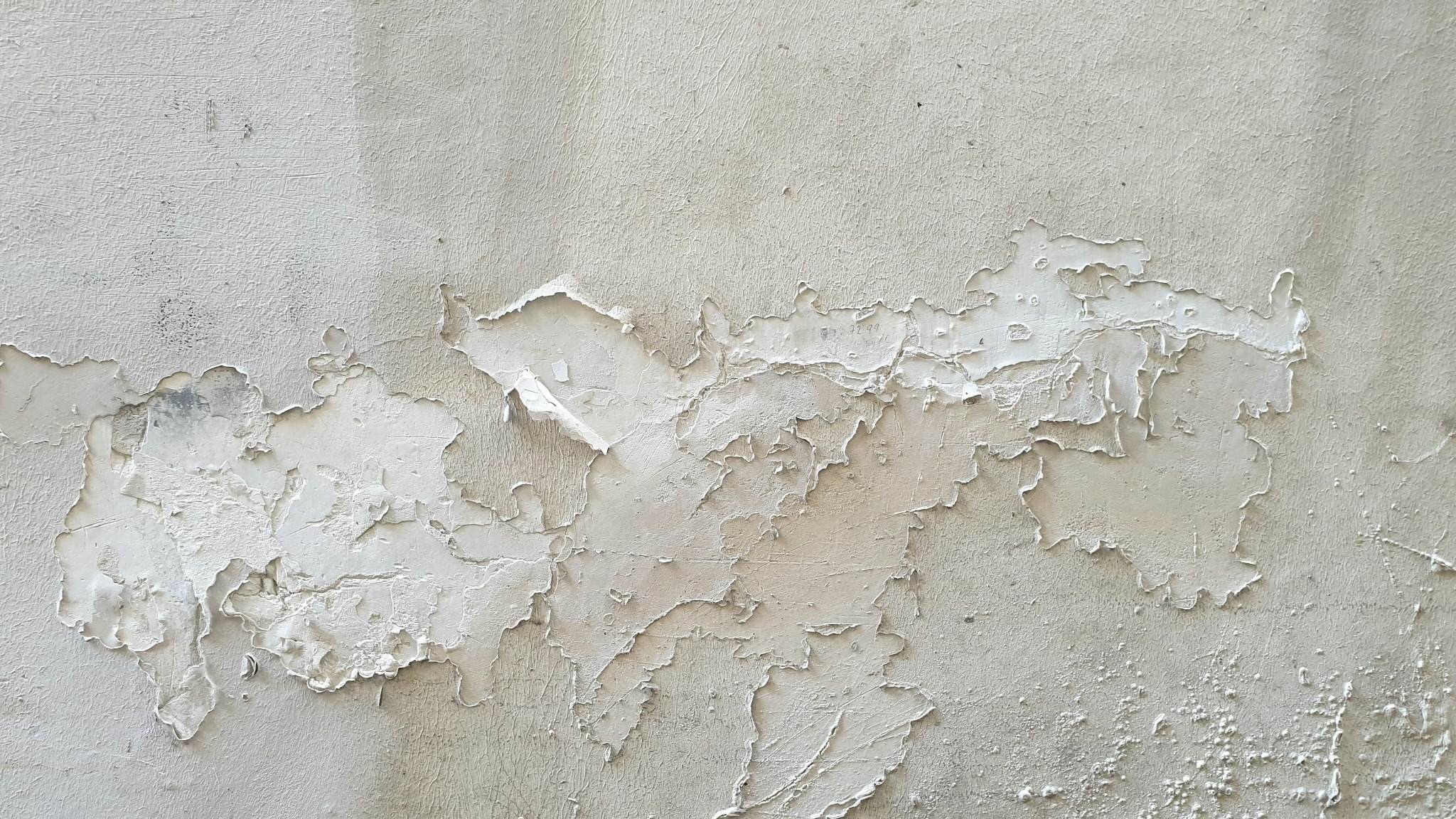
Get Drywall Repair Services Today
Water-damaged drywall involves an assessment of the saturation and whether the panel can be patched or must be replaced. Professionals address the moisture source and match the finish to the surrounding wall. At Ace Handyman Services, our team provides drywall repair and installation services. Contact our team today to schedule an estimate.
Please Note: Every drywall repair project is unique, and the materials, techniques, and repair process may vary. Contact us to discuss your specific needs and determine the best approach for your project.