


Summers in the Tri-Cities are no joke. As a semi-arid desert region in the Columbia Basin, Kennewick, Pasco, and Richland see summers that are short, hot, dry, and mostly clear, with temperatures that typically peak around 93°F and occasionally push past 102°F. In a hot year, the area can rack up weeks of triple-digit days, and during the late-June 2021 heat dome, local temperatures reached an extreme 115°F. With over three hundred days of sun each year, that's a lot of relentless heat and solar exposure beating down on your home.
When most Tri-Cities homeowners think about staying cool, they think about their air conditioner, windows, or attic insulation. The front and back entry doors rarely make the list. Yet in our climate, a single exterior door facing the afternoon sun can be responsible for a surprising amount of unwanted heat gain.
Here's why: an entry door is a large opening in your home's thermal envelope. Around its edges are gaps where air can move freely. The door slab itself can conduct heat. And the threshold at the bottom is a common spot for air leaks. On a 100°F July afternoon in Kennewick, all of these add up to scorching outdoor air pushing into your cooled interior, an AC unit that runs nearly nonstop, and a power bill that climbs all summer long.
How Entry Doors Affect Your Indoor Temperature
There are three main ways your entry door influences how cool your Tri-Cities home stays.
- Air Leakage (Infiltration)
The biggest culprit is air leakage. Over time, weatherstripping wears out, door sweeps flatten, and frames shift slightly out of alignment. The Tri-Cities' extreme temperature swings, from sub-freezing winters to triple-digit summers, are especially hard on seals and accelerate this wear. Even a gap as thin as a pencil around a door can let in as much air as a small open window over the course of a day. In summer, that means a steady stream of hot, bone-dry desert air entering your home.
- Heat Conduction Through the Door Itself
The material your door is made from matters. Solid wood and hollow doors conduct heat differently than insulated steel or fiberglass doors. A non-insulated door sitting in direct Columbia Basin sun can become hot to the touch and radiate that heat indoors, warming the surrounding space. South- and west-facing doors take the worst of our intense afternoon sun.
- Solar Heat Gain Through Glass
Many entry doors include decorative glass panels, sidelights, or transom windows. With more than 300 sunny days a year locally, this is a big deal. Without low-E (low-emissivity) coatings, that glass allows radiant heat from the sun to pass straight through, heating your entryway like a small greenhouse.
Signs Your Entry Door Is Letting Heat In
You may have a heat-leaking entry door if you notice any of the following:
- The area near your front or back door feels warmer than other rooms.
- You can see daylight around the edges of the closed door.
- You feel a draft when standing near the door, even with it shut.
- The weatherstripping looks cracked, flattened, or dried out, common in our arid climate.
- The door is difficult to close fully or doesn't sit flush in the frame.
- Your cooling bills have crept up without an obvious cause.
A simple test: on a hot Tri-Cities afternoon, run your hand slowly around the perimeter of the closed door. If you feel warm air or a temperature change, you have a leak.
How to Make Your Entry Door More Energy Efficient
The good news is that improving your entry door's performance is usually affordable and often doesn't require a full replacement. Here are the most effective steps, roughly in order of cost.
Weatherstripping is the flexible material lining the door frame that seals the gap when the door is closed. It's inexpensive and one of the highest-impact fixes. Our dry climate tends to crack and dry out weatherstripping faster, so worn material should be replaced with a fresh, properly sized seal.
Install or Replace the Door Sweep
The door sweep is the seal along the bottom of the door that blocks the gap at the threshold. A flattened or missing sweep is a major source of leaks. A new sweep takes minutes to install and makes an immediate difference.
Adjust the Threshold
Many thresholds are adjustable. Raising the threshold slightly can close the gap under the door and eliminate drafts without restricting door operation.
Seal and Caulk Around the Frame
Gaps between the door frame and the wall, especially where caulk has cracked and pulled away in the heat, allow air to bypass the door entirely. Re-caulking the exterior trim seals these hidden leaks.
Consider a Full Door Replacement
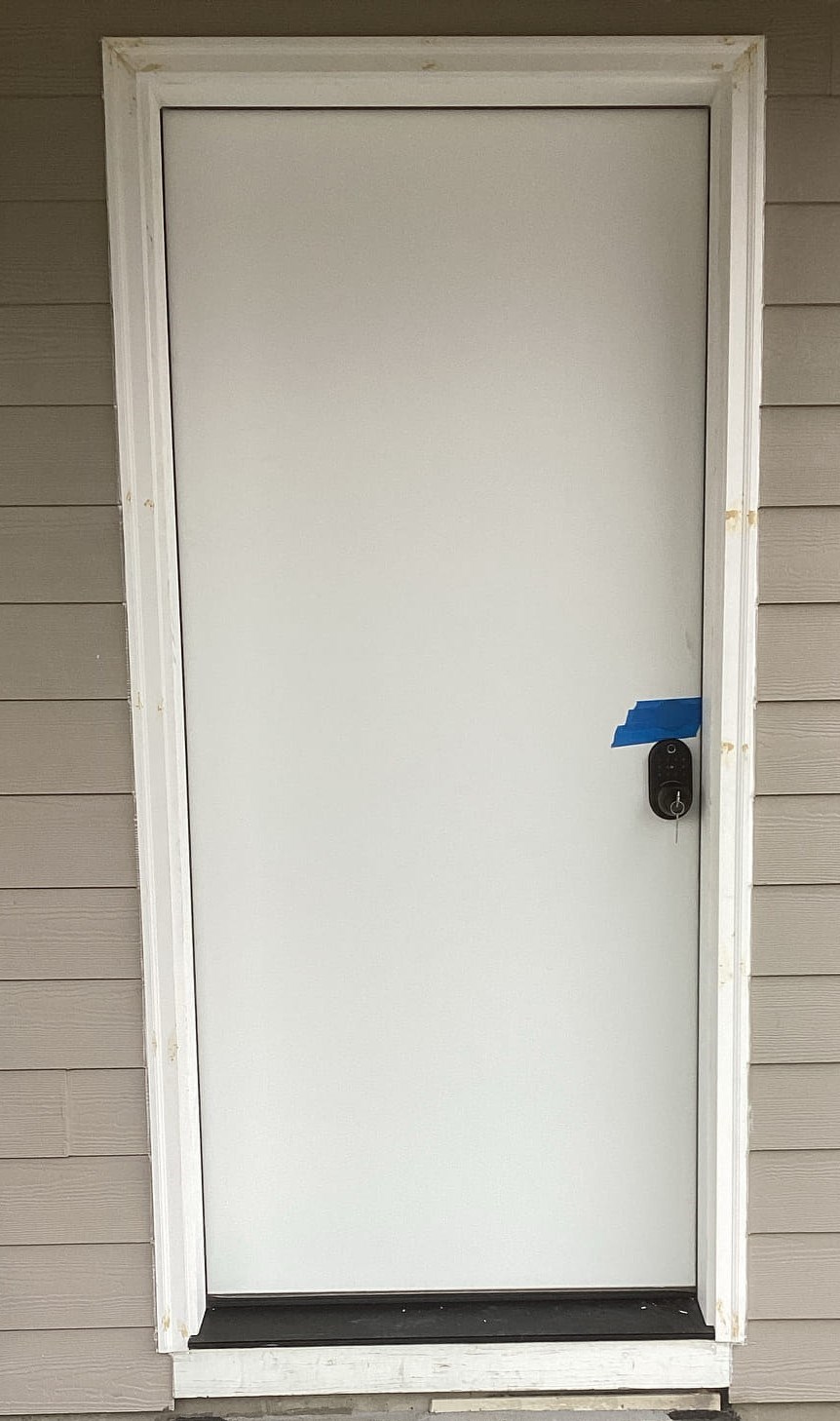
If your door is old, warped, poorly insulated, or beyond simple repairs, replacing it with an insulated steel or fiberglass model with a high energy rating can deliver the biggest long-term improvement in comfort and efficiency, and stand up better to Tri-Cities temperature extremes.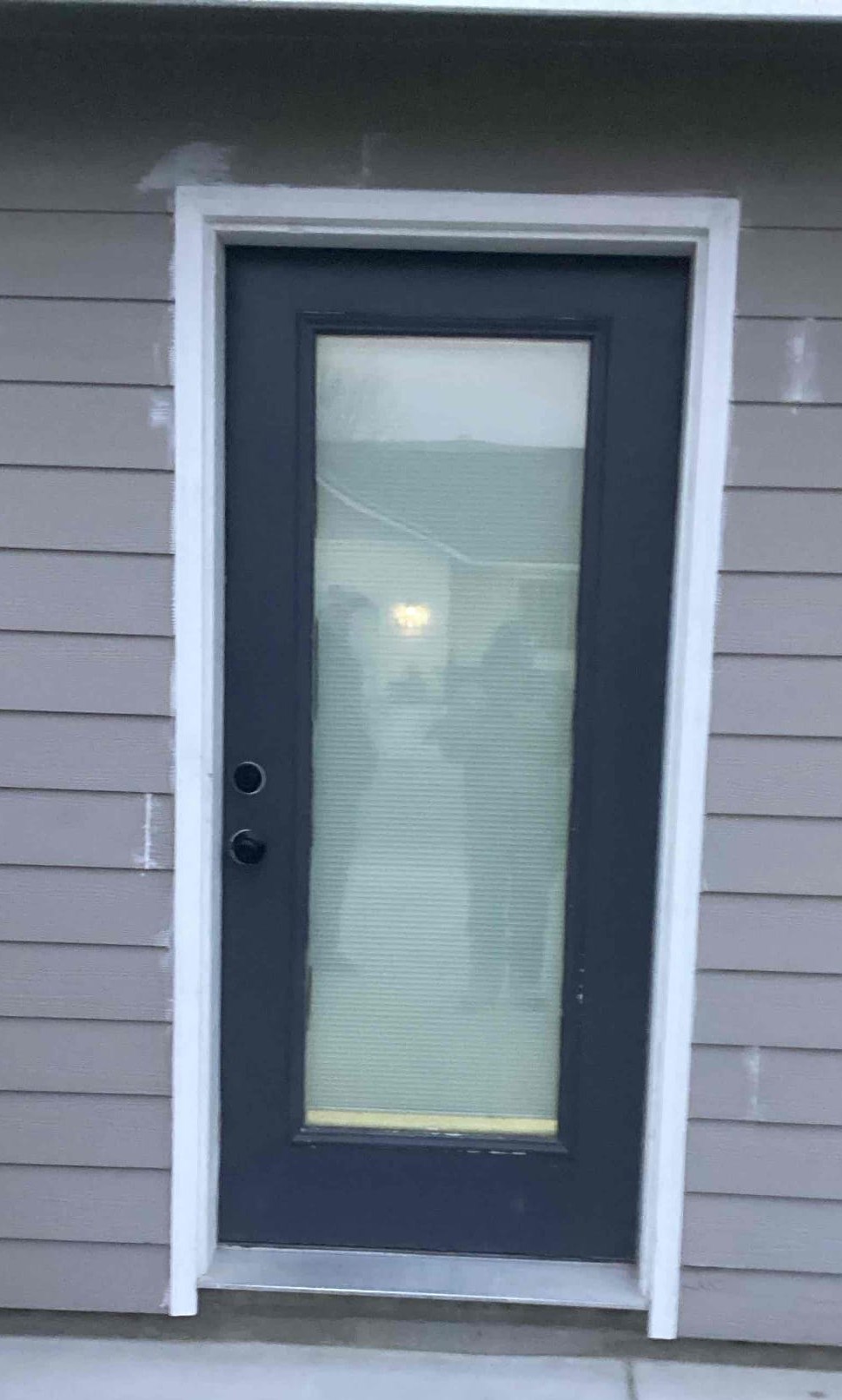
Frequently Asked Questions
Can an entry door really make my Tri-Cities home hotter in summer? Yes. With local summer highs regularly in the 90s and 100s, a poorly sealed or non-insulated entry door allows scorching desert air to leak in and cooled air to escape, which raises indoor temperatures near the entryway and makes your air conditioner work harder.
What is the most cost-effective way to stop heat from coming through my door? Replacing worn weatherstripping and installing a new door sweep are the cheapest, fastest fixes and address the most common source of summer heat gain: air leakage around the door.
How do I know if my entry door needs to be replaced or just repaired? If the door seals properly and only the weatherstripping or sweep is worn, a repair is usually enough. If the door is warped, sun-damaged, drafty even after sealing, or not insulated, replacement is the better long-term choice for our climate.
Are fiberglass or steel doors better for keeping heat out in the Tri-Cities? Both insulated fiberglass and insulated steel doors significantly outperform hollow or solid wood doors for blocking heat transfer. Fiberglass resists warping in extreme heat and is low-maintenance, while insulated steel is durable and cost-effective.
Does the glass in my door affect how cool my home stays? Yes. With over 300 sunny days a year in the Tri-Cities, glass without a low-E coating lets in significant radiant solar heat. Adding low-E film or upgrading to energy-efficient glass reduces this heat gain.
What should I look for when choosing a contractor for door repairs? Before hiring a contractor for entry door repairs or replacement, verify a few key criteria to protect your home and your investment. Make sure they hold a valid Washington State contractor license (you can confirm this through the Washington State Department of Labor & Industries). Confirm they carry liability insurance and bonding, and ask whether their workers are covered by workers' compensation. Look for established local experience in the Tri-Cities and read recent reviews on Google and the Better Business Bureau. Ask for a clear, written estimate. Finally, choose a contractor who communicates clearly, answers your questions, and offers an upfront assessment rather than pressuring you into unnecessary work.
Can Ace Handyman Services of Tri-Cities help with entry door repairs and maintenance? Yes! Ace Handyman Services of Tri-Cities can help with a wide range of door repairs to keep your home comfortable and energy efficient. This includes replacing worn weatherstripping and door sweeps, adjusting and aligning doors that won't close flush, sealing and re-caulking around door frames, repairing or replacing thresholds, fixing sticking or warped doors, and installing energy-efficient entry door replacements. Serving Kennewick, Pasco, Richland, and West Richland, their team can pinpoint where heat is getting in and recommend the most cost-effective fix for your home.
Keep Your Tri-Cities Home Cool This Summer
Your entry doors play a bigger role in your summer comfort and energy bills than most Kennewick, Pasco, and Richland homeowners realize, especially when temperatures hit triple digits. Sealing leaks, refreshing dried-out weatherstripping, and addressing solar heat gain are straightforward improvements that pay off quickly in a cooler, more comfortable home.
If you'd like a local professional to inspect your entry doors, seal air leaks, or install an energy-efficient replacement, [our handyman team can help]. We proudly serve homeowners throughout the Tri-Cities, including Kennewick, Pasco, Richland, and West Richland. We'll identify exactly where heat is getting in and recommend the most cost-effective fix for your home. Contact us today to schedule a visit before the next heat wave.
Ace Handyman Services of Tri-Cities, WA provides professional handyman and door services throughout the Tri-Cities, WA region, including Kennewick, Pasco, Richland, and West Richland. Call 509-676-4986 or visit our website to request an estimate.