


Why Does My Deck Feel Soft? 5 Signs Your Deck Needs Repair
There's nothing like spending a summer evening on your deck. Whether you're grilling with family, relaxing with a cup of coffee, or hosting friends, your deck should feel solid and safe under your feet.
But if you've noticed a board that feels soft, bounces when you step on it, or seems less stable than it used to, don't ignore it.
A soft deck is often an early warning sign that something needs attention. Catching problems now can help prevent larger, more expensive repairs later.
Here's what to look for—and when it's time to call a professional.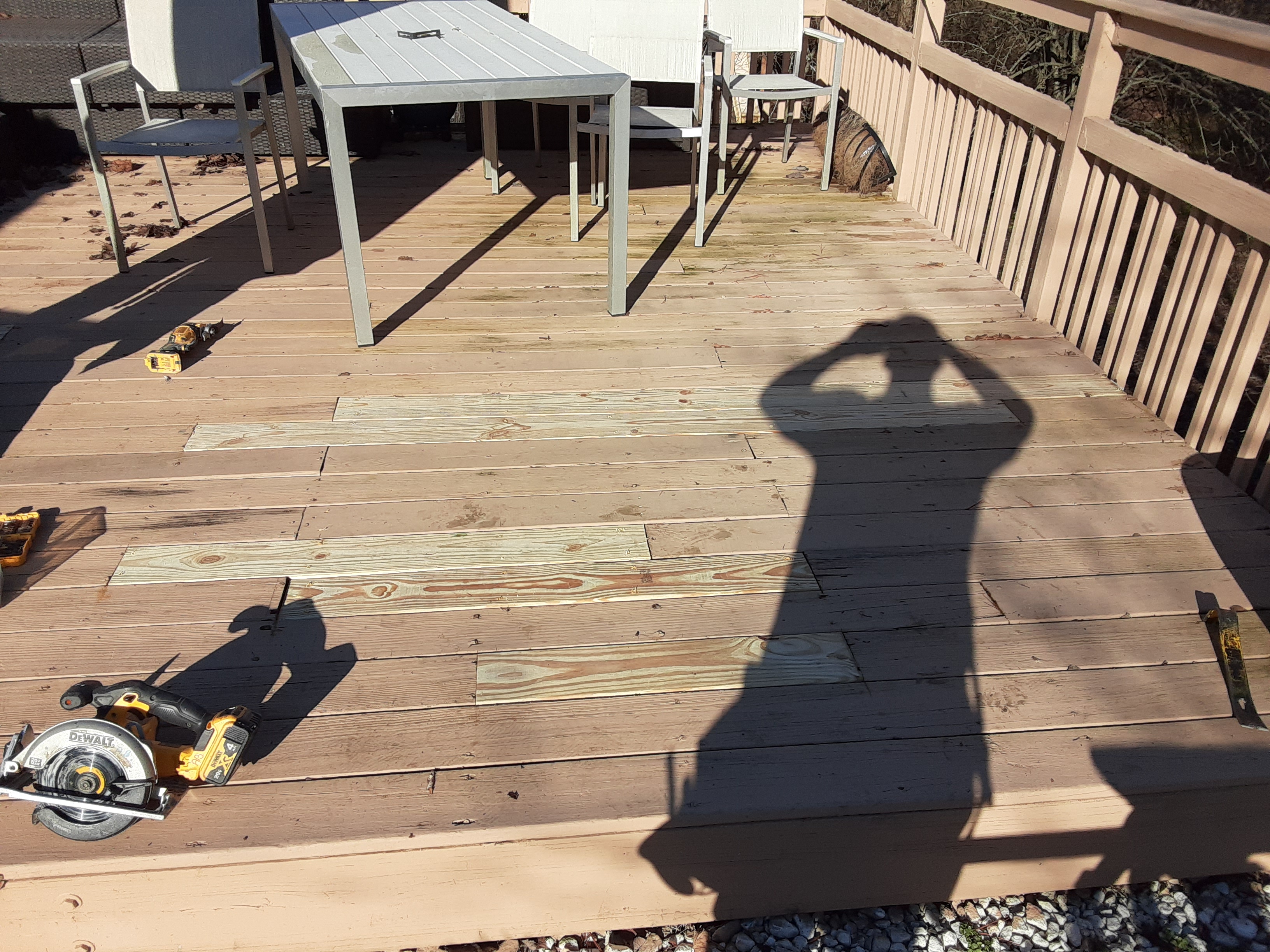
Quick Signs Your Deck May Need Repair
If you notice any of these, your deck deserves a closer inspection:
- Soft or spongy deck boards
- Loose or wobbly railings
- Cracked or split boards
- Rusted or loose fasteners
- Rot around posts or stairs
The good news? Many deck repairs can be completed without replacing the entire deck.
1. Soft or Spongy Deck Boards
One of the most common signs of deck damage is a board that feels soft or "gives" when you walk across it.
What Causes It?
Wood naturally absorbs moisture. Over time, repeated exposure to rain, sprinklers, damp leaves, and morning dew can cause boards to begin rotting from the inside out.
The board may still look perfectly normal from above while the wood underneath is deteriorating.
What to Do
If only a few boards are affected, they can often be replaced without rebuilding the entire deck.
Avoid walking on noticeably soft boards until they've been inspected.
2. Loose or Wobbly Railings
Deck railings should feel solid every time you lean on them.
If they wobble, move, or shift, it's time for a repair.
Loose railings can be caused by:
- Aging fasteners
- Rotting wood
- Loose posts
- Normal wear and tear
Because railings are an important safety feature, don't wait to have them fixed.
3. Cracked, Split, or Warped Boards
California's sun can be tough on wood.
Years of heat, UV exposure, and changing moisture levels can cause deck boards to crack, split, or warp.
Small surface cracks are common as wood ages.
Large cracks, splintering, or boards that curl upward can become tripping hazards and may allow water to penetrate deeper into the wood.
4. Rusted or Loose Hardware
Your deck relies on more than wood.
The screws, bolts, joist hangers, and connectors underneath help keep the structure secure.
Watch for:
- Rust stains
- Loose screws
- Nails popping up
- Missing fasteners
- Corroded metal connectors
Replacing worn hardware early helps prevent bigger structural issues later.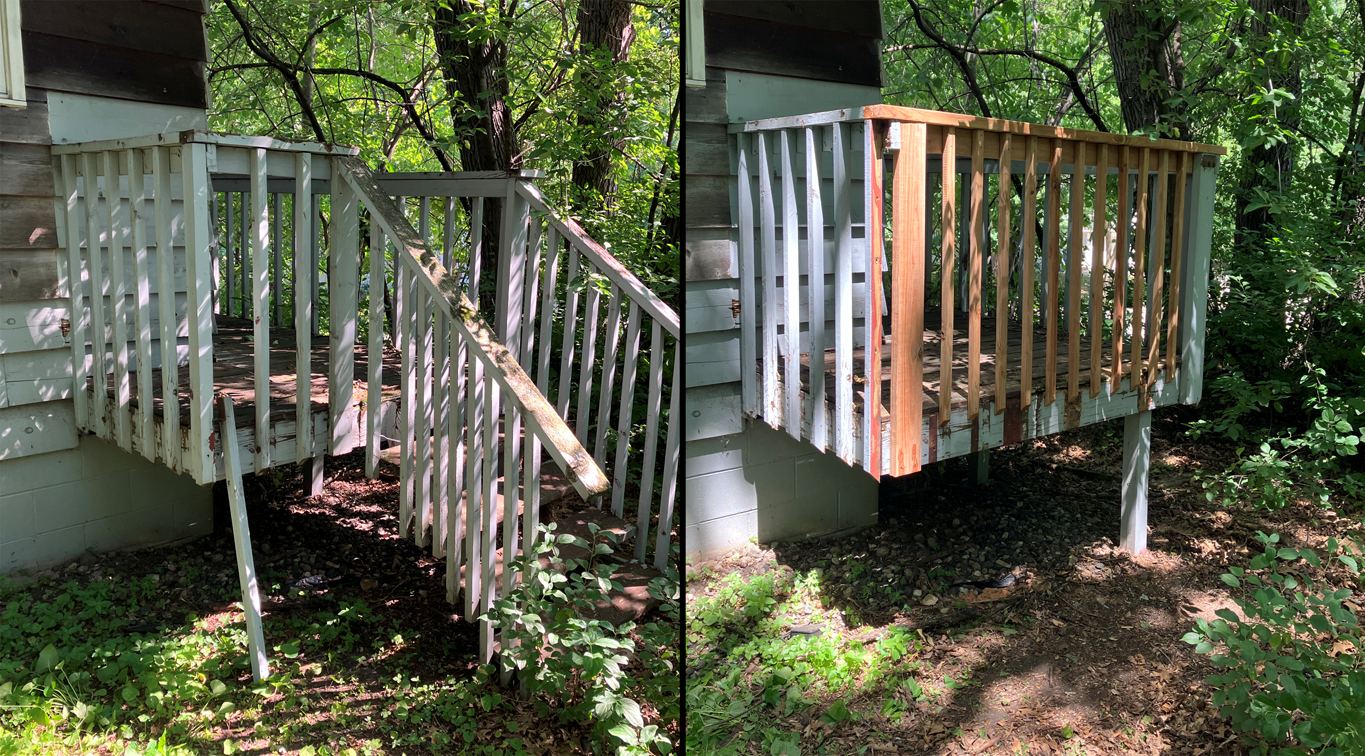
5. Rot Around Posts or Stairs
The areas closest to the ground often stay damp the longest.
Pay special attention to:
- Support posts
- Stair stringers
- Bottom stair treads
- Areas where leaves collect
- Places where sprinklers regularly hit the wood
These are often the first places wood rot develops.
How to Check Your Deck Safely
A simple inspection once or twice a year (like we suggest for your wood patio furniture) can help you catch problems before they become expensive.
Walk slowly across the deck and look for:
✔ Boards that flex more than others
✔ Loose railings
✔ Raised nails or screws
✔ Splinters
✔ Cracks
✔ Signs of rot or insect damage
If you're comfortable doing so, gently press a screwdriver into suspicious areas. Healthy wood should feel firm. If it sinks in easily, rot may be present.
Can a Deck Be Repaired Instead of Replaced?
In many cases, yes.
If the deck's framing is still structurally sound, repairs may only involve replacing damaged boards, tightening railings, installing new hardware, or repairing stairs.
A professional inspection can help determine whether repair or replacement is the better option.
How to Help Your Deck Last Longer
Regular maintenance goes a long way toward extending the life of your deck.
A few simple habits can make a big difference:
- Sweep away leaves and debris regularly.
- Keep sprinklers from soaking the deck.
- Clean the surface annually.
- Reseal or stain wood decks as recommended.
- Address loose boards and railings before they become larger problems.
Routine maintenance is almost always less expensive than major repairs.
Frequently Asked Questions
Why does my deck feel soft?
The most common cause is moisture damage that has led to wood rot. Sometimes only one or two boards are affected, while the rest of the deck remains in good condition.
Can I replace just one deck board?
Often, yes. If the framing underneath is still sound, replacing individual boards is a common repair.
Is a soft deck dangerous?
It can be. Soft boards may not safely support weight and can indicate hidden structural damage underneath.
How often should I inspect my deck?
Inspect your deck at least once each year and after major winter storms.
How long does a wood deck last?
With proper maintenance, many wood decks last 15–30 years, depending on the materials, climate, and level of care.
Need Help With Deck Repairs?
If your deck feels soft, your railings are loose, or you've noticed signs of wear, don't wait until the damage gets worse.
The experienced team at Ace Handyman Services by Hassett can inspect your deck, make repairs, and help you enjoy your outdoor space safely all season long.
Whether it's replacing damaged boards, repairing stairs, tightening railings, or tackling other exterior maintenance projects, we're here to help.