


Baseboard takes more abuse than almost anything else in a house: vacuums, chair legs, dogs, moving day, and every mop bucket that ever tipped. Raleigh's humidity adds to it, opening seams in winter and closing them in summer. Most of the damage looks worse than it is. A good repair is usually invisible once it's painted, and our trim carpentry crew in Raleigh can often fix it without replacing a full room of baseboard. Here's how to read what you're looking at.
Can baseboards be repaired?
Yes, in most cases. Dents, nicks, nail holes and small gouges are filled, sanded and repainted. Loose runs are fastened back to the wall framing and the top edge is caulked. A section that's split, swollen or rotted is cut out and a matching piece is spliced in, with the joint blended so it doesn't telegraph through the paint.
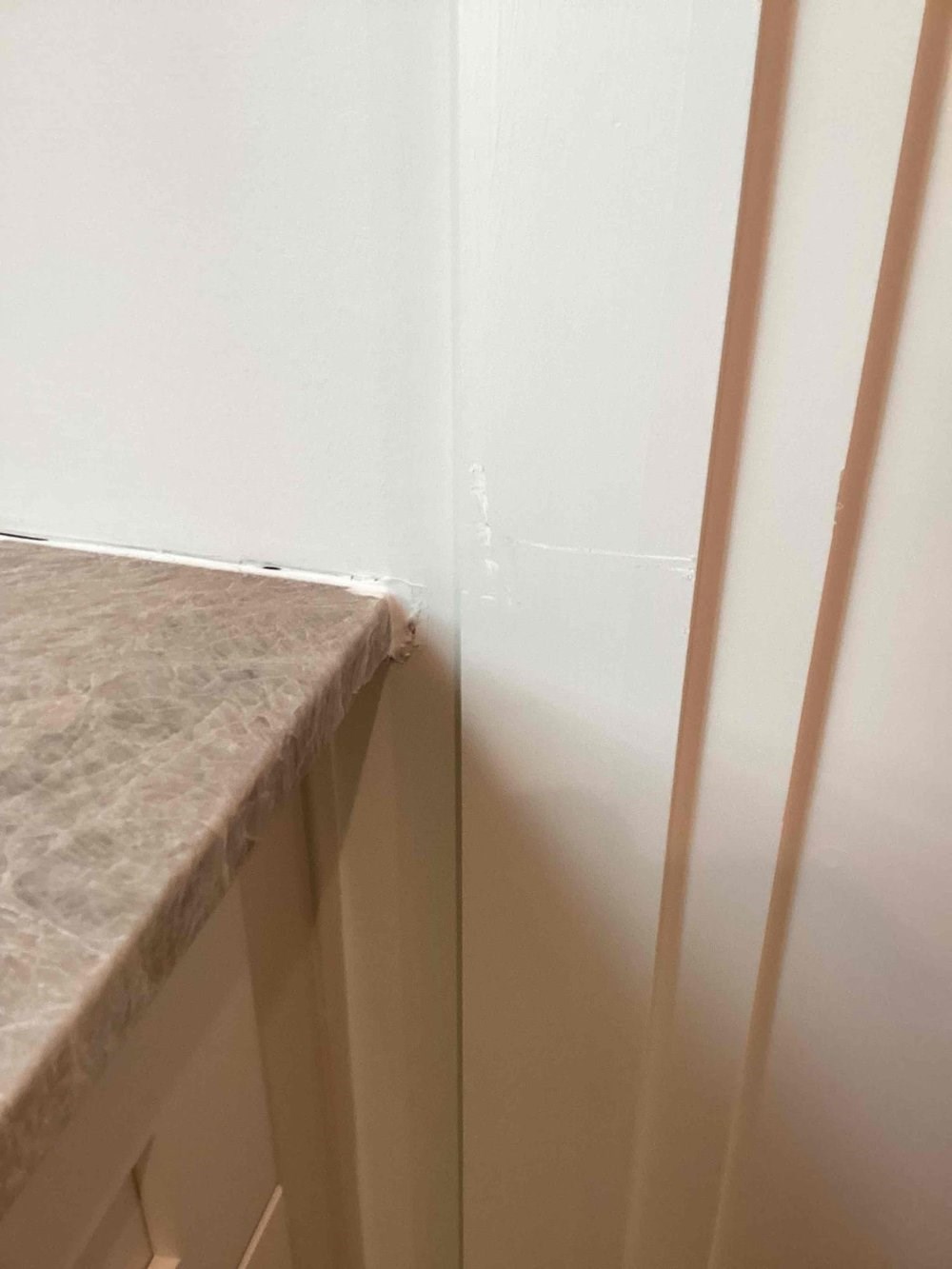
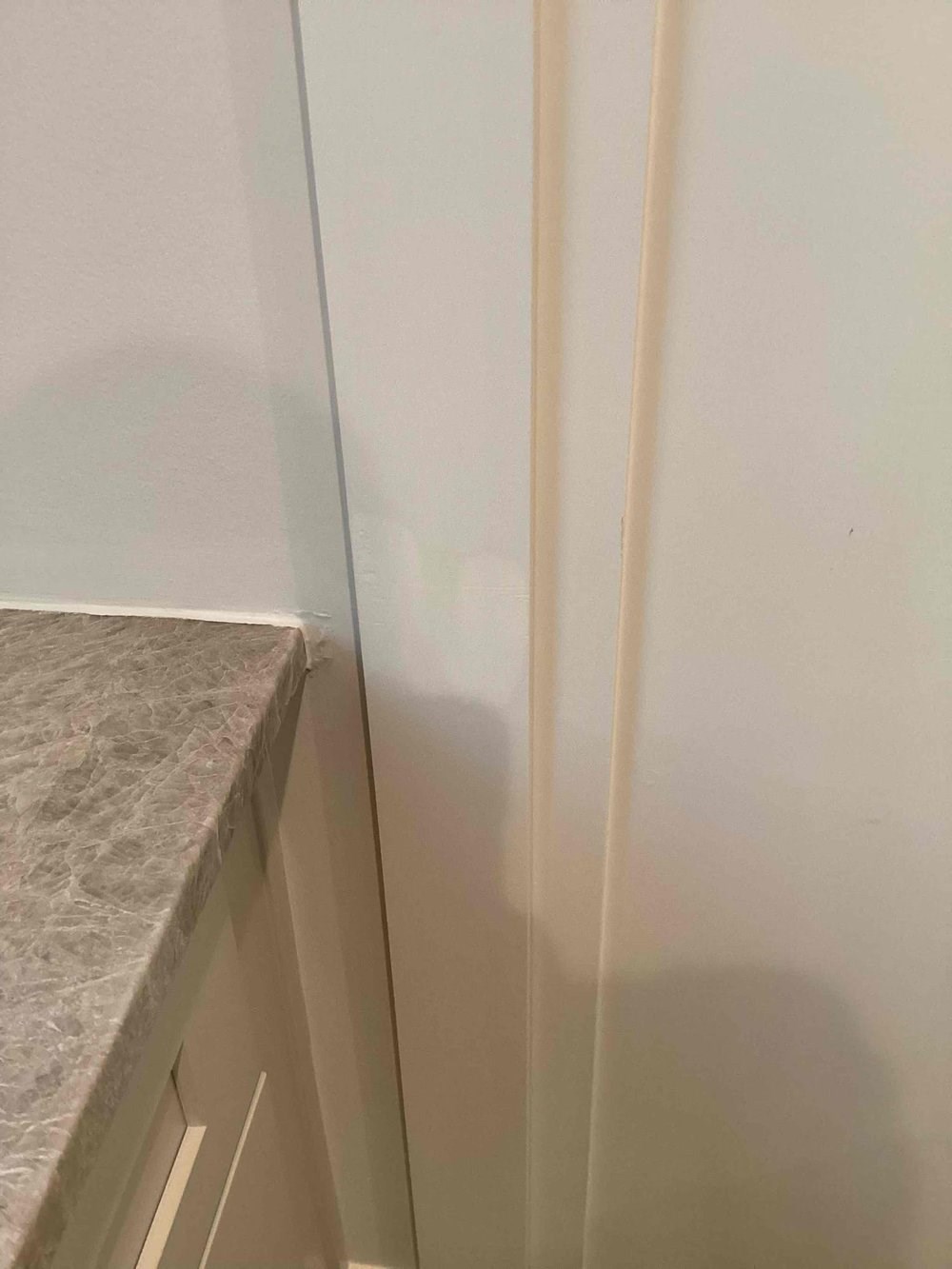
Replacing a whole wall usually only makes sense when the profile can't be matched or the damage runs the full length.
Why are there gaps between my baseboard and the wall or floor?
- Seasonal movement. Wood moves with humidity, so miters and seams open up in the dry months and close in humid ones.
- Wavy walls. Drywall isn't perfectly flat, so a straight board can leave a gap at the top edge. A bead of paintable caulk usually handles this.
- Settling. Newer Wake County homes often show gaps in their first few years as the framing dries and the house settles.
- New flooring. A floor that's thinner or thicker than the old one leaves a gap at the bottom. Quarter round or shoe molding covers it cleanly.
If a gap is wide at one end and getting wider, or the floor beneath it feels soft, have it looked at before covering it up.
How do you fix damaged baseboard corners?
Outside corners take the hits. If the miter has only opened up, it can be glued, pinned, filled and repainted. If the corner is crushed or splintered, the damaged end is cut back and a new mitered piece goes in. Inside corners that have opened are usually caulked, unless the joint has pulled away from the wall and needs fastening first.
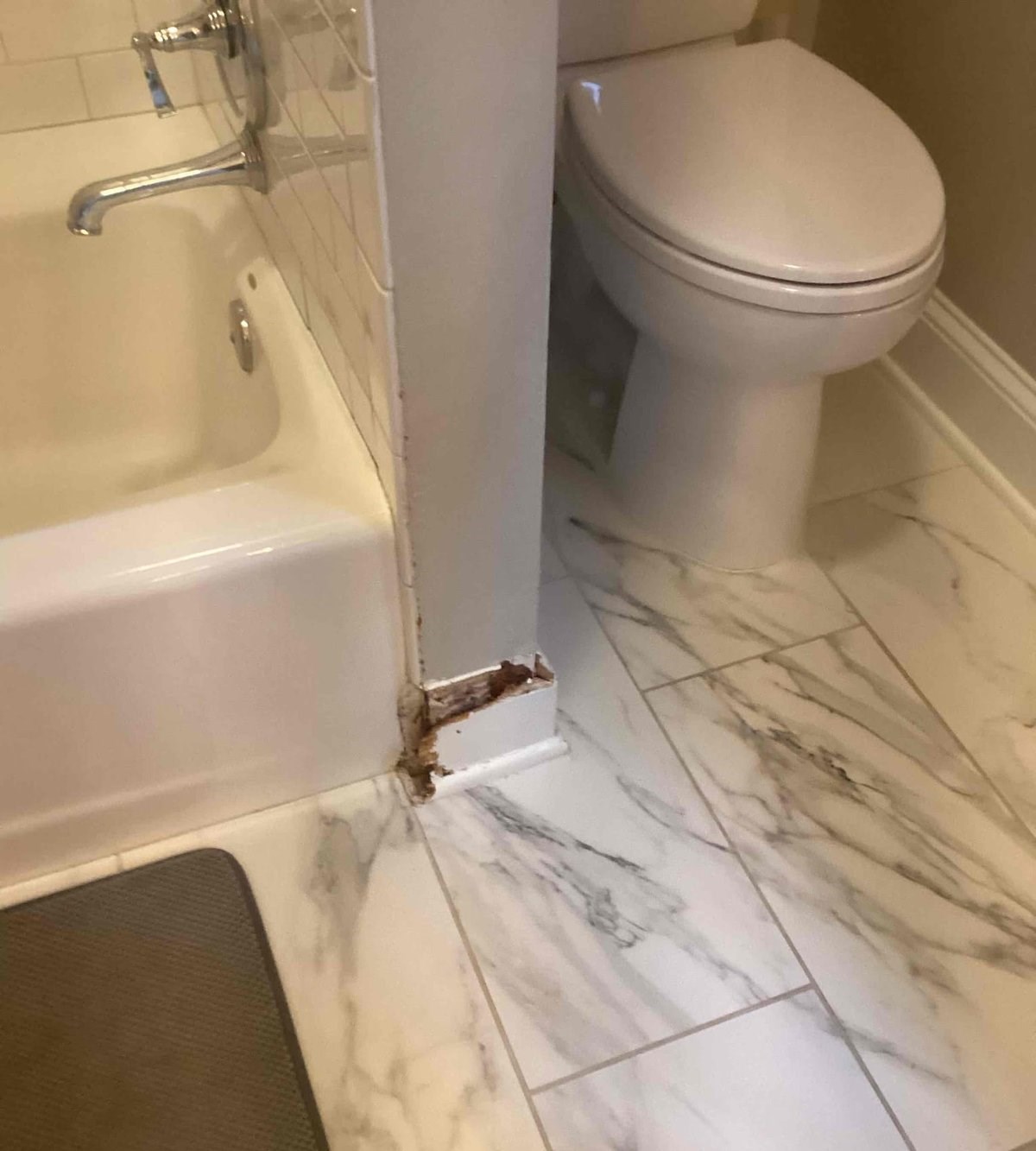
How can I fix rotted or swollen baseboards?
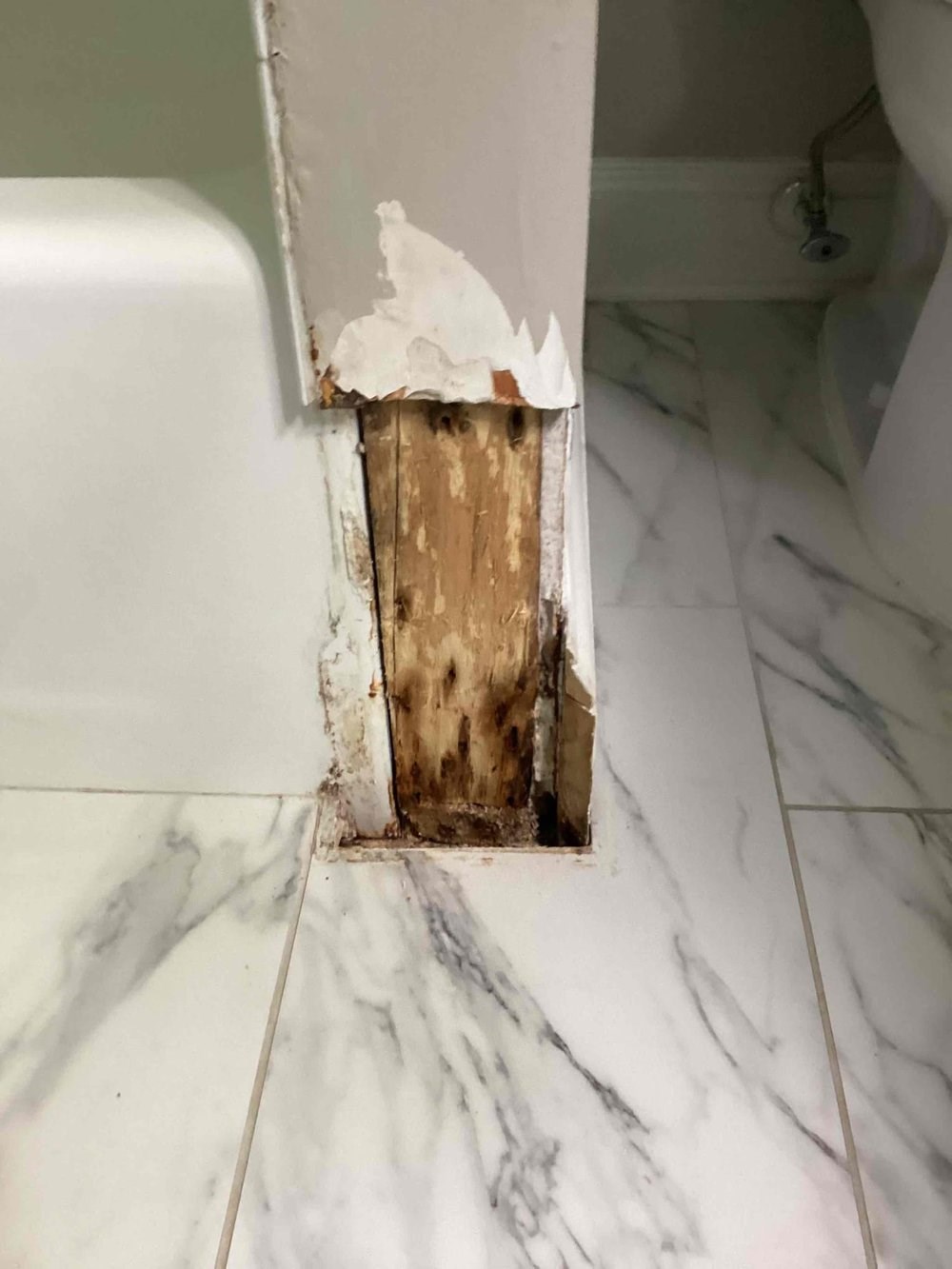
Swollen, soft or peeling baseboard usually means water, and the first job is finding where it's coming from. Near a tub or shower, look at the caulk and the floor. Behind a toilet, a failing wax seal is a common cause, and that's a job for a plumber before the trim goes back. By an exterior door, look at the threshold. Once the source is fixed, the damaged section is cut out, the wall behind it is checked and dried, and new baseboard is fitted and painted. If the drywall behind it is wet, it gets repaired first; our guide to drywall repair after water damage explains how.
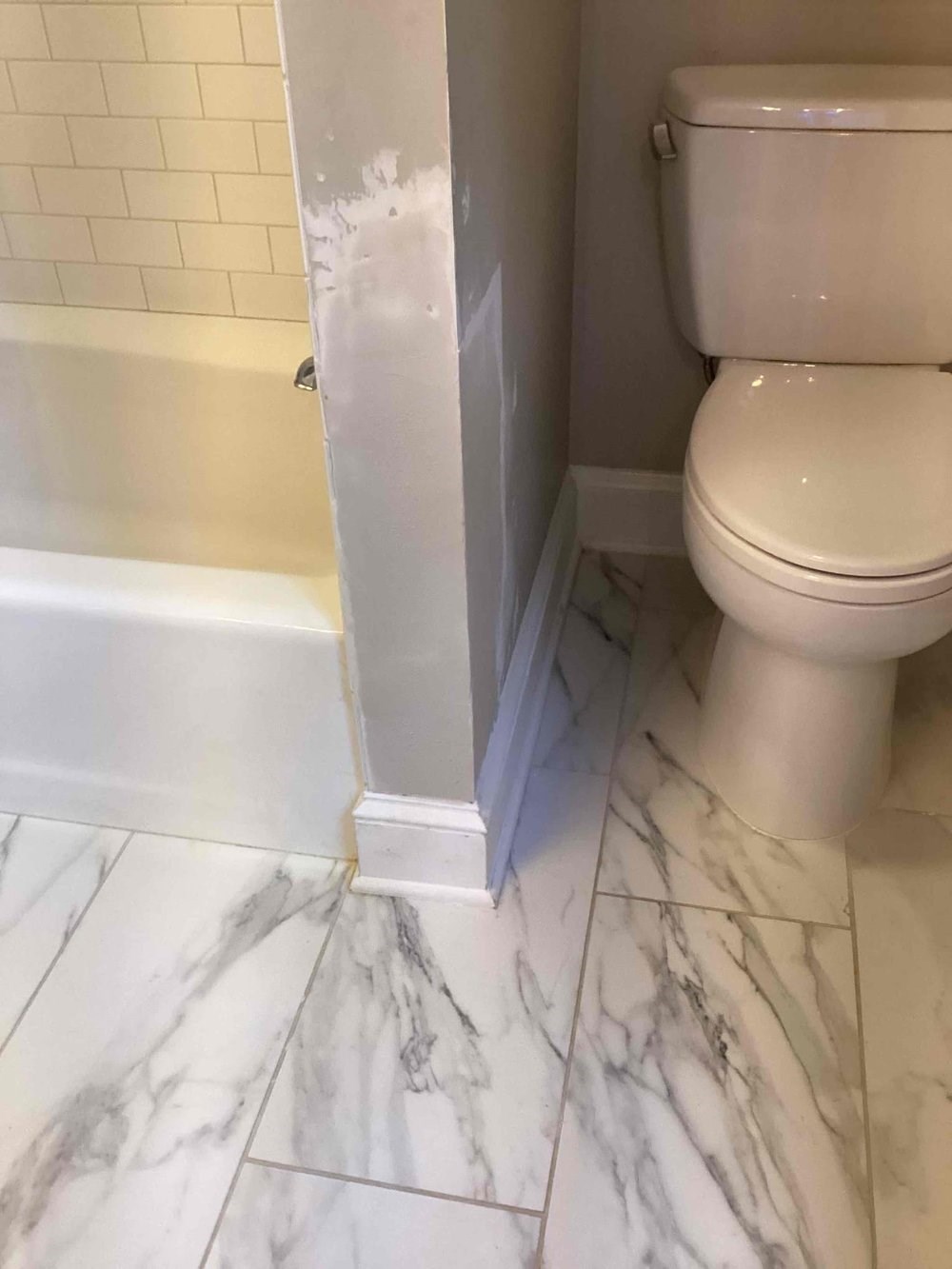
Door casing and other trim
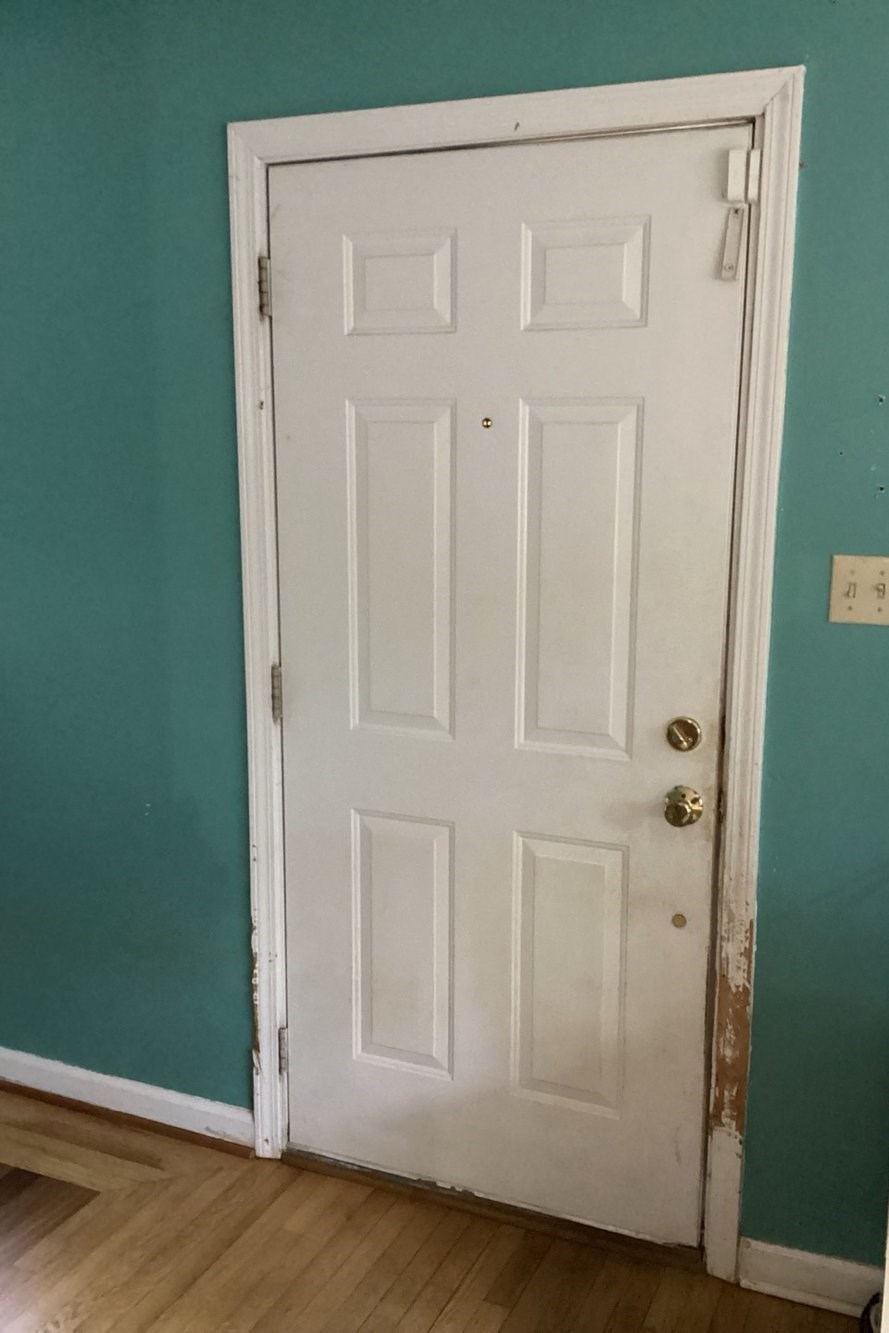
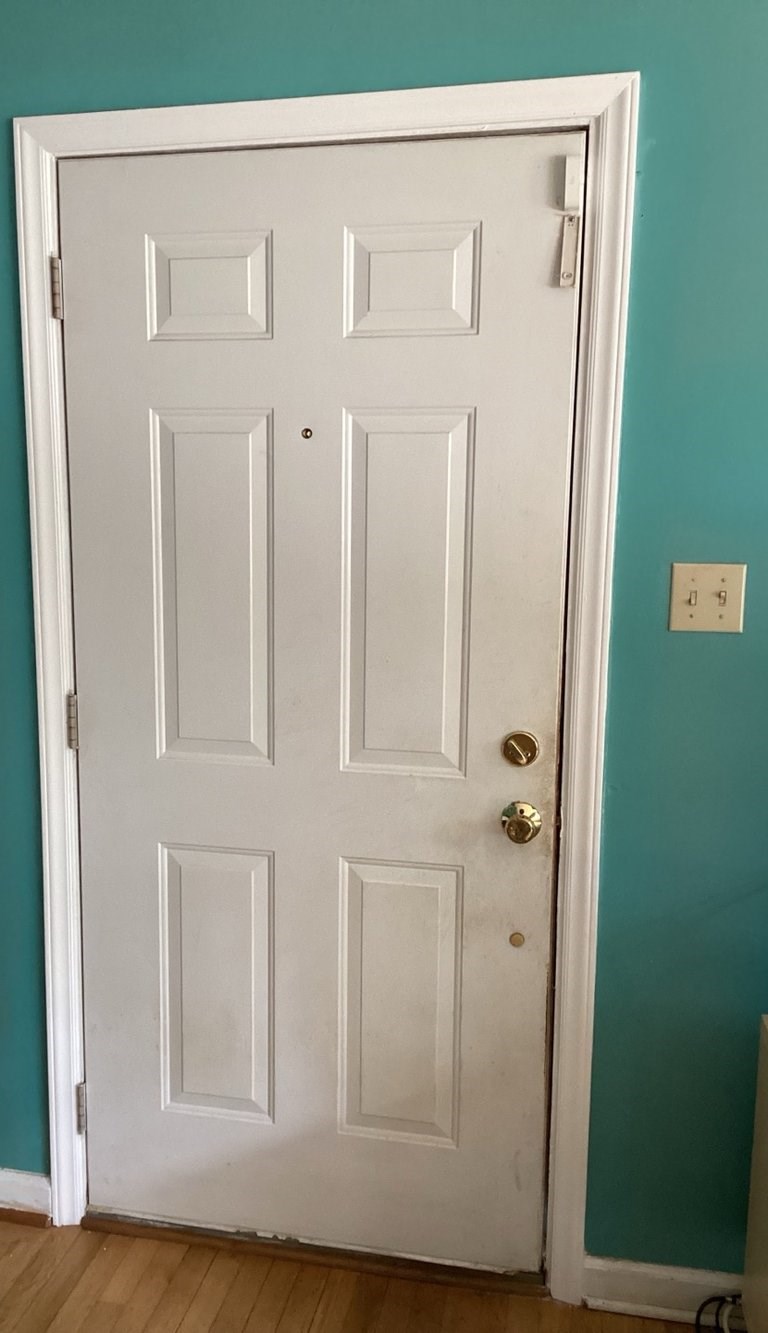
Door casing gets the same wear as baseboard, and it's usually repaired the same way. Dents get filled, a split piece gets replaced, and the miter at the top gets tightened. If the casing moved because the door frame itself is damaged, the frame comes first: see how door jambs and frames get repaired. For a whole-room change, or if you're deciding who to hire, here's how to choose between a handyman and a carpenter.
Getting ready to sell?
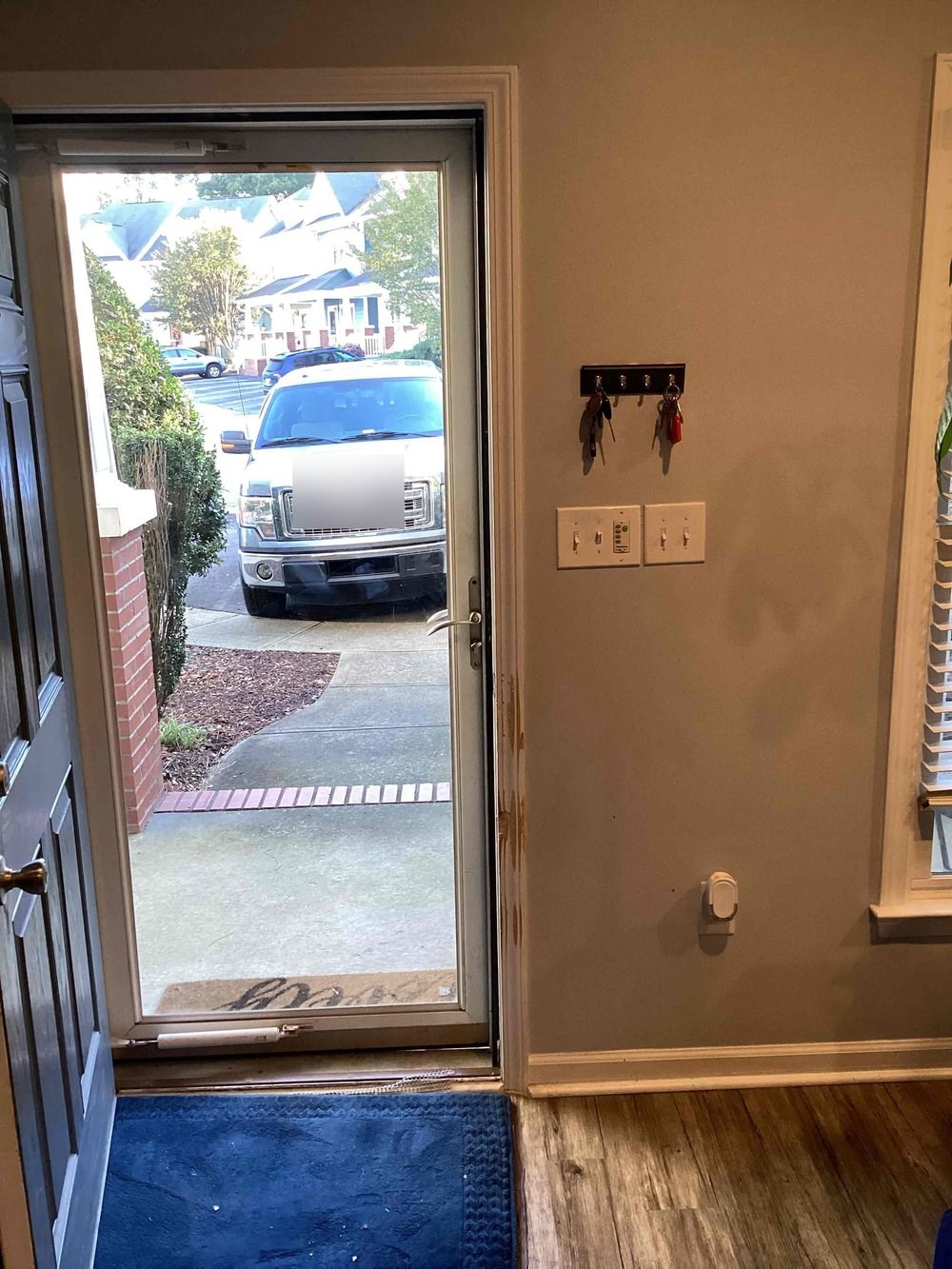
Dinged baseboard and gapped trim show up in listing photos and on buyers' walk-throughs, and they're among the quicker fixes on a pre-sale list.
"Thank you for taking care of some baseboard work quickly and with a fair price when we were in a time crunch for closing. Appreciate it very much."
— Joe A., Google review
See which other repairs are worth making before you list.
What affects the cost of baseboard repair?
We bill by time and materials, so we don't publish a set price. What moves the total: how many runs and corners need work, whether the profile is still made, whether there's water damage behind the trim, and how much caulking and painting is needed to finish it.
Who will come to your home?
Every Ace Handyman Services craftsman is a background-checked, insured W-2 employee (not a subcontractor). You'll get an on-my-way text with your craftsman's name and photo, and the work is backed by our one-year workmanship warranty.
Frequently asked questions
Can baseboards be repaired instead of replaced?
Yes, in most cases. Dents and nail holes are filled, sanded and repainted, and loose runs are refastened and caulked. Split, swollen or rotted sections are cut out and a matching piece is spliced in. Full replacement is only needed when the damage runs the whole wall or the profile can't be matched.
Should you caulk the gap between baseboard and wall?
Yes. A thin bead of paintable caulk along the top edge hides the small gaps left by wavy drywall and seasonal movement. Very wide gaps are different: the baseboard may need refastening first, and a gap that keeps growing should be checked before it's covered up.
Why is my baseboard swollen or bubbling?
Swollen baseboard almost always means water. Common sources are a failed caulk line at a tub or shower, a leaking toilet seal, or a problem at an exterior door threshold. Find and fix the source first, then cut out the damaged section and check the drywall behind it.
How do you fix a baseboard corner that has come apart?
If the miter has only opened, it can be glued, pinned, filled and repainted. If the corner is crushed or splintered, the end is cut back and a new mitered piece is fitted. Inside corners are usually caulked once the boards are fastened tight to the wall.
Get your baseboards looking right again
Call Ace Handyman Services Greater Triangle and Johnston County at (984) 319-0120 or request an estimate online to schedule a baseboard and trim repair.