


Spring in Wake County means one thing in the real estate market: inventory moves fast and buyers look closely. If you're getting a home ready to list in Raleigh, Wake Forest, Rolesville, Cary, Apex, Fuquay-Varina, or Holly Springs, the decisions you make about pre-listing repairs in the next few weeks will show up in your inspection report, your showing feedback, and your final sale price.
We work with homeowners and realtors across Wake County on pre-listing preparation year round, but April through June is when that work concentrates. Every one of these communities has its own buyer profile and its own competitive dynamic, a home listing in Cary's Preston neighborhood competes differently than one in Holly Springs' Twelve Oaks, and a 1990s ranch in North Raleigh competes differently than a 2010 two-story in Fuquay-Varina. What they share is that buyers across all of these markets are educated, well-represented, and use visible deferred maintenance to negotiate lower offers before they've even sat down to write one.
One thing that makes getting started easier: we give estimates over the phone. You describe the project, send photos if that helps, and we give you a number no waiting for an in-home estimate visit before you can start planning.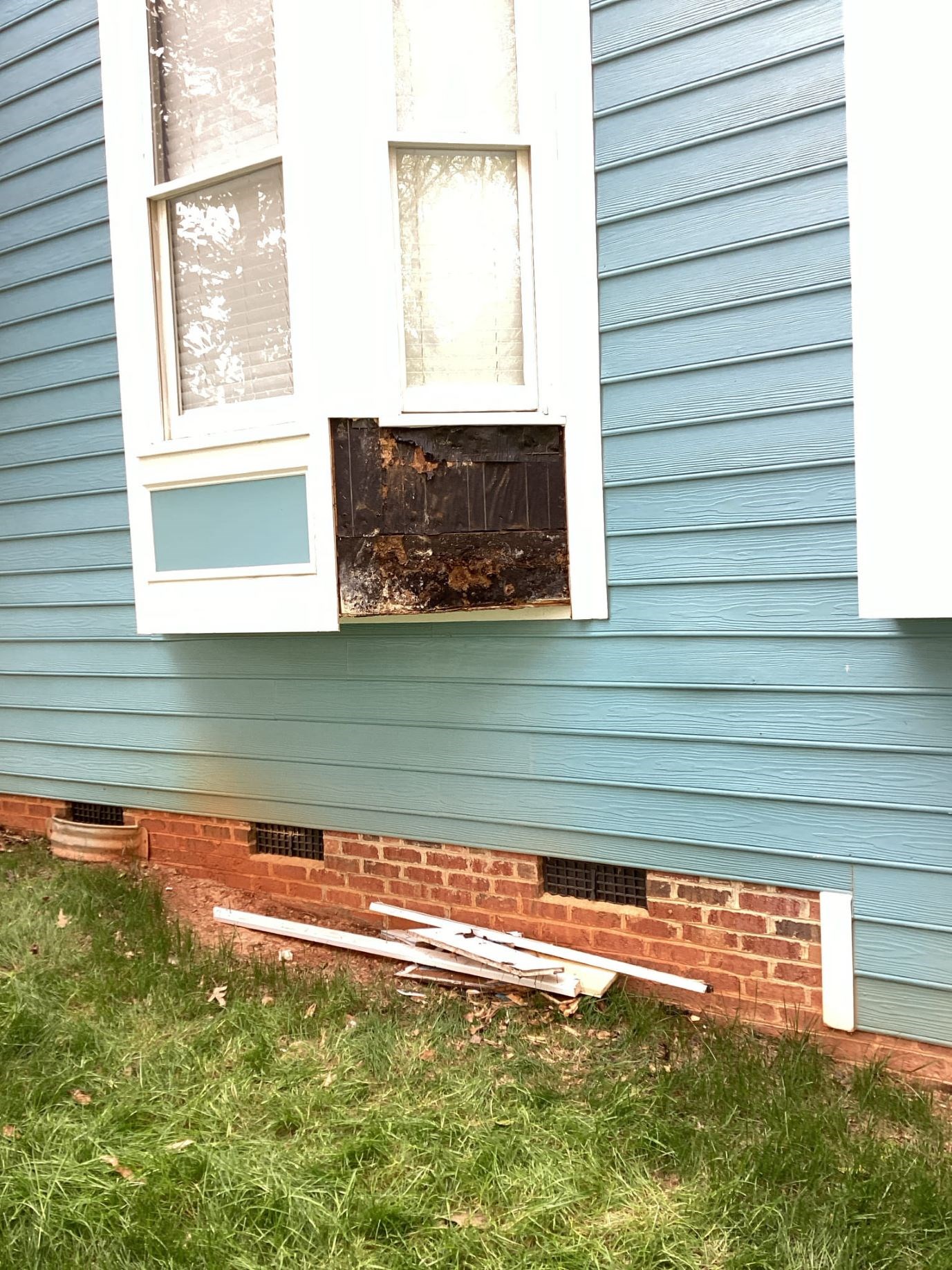
Why pre-listing repairs matter more in Wake County's market
Wake County's real estate market is one of the most active in the Southeast, and that activity cuts both ways for sellers. Yes, homes move quickly. But the buyer pool here from relocating professionals, Research Triangle Park employees, healthcare system transfers, and government sector workers approaches a home purchase analytically. They've done their research, their agent has run comps, and they know what a well-maintained home in Cary or Apex should look and feel like.
The southwest Wake communities face additional competitive pressure from new construction. Fuquay-Varina and Holly Springs have seen significant builder activity over the last decade, and resale homes in those markets compete directly against new product with move-in-ready timelines and builder incentives. A resale home showing deferred maintenance: sticky doors, caulk that's separated, a deck that hasn't been touched in three years starts that competition at a disadvantage.
Wake Forest and Rolesville face the same dynamic from the north. The resale home that shows best wins the buyer. And "shows best" almost always starts with repairs a handyman can complete in a day or two, not a full renovation.
The other factor is timing and control. Most inspection required repairs happen after an offer is accepted, under contract deadline pressure, at buyer demanded pricing. Completing those same repairs before listing and on your schedule, with your preferred contractor puts the negotiation back on your side.
The repairs buyers notice at first showing
These are the things that register before a buyer has said a word to their agent. They're not structural, they're the aesthetic and functional signals that tell a buyer how carefully a home has been maintained.
Interior paint condition. Scuffed walls, nail holes that were never patched, paint applied over surfaces that have since cracked at the edges, these are inexpensive to fix and expensive to leave. Fresh interior paint is consistently one of the highest-ROI pre-listing investments in the Wake County market. The important part is doing it right: drywall repair before painting, not painting over existing damage. A paint job that shows the patch underneath it looks worse than no paint job at all.
In older North Raleigh and Cary homes, especially those built between 1985 and 2000, knock-down and orange-peel wall texture is common and matching it during a repair takes real skill. Buyers in these neighborhoods notice when it wasn't matched correctly.
Door function and hardware. Doors that don't close cleanly, require extra force to latch, or drag against the frame are noticed by every buyer who walks through a showing. Our door repair and adjustment work resolves most of these issues efficiently. If you have a door that's been sticking since last summer, it needs to be right before the first showing not after.
Trim and caulk condition. Caulk gaps at baseboards, window trim that's pulled away from the wall, quarter-round separated from floor transitions, these create an impression of age and neglect that costs more in buyer perception than the repairs cost in labor. A caulk and trim touch-up pass through a home takes about half a day and meaningfully improves how showing-ready it feels.
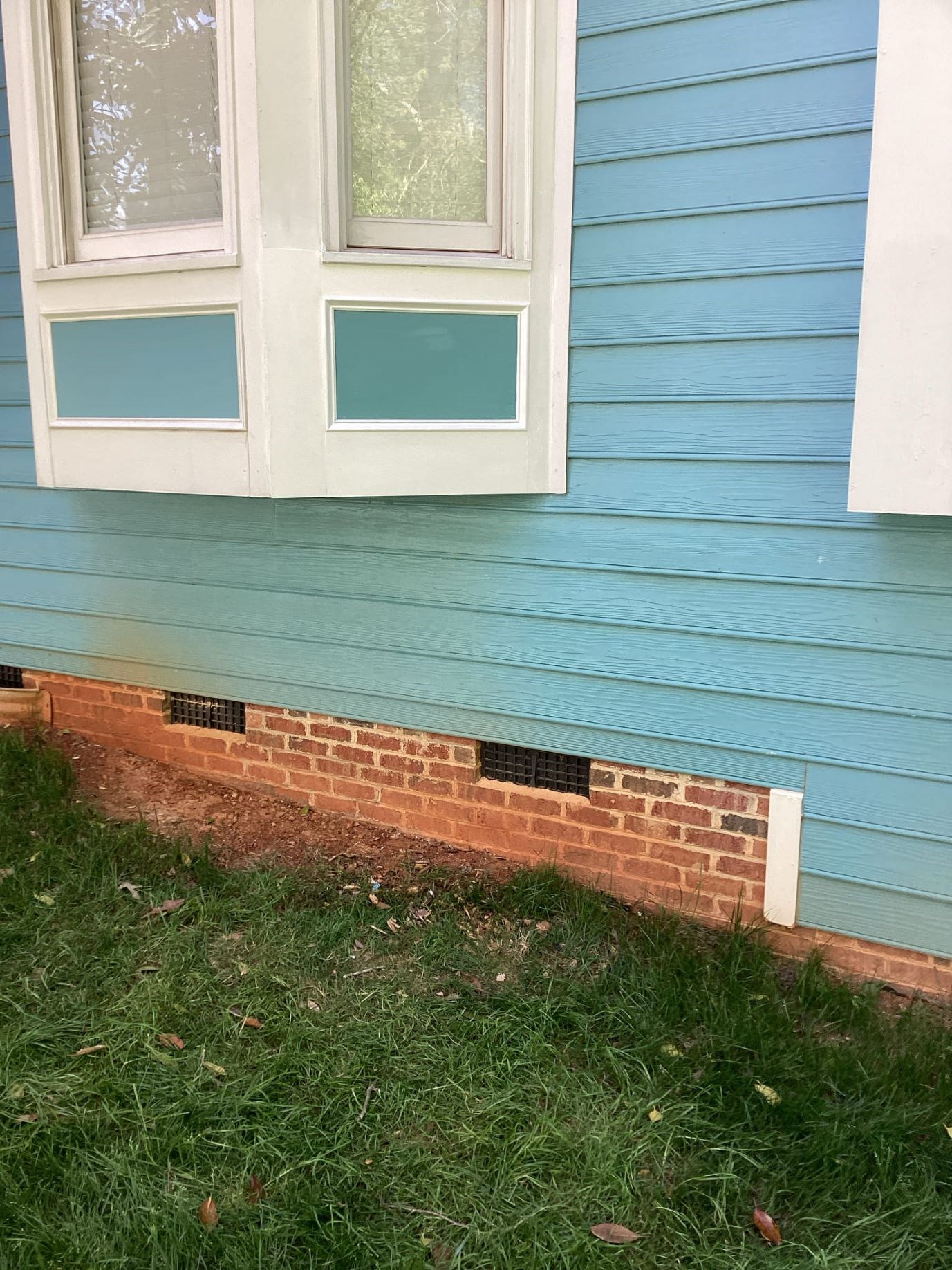
Exterior presentation. Buyers form their first impression before they step out of the car. In Cary's established neighborhoods, peeling paint on trim or a sagging gutter reads sharply against mature landscaping. In newer Apex and Holly Springs communities, exterior condition is visible from the street and from neighboring homes. Peeling soffit paint, a rotted window sill, gutters pulling away from the roofline all of these communicate deferred maintenance before anyone has opened the lockbox.
We've covered rotted exterior trim repair and deck painting in detail elsewhere on this site, both come up in nearly every pre-listing scope we complete across Wake County.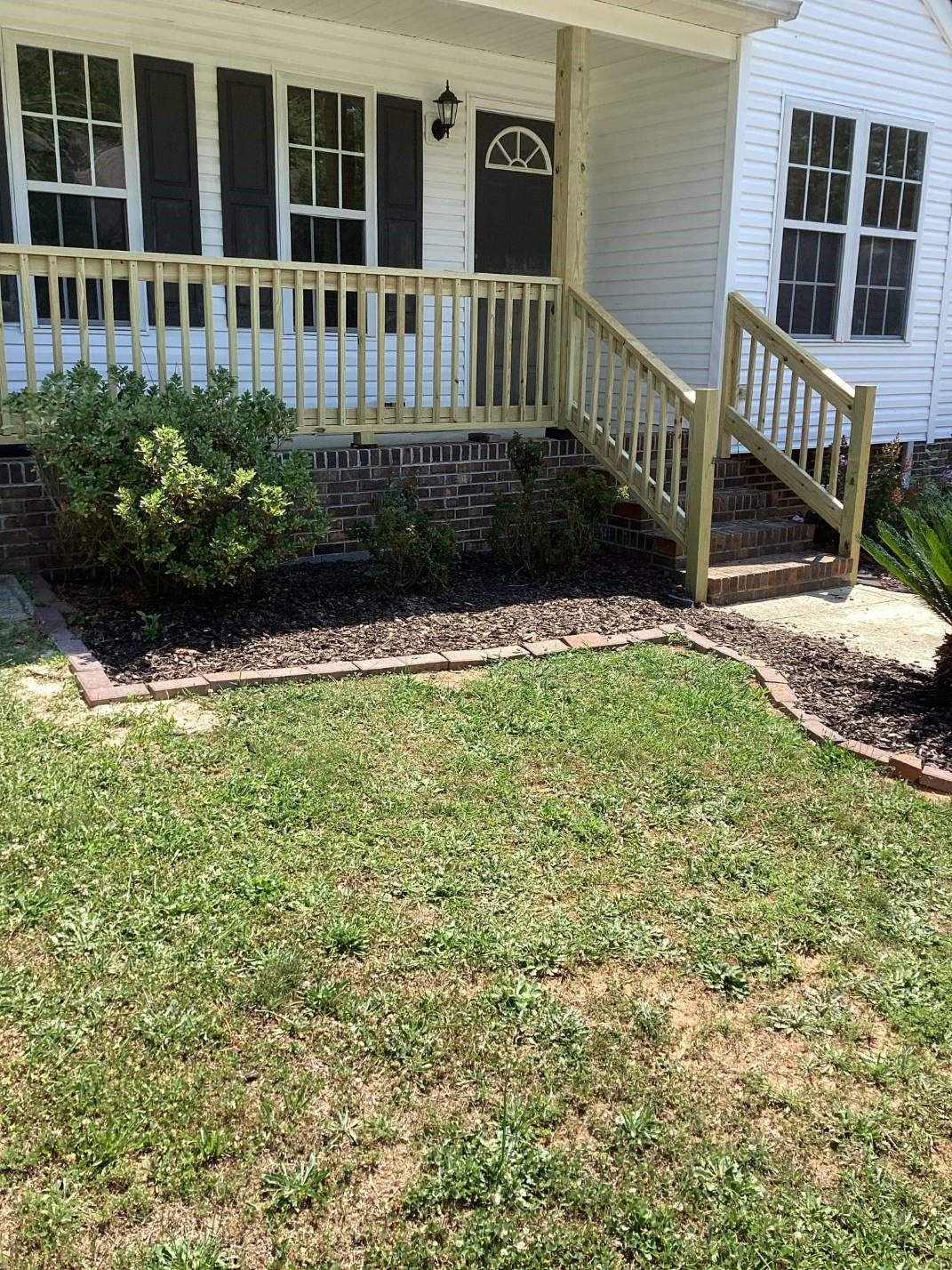
What shows up on inspection reports and what to address before that happens
The repairs that give buyers the most negotiation leverage after an inspection are almost always items that were visible and knowable before the inspector walked through. Here's what comes up most consistently in pre-listing preparation across Wake County:
Drywall damage. A water stain on a ceiling or damaged drywall near a window doesn't just appear on an inspection report it often triggers additional inspection requests that can stall a contract. If there has been any moisture issue in the home, address the drywall damage before listing. We've written in detail about drywall repair after water damage and proper repair sequencing matters as much as the patch itself. In North Raleigh homes near heavily treed lots, Falls River, Stonehenge, Wakefield Plantation, moisture-related drywall issues are especially common and buyers in those neighborhoods know to look for them.
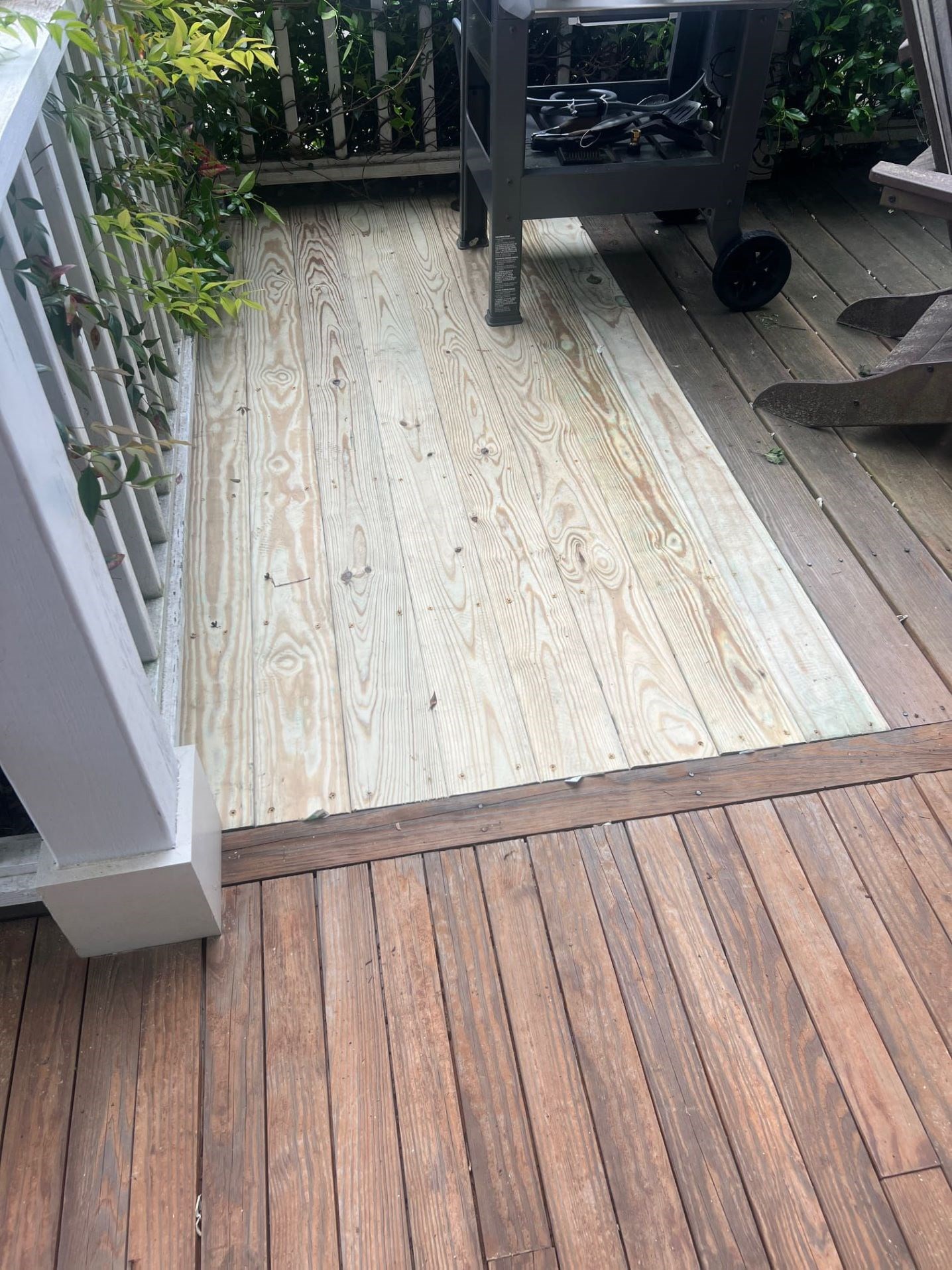
Deck and porch condition. Home inspectors check decks carefully: surface condition, railing stability, and structural connections. A pre-listing deck repair that catches and corrects visible issues before the inspector arrives is worth considerably more than the repair cost in avoided post-inspection negotiation. Our deck and porch safety checklist covers the items inspectors look for most consistently.
In Fuquay-Varina and Holly Springs homes built between 2000 and 2015, deck framing from that era is now old enough to show wear, particularly at points where wood meets concrete or soil. These are addressable repairs when caught before listing, rather than the larger scope they can become when left alone.
Window and door weatherstripping. Inspectors check windows and doors for proper operation and seal condition. Drafty doors and windows with failed weatherstripping, covered in our post on doors that won't latch or have a draft, are straightforward repairs that cost a fraction of the credit a buyer will request after an inspection flags them.
Gutter function and attachment. Gutters that are clogged, sagging, or separated from downspouts get noted on home inspections as drainage concerns. A gutter cleaning and reattachment pass before listing costs a fraction of what that inspection line item becomes when it's negotiated under contract deadline pressure.
Flooring transitions and visible damage. Lifted transition strips, damaged laminate sections, or cracked tile get noted on inspections and buyers feel them underfoot during showings. Flooring repair at the spot-repair level resolves most of what inspectors flag in this category without requiring a full floor replacement.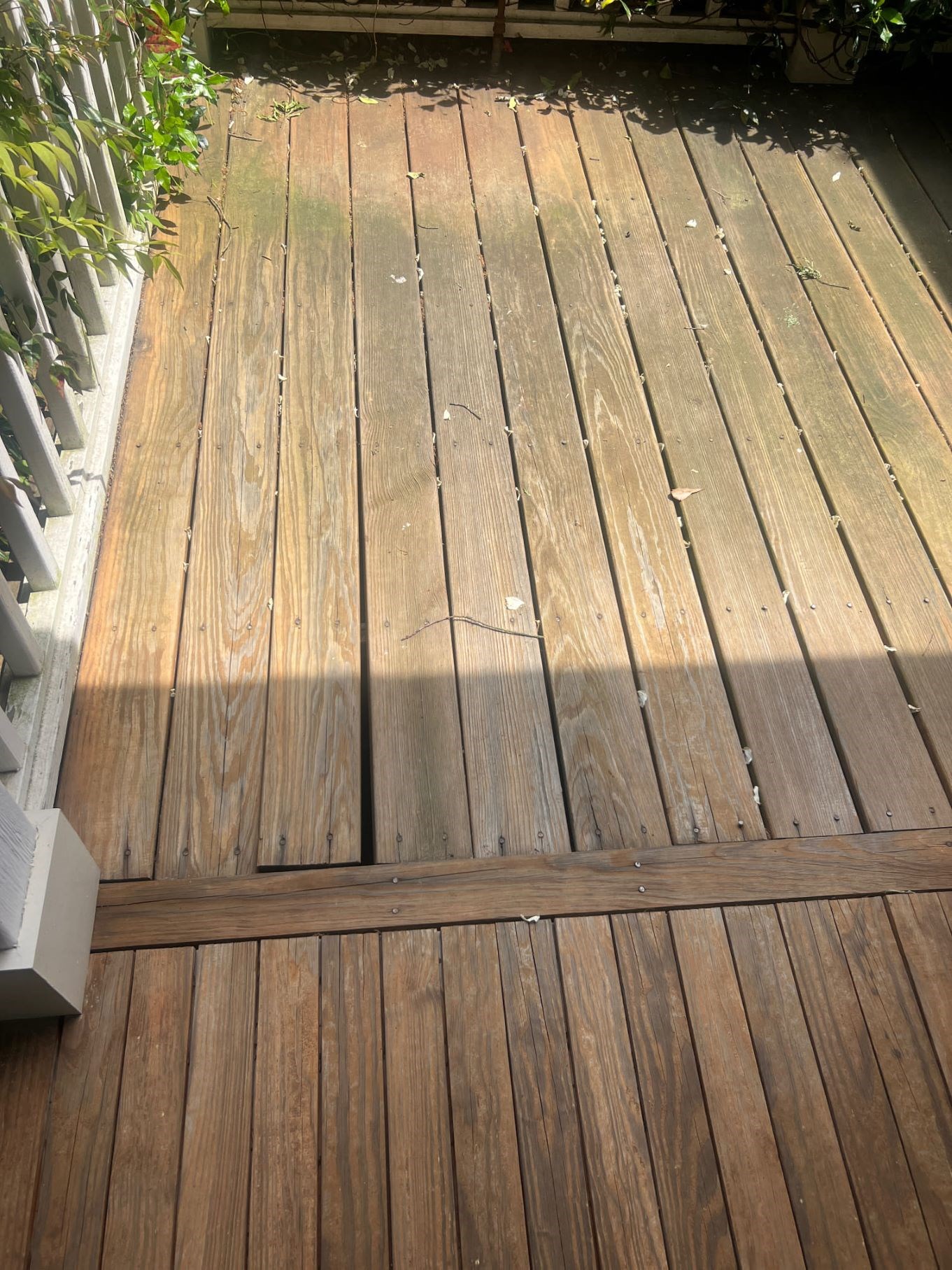
Community-specific context for Wake County sellers
North Raleigh (27615, 27616, 27614). Homes in Wakefield, Falls River, Durant Trails, and Bedford were largely built between 1995 and 2010. Common pre-listing issues in these neighborhoods include drywall nail pops from fully settled framing, caulk failures at tub surrounds, and deck condition at the 15- to 25-year mark. Buyers at North Raleigh price points bring detailed inspectors a thorough pre-listing repair pass pays for itself.
Cary. Cary's housing stock spans from established neighborhoods like Preston and Lochmere built in the 1980s and 90s, to newer communities on the western side near Morrisville. Older Cary homes often have exterior trim that's seen decades of weather and original caulk that's well past its useful life. Pre-listing energy here is best focused on exterior paint and trim condition, weatherstripping, and anything visible in a buyer's first-showing walkthrough.
Apex. Apex has seen strong appreciation and buyer competition, but that leverage erodes when inspection items pile up. Communities like Haddon Hall and Salem Village have homes now entering their first significant maintenance cycle. Deck condition, exterior paint, and gutter function are the consistent pre-listing categories in these neighborhoods.
Fuquay-Varina and Holly Springs. Resale competition with new construction is real in both communities. A resale home that shows truly move-in ready, fresh paint, sound deck, clean gutters, doors that close properly commands meaningfully stronger first offers than one where buyers are mentally calculating a repair budget before they leave the driveway.
Wake Forest and Rolesville. Heritage Wake Forest, Traditions, and surrounding developments have large inventories of homes built 2005 through 2018 that are surfacing first-generation maintenance items. Sellers in these communities benefit most from a systematic pre-listing walkthrough that catches these items before an inspector does.
What's not worth doing before listing
Knowing what to skip is just as important as knowing what to fix. Pre-listing repair investment has a real ceiling, and crossing it costs rather than earns.
Full kitchen or bathroom renovations. Buyers will renovate to their own taste. Unless a home is priced as a distressed property, full renovations rarely return their full cost at resale. Functional repairs such as a running toilet, a dripping faucet, a light fixture that doesn't work are worth addressing because they signal neglect. Design overhauls are not.
Trend-driven cosmetic updates. Replacing functional fixtures across the whole house to match current preferences is rarely recovered at sale. Fix what's broken. Leave what's dated-but-working for the buyer's own renovation budget.
Landscaping overinvestment. Curb appeal matters but professional landscape design before a listing has low ROI. Clean, trimmed, and mulched is the goal, not redesigned. That's homeowner-level weekend work, not a contractor budget item.
Getting started is easier than you think
We give estimates over the phone you describe what needs to be done, send photos if that's helpful, and we give you a clear number before anyone needs to visit the home. No waiting for an in-person estimate appointment before you can start planning your pre-listing timeline.
At Ace Handyman Services Greater Triangle and Johnston County, our background-checked craftsmen have worked in homes across every neighborhood and price point in Wake County since 2022. We know what Triangle buyers look for, what inspectors flag, and which repairs come up the most after an inspection or with the new owner.
We've written about how to evaluate a home service professional because we believe that transparency about the process is part of the service. If your realtor has a repair punch list, e-mail it over and we'll work through it in a single scheduled visit rather than coordinating multiple contractors over multiple weeks.
If you're planning to list this spring, the repair window is now. Call (984) 319-0120 for a phone estimate, or submit your project online and we'll follow up same business day.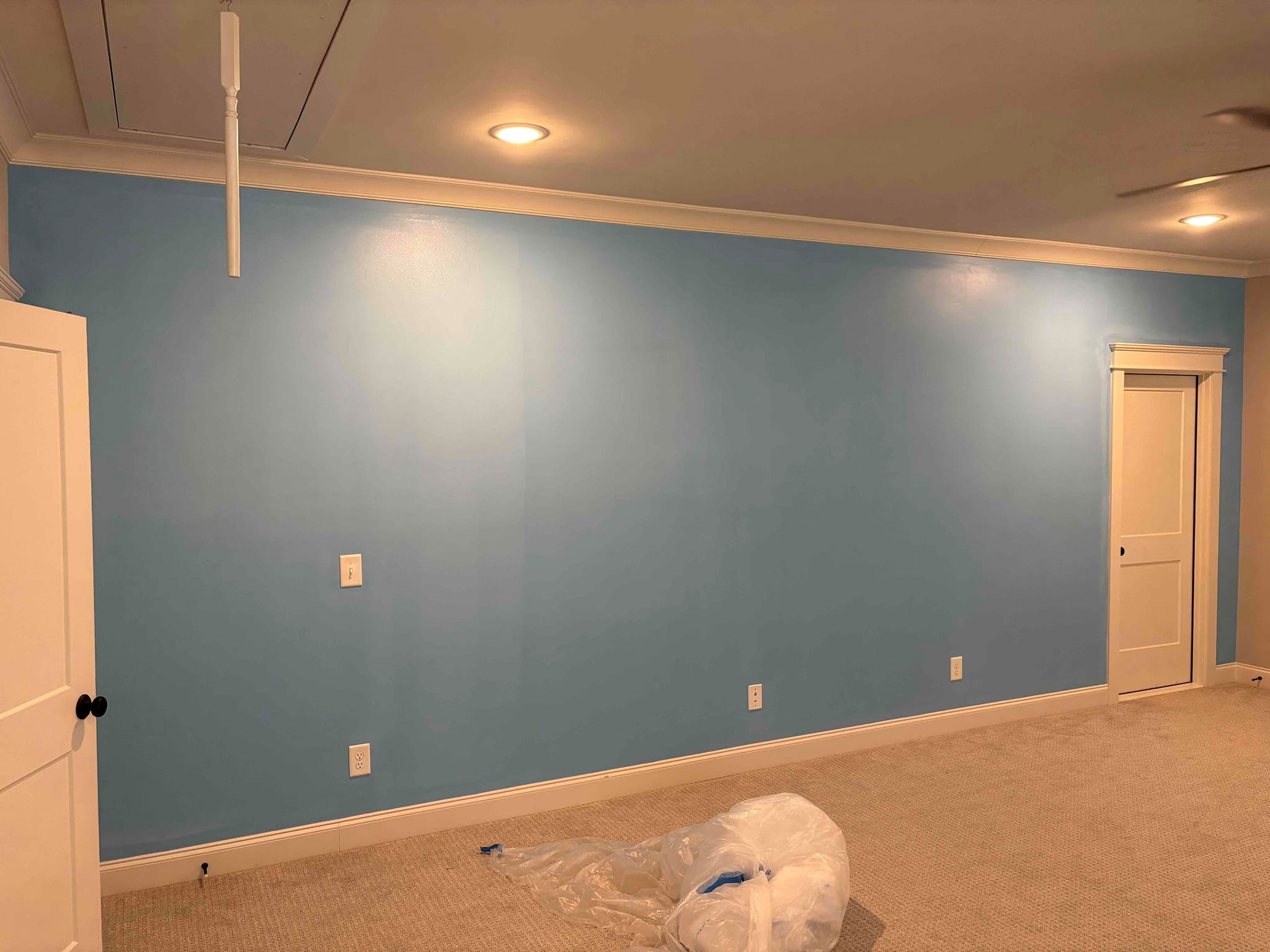
Frequently asked questions
How do I get an estimate without scheduling a home visit?
Call us at (984) 319-0120 and describe the project we give estimates over the phone. If photos would help clarify the scope, you can text or email them and we'll work from those. Most pre-listing repair scopes can be estimated this way without anyone needing to visit the home first.
How far in advance of listing should I schedule pre-listing repairs?
Four to six weeks is the practical window, however we can schedule many quicker repairs within 3-5 business days. That gives enough time to complete repairs, allow paint and caulk to fully cure, and still have buffer before listing photos are scheduled. April and May listings in Wake County are often planned in February or March which means the comfortable repair window for spring sellers is right now.
Can you coordinate directly with my realtor?
Yes, and we do this regularly. Many Wake County realtors maintain standard pre-listing repair lists and appreciate a single contact who can address multiple repair categories in one scheduled visit. If your realtor has a punch list, share it when you call and we'll scope the work against it.
What if the inspection finds additional items after pre-listing work is complete?
Post-inspection repairs under contract are a different scope with a tighter timeline, and less flexibility. We handle those as well and can typically turn around inspection repair lists quickly. Pre-listing preparation is designed to minimize that list by addressing the predictable items before the inspector arrives, not to eliminate every possible finding.
Do you work in HOA communities in Cary, Apex, and Holly Springs?
Yes. HOA communities in these areas often have restrictions on exterior paint colors and materials. We ask about these upfront rather than mid-job. If your HOA requires an approval process before exterior work begins, that's a reason to call us earlier rather than closer to your listing date.
Is there a minimum repair scope?
Our only minimum is 1-hour. Some pre-listing calls result in a half-day punch list; others in a two-day repair scope. We charge for the time and materials on work actually performed. Bundling multiple smaller repairs into a single visit, which is exactly how pre-listing preparation works, is the most cost-effective approach.