


A vinyl fence that has faded to chalky white or clashes with a newly painted house is a common frustration, and the question that follows is always the same: can you actually paint over it, or are you stuck living with the color it came with?
Can you paint a vinyl fence? Yes, but it comes with real limitations. Vinyl's non-porous surface resists standard paint adhesion, so painting requires specific paint formulations, aggressive surface preparation, and an ongoing maintenance commitment. Most painted vinyl fences show peeling or cracking within three to seven years depending on climate.
Whether you decide to paint it yourself, replace panels, or upgrade to a higher grade of vinyl, Ace Handyman Services can be a resource at any point in that decision, from evaluating your fence's condition to handling the labor if you decide the project is bigger than a weekend job.
Quick Overview: What Painting a Vinyl Fence Actually Involves
Before you buy a single can of paint, it helps to see the whole project laid out. Painting vinyl is not a quick refresh; it is a multi-stage process where skipping steps guarantees failure.
- Assessment: Check the fence's age, grade, and existing surface condition (chalking, oxidation, cracks).
- Deep cleaning: Remove chalk residue, algae, and oxidation buildup with pressure washing or chemical cleaners.
- Surface abrading: Lightly rough the surface with fine-grit sandpaper to give paint something to grip.
- Priming: Apply a bonding primer formulated for non-porous plastics.
- Painting: Apply two coats of an adhesion-capable acrylic or urethane-modified formula, respecting cure windows between coats.
- Curing: Allow full cure time (often 24 to 72 hours depending on temperature and humidity) before the fence sees weather or contact.
- Ongoing maintenance: Annual or biannual inspection for peeling at joints and posts, with touch-up work as needed.
Assessing Your Vinyl Fence Before You Begin
Identifying Your Vinyl Grade
Not all vinyl fencing is built the same. Budget-grade vinyl uses fewer UV inhibitors and stabilizers, which means it fades faster and may have a chalkier, more degraded surface by the time you're considering paint. Premium vinyl fencing with reinforced stabilizer packages resists discoloration for a decade or more, but even premium vinyl faces the same fundamental adhesion challenge once you introduce paint. Check your original installation paperwork or manufacturer markings on the posts to get a sense of what you're working with.
Checking Age and Surface Condition
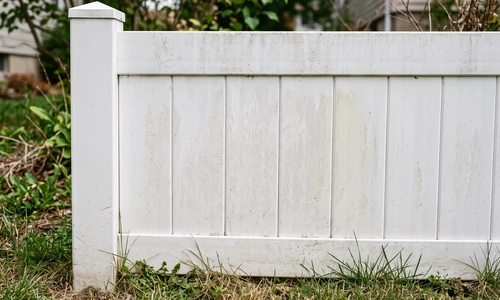
A fence under five to seven years old with minimal chalking is a better paint candidate than one showing brittleness, cracking, or heavy oxidation. Run a hand across a panel; if it leaves a chalky white residue on your fingers, that's UV-driven resin breakdown, and it needs aggressive cleaning before any paint goes on. Cracked or brittle sections signal the vinyl itself is degrading structurally, which paint cannot fix and may accelerate.
Essential Equipment and Materials for Painting Vinyl
Pressure Washer vs. Hand Cleaning
A pressure washer speeds up chalk and algae removal significantly, but low-end consumer units may not generate enough pressure to fully strip oxidation, while high-pressure settings risk gouging softened vinyl. A rented mid-grade pressure washer (1,500 to 2,500 PSI) with a fan tip strikes the right balance. If you don't own one, most equipment rental centers carry them by the day.
Paint Selection Criteria
Paint choice is the single biggest factor in whether this project holds up. Standard exterior house paint, even when labeled "all-surface," is formulated for porous substrates like wood or stucco and will not bond reliably to PVC. Look specifically for latex-acrylic blends marketed for plastic or vinyl surfaces, urethane-modified acrylics for higher flex tolerance, or epoxy-acrylic hybrids for maximum adhesion. Avoid oil-based paints entirely; they lack the flexibility to move with vinyl's thermal expansion and will crack quickly.
Other Materials You Will Need
- 120 to 180 grit sandpaper or an orbital sander with a fine-grit pad
- Bonding primer rated for plastic or vinyl substrates
- TSP substitute cleaner or a dedicated vinyl fence cleaner
- Painter's tape and drop cloths
- Quality synthetic-bristle brush and a low-nap roller, or an airless sprayer for larger runs
- Extension pole for tall panels
If scoping out the right paint, primer, and abrasion approach for your specific fence grade feels like the part where the wheels could come off, a conversation about fence sealing and painting can save you from buying materials that were never going to work in the first place.
How Vinyl's Non-Porous Surface Creates Adhesion Problems
Why won't paint stick to a vinyl fence the way it sticks to wood? Vinyl is a non-porous PVC polymer with a smooth molecular surface that offers no texture for paint to mechanically grip. Wood absorbs paint into its open grain; vinyl does not, so paint sits on the surface as a thin film that relies entirely on surface-level bonding rather than absorption.
That distinction matters because paint film that only sits on top of a surface, rather than penetrating it, is far more vulnerable to being lifted by movement, moisture, or temperature swings. Vinyl also expands and contracts more than wood as temperatures shift throughout the day and across seasons. A paint film that can't flex at the same rate as the substrate beneath it develops stress at the bond line, which is where peeling and cracking begin.
Paint Type Selection: What Actually Bonds to Vinyl
What kind of paint will stick to a vinyl fence? Latex-acrylic blends formulated for plastic surfaces, urethane-modified acrylics, and epoxy-acrylic hybrids offer the flexibility and bonding chemistry vinyl requires. Standard exterior house paint and oil-based paints lack the flex tolerance and adhesion additives needed, and will peel regardless of how carefully they're applied.
Within that category, urethane-modified acrylics tend to offer the best middle ground between flexibility and durability for most homeowners, while epoxy-acrylic hybrids are a specialty option worth considering if you're committed to the highest adhesion performance available. One consistent limitation across every viable paint category: darker colors absorb more heat and expand more aggressively, which accelerates bond stress. If you're set on a dramatic color change, know that darker tones carry higher failure risk than sticking closer to the fence's original shade family.
Step-by-Step Vinyl Fence Painting Process
Step 1: Deep Clean to Remove Chalking and Oxidation
Chalking is the powdery residue left behind as UV rays break down the resin in vinyl's surface layer. That residue sits between the substrate and any paint you apply, and if it isn't fully removed, paint will bond to the loose chalk rather than the fence itself, guaranteeing early failure. Use a pressure washer or a scrub brush with a dedicated cleaner formulated for vinyl siding or fencing, working section by section until the surface no longer leaves residue on a wiped hand.
Step 2: Abrade Without Damaging the Vinyl
The goal of abrading is micro-roughness, not aggressive material removal like you'd use on wood. Use 120 to 180 grit sandpaper by hand or a fine-grit pad on an orbital sander, applying light, even pressure. Vinyl generates heat under friction faster than wood does, and too much pressure or too coarse a grit can soften or gouge the surface rather than simply texturing it. Work in overlapping passes and stop as soon as the glossy sheen has dulled evenly across the panel.
Step 3: Prime the Surface
Apply a bonding primer specifically rated for plastic or vinyl substrates. This step seals the freshly abraded surface and gives the topcoat something more consistent to bond to than raw PVC. Follow the manufacturer's recoat window closely; primer that sits too long before topcoating can lose its tack, while topcoating too soon can trap solvents beneath the surface.
Step 4: Apply Paint in Thin, Even Coats
Two thin coats outperform one heavy coat every time with vinyl. Thick paint film is more prone to cracking under thermal movement, so build color gradually with a brush, roller, or sprayer, respecting the dry time between coats listed on the can. Avoid painting in direct, high heat or when temperatures will drop near freezing during the cure window; both extremes interfere with proper film formation.
Choosing and Applying Finishes: Cure Time and Aftercare
Full cure, as opposed to surface dry, typically takes 24 to 72 hours depending on temperature, humidity, and the specific paint formulation. Keep the fence free of contact, moisture, and debris during this window. Once cured, avoid pressure washing the painted surface for at least 30 days to give the film time to fully harden against water intrusion at the edges and seams.
Spot Touch-Ups vs. Full Repainting
Not every sign of wear requires stripping and repainting an entire fence. Spot touch-ups can extend the life of a paint job when failure is isolated and caught early.
- Spot touch-up makes sense when: peeling is limited to a few panels or joints, the original paint job is under three years old, and the surrounding paint film is still well bonded.
- Full repaint makes sense when: peeling has spread across multiple sections, chalking has reappeared broadly, or the original paint is showing widespread cracking rather than isolated spots.
Why Painted Vinyl Fences Fail: Peeling, Cracking, and Adhesion Loss
Why do painted vinyl fences eventually peel even when they were prepped and painted correctly? Vinyl expands and contracts with temperature more than the rigid paint film covering it, creating stress at the bond line over repeated cycles. UV exposure simultaneously breaks down the paint's own resin over time. Most painted vinyl fences show visible peeling within three to seven years, starting at joints and high-stress areas.
In practice, failure almost always shows up first at post joints, rail connections, and any spot where two pieces of vinyl meet and flex independently of each other. A fence inspected two years after a careful, well-prepped paint job commonly shows early lifting exactly at those junctions, even when the flat panel faces still look fine. That pattern is consistent with thermal stress concentrating at structural seams rather than any error in application.
Warranty and Liability: What Happens When You Paint Your Vinyl Fence
Most vinyl fence manufacturers include warranty language that excludes coverage for "unauthorized modifications" or "surface treatments," which painting typically falls under. This can void material defect coverage for fading, brittleness, or color guarantees, and may also void any workmanship warranty from your original installer. Before painting, check your fence documentation for this specific language, since coverage terms vary by manufacturer and are not standardized across the industry.
Comparing Vinyl Fence Grades: Does Premium Vinyl Paint Better?
Vinyl fence grade affects how quickly the fading and discoloration that motivate painting occur in the first place. Budget vinyl with minimal UV stabilizers may show noticeable fading within five years, while premium vinyl with a stronger stabilizer package can hold its factory color for ten years or more. Some premium formulations also accept paint slightly better due to their stabilizer content, though this varies by manufacturer and isn't a guarantee.
Alternatives to Painting: Practical Options for a Vinyl Fence
Painting is one path, but not the only one. Weighing the maintenance commitment of painting against other options helps you land on the right call for your situation.
- Paint and accept the maintenance cycle: right if you want a color change now and are prepared for inspection and touch-up work every one to two years.
- Replace individual panels: right if only certain sections are faded or damaged and the rest of the fence is holding its color well.
- Upgrade to premium vinyl: right if you're replacing anyway and want a fence that resists fading for a decade rather than five years.
- Full replacement in a new color: right if the fence is aging out structurally and a factory-finished color solves the aesthetic issue permanently, without a maintenance schedule attached.
If a full or partial swap starts to look more practical than repainting, fence installation and repair covers everything from panel replacement to a full new run, and pairs naturally with a broader look at exterior home repair if you're refreshing more than just the fence line.
Special Considerations for Older or Damaged Fences
A fence showing brittleness, cracking, or structural sag is not a good painting candidate regardless of how the surface looks cosmetically. Paint cannot restore structural integrity, and applying it to a degrading substrate often accelerates visible failure once the underlying vinyl continues to break down beneath the film. Fences older than ten to twelve years, or those already showing panel warping, are usually better served by replacement than by a paint project layered on top of failing material.
Maintenance and Long-Term Care
What does maintenance look like once a vinyl fence is painted? Expect annual or biannual inspections focused on joints, posts, and other high-stress areas where peeling typically starts first. Painted vinyl in high-UV climates often needs touch-up work within three to five years; temperate zones with more shade can stretch closer to seven years before a full repaint is needed.
- Inspect joints and post connections twice a year, especially after extreme temperature swings.
- Keep the painted surface clean with gentle washing rather than high-pressure spraying.
- Address small peeling spots with touch-up paint promptly before they spread.
- Avoid pressure washing painted sections for at least 30 days after any new coat.
Things to Consider Before You Start
- Is your fence young enough to justify the effort? Fences under seven years old with minimal chalking are the best candidates; older fences often make more sense to replace.
- Are you prepared for an ongoing maintenance schedule? Painting is not a one-time fix; it's a recurring commitment measured in years, not decades.
- Does your fence's warranty matter to you? If you plan to file a warranty claim down the road, painting may forfeit that option.
- What's your local climate doing to the paint film? High-UV, high-heat, or freeze-thaw regions will shorten the lifespan of any paint job.
- Would replacement or a premium upgrade solve the real problem? If fading is the core complaint, a better vinyl grade might resolve it more permanently than paint ever will.
If you land on the side of painting, you're signing up for a multi-stage prep process and a maintenance calendar. If you land on the side of replacement or an upgrade, you're trading a smaller upfront project for a longer-lasting result.
Why Homeowners Bring in Ace Handyman Services
- Peace of mind when you're deciding between a paint attempt and a fence you can't easily undo if it goes wrong
- A one-year labor warranty backing the work, regardless of which path you choose
- No pressure washer, sander, or sprayer to rent, learn, or return when the project wraps
- Background-checked, multi-skilled W-2 craftsmen, not gig-based contractors assembled for a single job
- A predictable weekday timeline that doesn't eat into your weekends
- Honest scoping, including telling you when a spot touch-up or panel swap solves the problem without a full repaint or replacement
- Cleanup included, so sanding dust, old cleaner residue, and paint materials don't become your problem afterward
Whether you're leaning toward painting, replacing a few panels, or upgrading to a fade-resistant vinyl grade, it helps to have someone assess your fence's actual condition before you commit materials or time. Reach out to your local Ace Handyman Services office to talk through what your specific fence needs.
Frequently Asked Questions
What type of paint will adhere to vinyl fencing?
Latex-acrylic blends formulated for plastic surfaces, urethane-modified acrylics, and epoxy-acrylic hybrids are the categories with a realistic chance of bonding to vinyl. Standard exterior house paint and oil-based formulas lack the flexibility and adhesion chemistry vinyl requires and will fail regardless of how carefully they're applied.
Can you change the color of a vinyl fence permanently?
Technically you can apply a new color, but it isn't permanent the way a factory finish is. Paint on vinyl carries adhesion limits, darker-color heat absorption issues, and a realistic three to seven year lifespan before touch-ups or a full repaint are needed, so think of it as a temporary refresh rather than a lasting change.
What are the drawbacks of vinyl fencing in general?
Vinyl fencing can carry a higher upfront cost than wood, comes in a limited set of factory colors, and lower grades can fade or chalk under intense UV exposure over time. When it comes to painting specifically, the drawbacks compound: adhesion challenges, potential warranty voiding, and an ongoing maintenance commitment that many homeowners don't anticipate going in.
Will painting my vinyl fence void the manufacturer warranty?
In many cases, yes. Manufacturer warranties frequently exclude coverage for unauthorized surface treatments or modifications, which painting falls under. Check your fence's specific warranty documentation before starting, since terms vary by manufacturer and some offer partial coverage exceptions while others void the warranty entirely.
How long does paint actually last on a vinyl fence before it peels?
Expect somewhere between three and seven years depending on your climate. High-UV, high-heat regions tend toward the shorter end of that range, while temperate or shaded areas can stretch closer to seven years before peeling becomes widespread enough to require a full repaint.
Is it cheaper to paint a vinyl fence or replace it with a better grade?
Painting has a lower upfront material cost but carries a recurring touch-up and repaint cycle every few years, which adds up in time and materials over a decade. Upgrading to a premium, fade-resistant vinyl grade costs more initially but can eliminate the color-fading complaint that prompts painting in the first place for ten years or longer.