


A fence that leans a few degrees might still look fine from the street, but a sagging fence rarely fixes itself. Left alone, a leaning post accelerates as soil shifts further and hardware loosens, turning a weekend repair into a full section replacement. This guide walks through how to fix a sagging fence, starting with diagnosis, moving through the repair methods that actually match your situation, and finishing with the maintenance habits that keep it from happening again.
Can you straighten a leaning fence? Yes, in most cases. If the post itself is sound (no rot, no snapped base) you can straighten and re-stabilize it using bracing, gravel compaction, or a fresh concrete footing. The right method depends on post material, fence age, and how far the post has already shifted.
Some homeowners handle this project start to finish on a Saturday afternoon. Others get partway through, hit a post that's rotted below grade or a fence line with three leaning posts instead of one, and decide the smarter move is professional help. Ace Handyman Services is a reasonable option at any point in that process, whether you want a second opinion before you dig or need the whole fence line reset properly.
Quick Overview: What Fixing a Sagging Fence Involves
Before picking up a shovel, it helps to see the whole arc of the project. Most sagging fence repairs follow this sequence:
- Diagnose the cause - determine whether soil settlement, frost heave, post rot, or a structural imbalance is behind the lean.
- Inspect the post - probe below grade for rot or decay before committing to a repair method.
- Select a repair method - metal bracing, gravel re-compaction, or concrete re-setting based on post material and how long you need the fix to last.
- Excavate and stabilize - dig around the post base, straighten it, and set the chosen material.
- Cure or settle - allow gravel to compact, concrete to cure, or bracing to seat, depending on method.
- Monitor - check the post over the following one to three weeks to confirm it's holding.
- Maintain - inspect seasonally to catch new movement before it becomes a repeat repair.
Why Fences Sag: Common Causes and How to Diagnose Yours
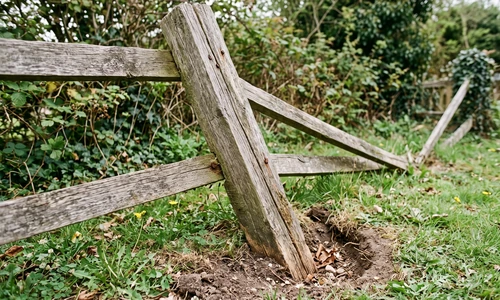
A fence sags for one of four common reasons: soil settlement or compaction around the post base, frost heave from freeze-thaw cycles pushing the post upward and out of alignment, post rot at or below the soil line weakening the wood's grip in the ground, or an uneven structural load from a gate or long unsupported span pulling the line off vertical. Diagnosing which one applies determines which repair actually works.
Frost Heave and Seasonal Soil Movement
In cold climates, frost heave happens when moisture in the soil freezes, expands, and pushes the post upward, then thaws and lets it settle back slightly off its original line. Repeated over several winters, this cycle gradually tilts a post even if the wood itself is perfectly sound. Frost heave is reversible if you catch it early. Ignored for multiple seasons, the post's original footing loses its grip and the lean becomes permanent without intervention.
Post Rot and Structural Decay
Post rot is the diagnosis that changes everything. Probe the post at and just below the soil line with a screwdriver or awl. Wood that feels soft, spongy, or crumbles instead of resisting the probe has decayed past the point where bracing or picketing will help. Discoloration, a hollow sound when tapped, or visible fungal growth are additional signs. A rotted post cannot be saved by any of the stabilization methods below; it needs to be replaced.
Essential Equipment and Materials for Fence Repair
Deciding Between Bracing, Gravel, and Concrete
The tools you need depend entirely on which repair method fits your post. Metal star pickets and a rubber mallet suit wooden posts on a budget with no interest in excavation. A post-hole digger or excavation shovel and compactable gravel suit shallow leans where you want a DIY-friendly, no-concrete fix. A post-hole digger, quick-set concrete mix, and a level suit posts you want stabilized for decades, particularly if they're metal or set in a high-wind area.
Consumables and Selection Criteria
If you're going the gravel route, choose angular crushed gravel rather than rounded pea gravel; angular stone locks together under compaction while rounded stone keeps shifting. If you're using concrete, a quick-set bagged mix designed for post-setting saves you from mixing ratios in the yard. Expanding polyurethane foam is worth considering as a concrete alternative when you want to fill voids below a post without full excavation; it cures fast and doesn't require the same cure-time patience concrete demands.
Other Materials You Will Need
- A 4-foot level to confirm true vertical
- A post-hole digger or clamshell digger
- A tape measure for post depth and picket spacing
- Work gloves and eye protection
- A tamping bar for compacting gravel in lifts
- Wood screws or carriage bolts for bracing hardware
If sorting out which method fits your post feels like the part where this project could go sideways, an fence installation and repair visit can confirm the diagnosis before you dig.
Repair Method Selection: Matching Solution to Your Situation
How to stabilize a sagging fence? Match the method to your post: metal star pickets work well for wooden posts under 10 years old that need a fast, no-excavation fix; gravel re-compaction suits shallow leans where you want a DIY-friendly repair; concrete re-setting is the right call for posts over 10 years old, metal posts, or any situation where you need a 20-year fix instead of a 5-year one.
Metal Star Picket Bracing for Leaning Posts
Drive a metal star picket into the ground at an angle alongside the leaning post, then use wire or brackets to cinch the post back to vertical against the picket. This method requires no excavation and can stabilize a post in a single afternoon. Expect a 10 to 15 year lifespan with minimal maintenance. It works best on wooden posts where you'd rather test a fix before committing to full excavation. Success looks like a post that holds vertical within a day or two of installation and stays there through the next rain.
Gravel and Compacted Soil Re-stabilization
Excavate around the post base, straighten it to vertical using a level, then backfill in 4-inch lifts of angular gravel, tamping each layer before adding the next. This concrete-free method suits shallow sagging and DIYers without access to concrete mixing equipment. Expect 5 to 8 years before the soil begins settling again. It fails when heavy rain, freeze-thaw cycles, or foot traffic compress the gravel bed faster than expected; if that happens, a follow-up concrete repair is the next move.
Concrete Re-setting for Permanent Stabilization
Excavate to below the frost line for your region, straighten the post, and pour quick-set concrete around the base, sloping the top away from the post to shed water. This is the right call for deep sagging, metal posts, or any post where you want 20-plus years of stability, assuming the wood itself isn't already rotted. The tradeoff is excavation labor and a curing window; expect concrete to reach full load capacity in about 7 days, though the post should stay braced for the first 24 to 48 hours while it sets.
Diagonal Cross-Bracing for Gate Sag
My fence gate is sagging. What can I do to fix it? Install a diagonal brace, wood or steel, running from the top corner opposite the hinges down to the bottom corner at the hinge side. This redistributes the gate frame's weight so it stops racking under its own load. A properly installed diagonal brace holds indefinitely as long as the hinges themselves aren't worn, and it prevents the gate's sag from pulling the adjacent post out of line too.
Step-by-Step Fence Repair Process
Step 1: Confirm the Diagnosis
Rule out rot before you commit to a method. Probe the post below grade with a screwdriver. If it's solid, move forward with bracing, gravel, or concrete. If it's soft or crumbling, plan for post replacement instead.
Step 2: Excavate Around the Base
Dig wide enough to work, not just deep enough to see. A hole roughly twice the post's diameter gives you room to straighten the post and pack material evenly around all sides.
Step 3: Straighten the Post
Use a level on two adjacent faces, not just one. A post can look plumb from the front and still lean sideways. Check both faces before locking in your material.
Step 4: Set Your Chosen Material
Compact in stages, don't dump and walk away. Whether it's gravel or concrete, working in lifts and tamping or vibrating out air pockets is what determines whether the fix lasts years or months.
Step 5: Brace During Cure or Settling
Temporary bracing protects your work while it sets. Screw a scrap board diagonally from the post to a stake in undisturbed ground to hold vertical alignment for the first day or two.
Choosing and Applying Bracing, Gravel, or Concrete
Cure Windows and Aftercare
Metal picket bracing stabilizes within days and needs no cure time. Gravel backfill takes 2 to 3 weeks to fully settle and reach its holding strength; expect minor additional settling (a millimeter or two) as normal, but continued visible movement after that window signals the method isn't holding. Concrete needs about 7 days to reach full load capacity, though you can remove temporary bracing after 24 to 48 hours once the mix has set enough to support the post on its own.
Temporary Bracing vs. Full Repair
Not every leaning fence needs full excavation right away. A temporary brace, star picket and wire, or a simple diagonal 2x4 stake, can hold a post through a season while you plan a permanent fix, especially if budget or timing doesn't allow for a full concrete reset immediately.
- Temporary bracing makes sense when: the lean is minor, you need to get through a season before tackling the full project, or you're testing whether the post will hold before committing to excavation.
- Full repair makes sense when: the post has shifted more than a few degrees, you've already tried a temporary fix and it failed, or the post is a load-bearing corner or gate post carrying more structural weight.
Special Considerations for Challenging Fence Repairs
Vinyl and composite fence posts don't respond to bracing or gravel the same way wood does; their anchoring systems are typically proprietary to the manufacturer, and improvising a fix can void warranty coverage or crack the material. Mixed-material fence lines, wood pickets on metal posts, or a combination of original and replaced sections, complicate diagnosis because each material fails differently.
When you're staring at a fence line with mixed materials or multiple leaning posts, it's worth getting eyes on it before you dig. A exterior home repair assessment can sort out whether you're looking at one repair or a full-line issue.
Maintenance and Long-Term Care
Regular inspection prevents most sagging before it starts. Twice yearly, ideally spring after frost heave season and fall before winter loading, walk the fence line and check post-to-ground angle with a level, look for soil settling or gaps at the base, confirm drainage isn't pooling against posts, and check for early rot signs. Post-installation, setting posts below your local frost line and choosing concrete or well-compacted gravel at the outset prevents a large share of sagging from ever occurring.
- Keep vegetation and mulch pulled back from post bases to reduce moisture retention
- Re-tighten hardware on gates and panels annually
- Re-grade soil away from posts if you notice water pooling
- Address a new lean within the first season rather than waiting
Things to Consider Before You Start
- Is the post actually rotted? If so, no bracing method will hold; you're looking at replacement, not repair.
- How many posts are affected? A single leaning post is a repair project; three or more suggests a structural or drainage issue.
- Do you have the excavation tolerance? Concrete lasts longest but demands the most digging and curing patience.
- What's your climate doing to the soil? Frost heave regions need spring timing; compaction-prone soil may need gravel over concrete.
If your honest answers point toward a multi-post problem or a post you can't confidently diagnose, that's the side of the line where bringing in help makes more sense than pushing forward alone.
Why Homeowners Bring in Ace Handyman Services
- Peace of mind when a fence line borders a shared property line or an irreplaceable landscaping feature you don't want to risk miscalculating
- A one-year labor warranty backing the repair
- No need to source, learn, or return excavation and concrete equipment
- Background-checked, multi-skilled W-2 craftsmen, not day-of gig labor
- A predictable weekday timeline that doesn't cost you a weekend
- Honest scoping that recommends a lighter fix, like bracing, when that's genuinely enough
- Cleanup included once the post is set and the job is done
If you'd rather have a professional confirm the diagnosis, handle the excavation, or take on a multi-post repair, reach out to your local Ace Handyman Services office at https://www.acehandymanservices.com/#GetEstimateLink.
Frequently Asked Questions
How do I tighten my fence?
Check the hardware first: loose screws or bolts at panel connections and hinges are the fastest fix and often resolve a wobbly section without touching the posts. If the fence still moves after tightening hardware, the post itself is likely shifted and needs bracing, gravel, or concrete.
How long does a fence repair last before sagging returns?
It depends on the method. Metal picket bracing typically holds 10 to 15 years, gravel re-compaction holds 5 to 8 years before resettling, and concrete re-setting holds 20-plus years assuming the post itself isn't rotted.
When should you replace a sagging fence instead of repairing it?
Replace rather than repair when the post is rotted below the soil line, when three or more consecutive posts are leaning (suggesting a structural or drainage issue), or when a temporary fix has already failed once.
Can a leaning fence with metal posts be fixed the same way as a wooden one?
Metal posts generally respond best to concrete re-setting rather than picket bracing, since bracing hardware is designed around wood post dimensions. Confirm the post base isn't rusted through before investing in a repair.
Do I need a permit to repair a sagging fence?
Most jurisdictions don't require a permit for repair work that doesn't change the fence's height, location, or footprint. Full replacement of a fence line sometimes does, so check local rules if you're moving beyond spot repair.
What does it cost to fix a sagging fence post?
Materials alone typically run modestly for a single post, gravel and bracing hardware on the low end, concrete mix a bit more. Costs rise if multiple posts or a full section need replacement rather than repair.