


Every wall in your house has one of two finishes: smooth or textured. If you're staring at a bumpy ceiling wondering what it's made of and why anyone chose it on purpose, you're not alone. Drywall texture shows up in nearly every American home built between 1950 and 2010, and it's still applied in new construction today. This guide covers what drywall texture actually is, why builders and homeowners choose it, the common types you'll encounter, and how to decide whether your project calls for texture, a smooth finish, or something in between.
Is drywall texture necessary? No. Drywall texture is a functional and aesthetic choice, not a structural requirement. It masks minor imperfections in the drywall surface and joint compound work, and some types add sound-dampening qualities. Smooth walls work fine when the substrate is finished cleanly and the design calls for a flat, modern look.
Whether you're deciding to texture new drywall, match an existing pattern after a repair, or considering removing an old finish altogether, the process rewards patience and the right materials. Ace Handyman Services works with homeowners at any stage of a wall project, from a single patched section that needs texture-matching to a full room refinish.
Quick Overview: What Drywall Texture Involves
- Surface prep: Drywall is hung, taped, and mudded at the seams before any texture goes on.
- Priming: A texture-ready primer (often a PVA drywall primer) seals the surface so it accepts the texture compound evenly.
- Texture application: Compound is sprayed, troweled, or rolled onto the surface depending on the pattern chosen.
- Working time: Most compounds give you a 15 to 30 minute window to knock down, stipple, or otherwise shape the wet texture before it sets.
- Drying and curing: Texture typically dries to the touch within a few hours but should cure for 24 to 48 hours before priming and painting.
- Painting: Textured surfaces get primed again after the texture cures, then painted like any other wall or ceiling.
What Is Drywall Texture and Why Does It Exist?
Why do builders use drywall texture instead of leaving walls smooth? Drywall texture exists to hide the visible seams, screw dimples, and minor surface irregularities left after hanging and finishing drywall. It also adds acoustic value in some forms and creates a distinct visual character that flat paint alone cannot achieve. It remains optional and is a design decision, not a code requirement.
Hanging drywall leaves seams where sheets meet, and even careful taping and mudding can leave faint ridges or slight unevenness once light hits the wall at an angle. Achieving a truly flat, gallery-quality smooth finish (sometimes called a Level 5 finish) takes considerable skill, time, and material. Texture gives builders a faster, more forgiving path to a finished-looking wall. Popcorn and acoustic textures also absorb sound, which made them popular in ceilings throughout the mid-20th century when open floor plans and hard surfaces made rooms echo. Texture became standard practice for decades largely because it was cost-effective at scale.
Is Drywall Texture Necessary for Your Project?
Texture is useful when you're matching an existing textured wall, want the acoustic benefit in a ceiling, or need to disguise a substrate that isn't perfectly flat. It's unnecessary when you're building new in a modern design context, painting over a wall that will display artwork, or prioritizing a clean, contemporary look. Necessity depends entirely on your home's existing finish and your design goals, not on any structural standard.
When Texture Adds Functional Value
Texture earns its place in high-traffic areas where minor wall damage is inevitable, since a textured surface hides small dings and scuffs better than a smooth one. It also helps in ceilings where acoustic texture reduces echo in rooms with hard flooring and minimal furniture. If your existing walls are already textured, matching that pattern during a repair or addition keeps the whole room looking consistent rather than patchy.
When Smooth Finishes May Better Serve Modern Design
Contemporary and minimalist design trends favor smooth walls, particularly in kitchens, bathrooms, and any space with strong overhead or natural lighting that would exaggerate a bumpy surface. Smooth finishes are also easier to clean, since flat surfaces don't trap dust the way heavier textures like popcorn do. If you're renovating toward a modern aesthetic or preparing a home for resale in a market that favors clean lines, a smooth finish is often the safer investment.
Common Types of Drywall Texture
What is the most popular drywall texture used today? Orange peel and knockdown are the most common textures in current construction and remodeling. Both offer a subtler, more modern appearance than popcorn, hide imperfections effectively, and are easier to touch up or repair than heavier textures, which explains their continued popularity over older acoustic finishes.
Popcorn and Acoustic Textures
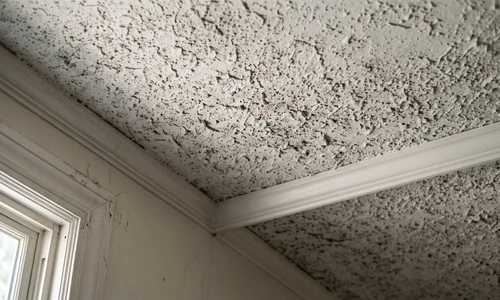
Popcorn texture, sometimes called acoustic texture, is the heaviest and most visually distinct option, with a rough, clumped appearance historically applied to ceilings for sound absorption. It dominated ceiling finishes from the 1950s through the 1980s. Today it's largely fallen out of favor for two reasons: it's difficult to clean, and popcorn texture applied before the late 1970s may contain asbestos. If you're dealing with an older popcorn ceiling and plan to disturb it, professional testing is worth the investment before any sanding or removal begins.
Orange Peel and Knockdown Textures
What's the difference between orange peel and knockdown texture? Orange peel has a fine, uniform, slightly bumpy surface resembling citrus skin, applied by spraying and left as-is. Knockdown starts the same way but gets a flat trowel pass while wet, creating a mottled, flattened pattern with more visual variation. Knockdown generally hides larger imperfections better; orange peel offers a subtler, more consistent look.
Both textures perform reasonably well in moderate humidity, though neither is inherently moisture-resistant. In bathrooms and kitchens, a properly primed and painted texture holds up fine, but persistent moisture exposure can cause any texture (or smooth finish) to bubble or crack over time if ventilation is inadequate.
Materials and Application Methods
Is texture the same as joint compound? Not exactly. Joint compound is formulated to finish drywall seams smoothly and sand easily. Texture compound is often a modified version of joint compound, thinned and mixed with additives, or a separate premixed product designed specifically to hold shape and pattern when sprayed or troweled onto the wall.
Spray Application
Spray texture requires a hopper gun and an air compressor, or a canned aerosol product for small patch jobs. Spraying is the fastest way to cover large ceilings or walls and produces the most consistent orange peel or popcorn pattern. It has a learning curve: too much material creates heavy clumps, too little leaves bare patches, and overspray can land on floors, trim, and fixtures if the room isn't masked off thoroughly.
Trowel and Hand Application
What can I use for drywall texture? Options include spray-applied texture compound, trowel-applied joint compound with texture additives, brush or roller-applied products for stomp textures, and premixed buckets designed for small repairs. Each method suits different skill levels and project sizes, from a full-room spray job to a single patched section blended by hand.
Hand-applied knockdown texture uses a hopper gun or a stiff brush to apply compound, followed by a wide knockdown knife dragged across the surface at a shallow angle once the compound tacks up but before it fully sets. Getting the timing right takes practice: too early and the knife smears everything into mush, too late and the trowel won't flatten the peaks at all. Tape joints must be fully finished and sanded before any texture goes on, since texture will not disguise a poorly taped seam, only a minor surface irregularity.
Durability, Maintenance, and Long-Term Considerations
How long does drywall texture last before it needs refreshing? A properly applied and painted texture can last the life of the wall, often 20 years or more, with no functional degradation. What changes over time is appearance: paint fades, dust accumulates in heavier textures, and repairs can leave visible seams if not matched carefully. Most texture "failure" is cosmetic rather than structural.
Cleaning and Maintenance by Texture Type
Smooth walls wipe clean easily and show scuffs plainly, which some homeowners consider a downside. Orange peel and knockdown textures hide light scuffs well and can be spot-cleaned with a damp cloth. Popcorn texture is the hardest to clean; dust and cobwebs settle into its pockets, and scrubbing it risks knocking loose chunks of the texture itself. Repainting is usually the more realistic refresh option for popcorn ceilings rather than deep cleaning.
Texture Removal and Modern Refresh Options
Removing existing texture, particularly older popcorn ceilings, involves wetting the surface and scraping it off, then skim-coating the ceiling smooth before repainting. It's messy, labor-intensive work, and homes built before 1980 should be tested for asbestos before any scraping begins. An alternative to full removal is skim-coating over the existing texture to create a smooth surface without disturbing the original layer, which sidesteps the asbestos question entirely if done carefully. If drywall repair and texture work turns up unexpected complications like water damage under the texture or a pattern you can't match by hand, that's a natural point to bring in a professional rather than push through and risk a visible patch.
Drywall Texture and Modern Design Trends
Minimalist, industrial, and luxury design styles generally favor smooth walls, since flat surfaces read as more refined and photograph better under strong lighting. Texture hasn't disappeared, though; some homeowners intentionally choose a subtle orange peel for its forgiving, low-maintenance qualities in busy households with kids or pets. Neither choice is objectively better. The right answer depends on your design goals, your tolerance for wall imperfections, and how much you're willing to invest in achieving a flawless smooth finish versus a quicker textured one.
Textured vs. Smooth Drywall: Making the Right Call
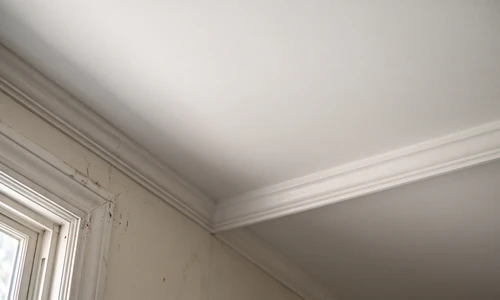
If your project is a small patch in an already-textured wall, matching the existing pattern is almost always the right move; a smooth patch on a textured wall stands out immediately. If you're finishing a new room, a full remodel, or replacing drywall in a space you want to modernize, smooth may be worth the extra labor and cost.
- Choose texture when: you're matching an existing finish, want ceiling acoustic benefits, or need to hide an imperfect substrate economically.
- Choose smooth when: the design calls for a modern look, the wall will display artwork or mirrors, or you're prepping a home for resale in a market favoring clean finishes.
Special Considerations for Challenging Situations
Older homes present the trickiest scenarios: popcorn ceilings that may contain asbestos, texture patterns applied decades ago that are hard to replicate by hand, and water-damaged texture that's crumbling or discolored. Matching a discontinued texture style, especially heavy hand-applied patterns from custom builds, can take real trial and error on scrap drywall before touching the actual wall. In any of these cases, especially where asbestos testing or ceiling-height spray work is involved, it's worth having a professional assess the situation before you start scraping or spraying.
Maintenance and Long-Term Care
Does drywall texture require special ongoing maintenance? Textured drywall doesn't require special maintenance beyond normal wall care: occasional dusting, repainting every several years, and prompt repair of any moisture damage. Heavier textures like popcorn need gentler cleaning methods since scrubbing can dislodge the compound.
- Dust textured surfaces periodically with a soft brush attachment rather than a wet cloth on heavier textures.
- Repaint every 7 to 10 years to keep color consistent and seal any hairline settling cracks.
- Address moisture issues immediately; texture over a damp substrate will bubble, crack, or separate from the wall.
- Keep a small amount of matching texture compound on hand for minor touch-ups after hanging shelves or fixtures.
Things to Consider Before You Start
- Are you matching an existing pattern or starting fresh? Matching by hand is far harder than applying texture to new drywall with no pattern constraints.
- Is asbestos testing needed? Any home built before 1980 with original popcorn texture should be tested before sanding or scraping.
- Do you have the right equipment? Spray texture requires a hopper gun and compressor; renting or buying this gear only makes sense for larger jobs.
- Can you commit to the timing window? Knockdown and stomp textures require catching the compound at the right tack before it sets.
If those questions raise more uncertainty than confidence, that's the signal you're on the side of the line where a professional saves you a redo.
Why Homeowners Bring in Ace Handyman Services
- Peace of mind when matching decades-old texture patterns that are difficult to replicate by hand.
- A one-year labor warranty backing the finished work.
- No need to source, learn, or return a hopper gun and compressor for a one-time job.
- Background-checked, multi-skilled W-2 craftsmen, not gig-platform contractors.
- A predictable weekday timeline that doesn't eat into your weekend.
- Right-sized scope: honest guidance on whether your project needs full texture, a skim coat, or a simple patch.
- Cleanup included, so overspray and compound dust don't become your problem after the crew leaves.
If a texture-matching job, an old popcorn ceiling, or a full room refinish has you weighing whether to take it on yourself, reach out to your local Ace Handyman Services office to talk through the scope before you buy materials.
Frequently Asked Questions
Is drywall texture necessary?
No, texture is optional. It hides seams and minor surface imperfections and can add acoustic value, but plenty of well-finished homes use smooth drywall exclusively, particularly in modern design contexts.
What is the most popular drywall texture right now?
Orange peel and knockdown lead current preferences because they're subtler than popcorn, hide imperfections effectively, and are easier to touch up during minor repairs.
Can I apply drywall texture myself?
Yes, for smaller projects. Spray texture requires renting a hopper gun and compressor and practicing on scrap board first. Hand-applied knockdown and stomp textures are more forgiving for first-timers but still take practice to match an existing pattern.
Does drywall texture affect home resale value?
It can, depending on buyer preference in your market. Many buyers favor smooth walls in modern listings, while others see texture as a normal, unremarkable feature. Heavily damaged or outdated popcorn ceilings are more likely to be viewed as a negative than a subtle orange peel finish.
Can drywall texture be removed?
Yes, by wetting and scraping the surface, then skim-coating it smooth. Homes with texture applied before 1980 should be tested for asbestos before any scraping begins, since disturbing the material can release fibers.
How much does it cost to apply drywall texture?
Materials for a DIY texture job typically run modestly for a single room, covering compound and primer, while equipment rental for a hopper gun and compressor adds a daily rate if you don't already own one. Costs rise with room size and complexity of the pattern being matched.