


Three repairs on the same punch list rarely stay simple. A cracked section of drywall in the hallway, a bathroom fan that stopped venting, and a gutter that dumped water against the foundation all winter do not just compete for a Saturday; they compete for the same walls, the same shutoff valves, and sometimes the same square foot of ceiling. When repairs stack up, the real question stops being which contractor fixes which item and becomes who decides the order, who shows up when, and who is accountable if one crew's work undoes another's.
Who should you hire for multiple home repairs at once? For a handful of unrelated small to mid-size repairs across different rooms, a multi-skilled handyman or home repair professional who can handle several trades in one visit is usually the most efficient answer. For projects involving structural work, major system changes, or four or more interdependent trades, a general contractor who can sequence and supervise subcontractors becomes the more reliable choice.
Ace Handyman Services fits into this decision at more than one point. A craftsman trained across multiple trades can knock out a batch of unrelated repairs in a single visit, and if a project turns out to need heavier coordination than expected, that same visit often surfaces the scope clearly enough to plan the next step with confidence.
Quick Overview: What Coordinating Multiple Repairs Actually Involves
Before comparing contractor types, it helps to see the shape of the work itself. Coordinating simultaneous repairs is less about any single trade and more about sequencing, communication, and who owns the schedule.
- Scope and inventory: List every repair, note which room or system each touches, and flag any that share a wall, floor, or utility line.
- Role decision: Determine whether a general contractor, a multi-trade handyman, or a set of individually hired specialty trades fits the scope.
- Vetting: Confirm licensing, insurance, and multi-trade experience before anyone touches the property.
- Sequencing: Map which repairs must happen before others (structural before finishes, mechanical before drywall, plumbing rough-in before electrical in the same wall cavity).
- Estimates and proposals: Compare written scope, timeline, and change order terms across bidders on an apples-to-apples basis.
- Permits and inspections: Identify which repairs require permits and who schedules the inspection.
- Execution and communication: Establish a single point of contact, a schedule for site access, and a documentation habit for photos and change orders.
- Closeout: Confirm every trade signed off, inspections passed where required, and warranty terms are documented.
Understanding the Five Core Contractor Roles for Home Repairs
Home repair professionals fall into a small number of functional roles, and understanding the boundaries between them clarifies who to call before you start comparing bids. General contractors coordinate and supervise other trades on complex or multi-phase work. Builders handle structural and framing-heavy repairs. Specialty trades, electricians, plumbers, and HVAC technicians, handle licensed systems work. Kitchen and bath remodelers combine several trades for room-specific projects. Multi-skilled handyman professionals handle smaller, unrelated repairs that do not require a licensed specialty trade or a full coordination structure.
Most homeowners hire at least one of these roles for any given project, and industry survey data consistently shows the overwhelming majority of renovation and repair work involves a professional rather than a fully self-performed job. Roughly three in ten homeowners who tackled significant renovation work in a recent year brought in a general contractor specifically to manage the coordination, not just to perform the labor.
When to Hire a General Contractor as Your Orchestrator
A general contractor earns their role when a project involves several simultaneous trades, a timeline with dependent phases, or enough complexity that unforeseen issues are likely. If your list of repairs includes structural changes plus finish work, or if three or more trades need to enter the same space in sequence, a GC's coordination value outweighs the cost of self-managing. The GC becomes the single point of accountability: they schedule subcontractors, absorb the friction when one trade runs long, and carry responsibility for the overall outcome rather than any one task.
Managing Multiple Trades Yourself: The Coordination Checklist
Self-managing multiple repairs is realistic when the list is smaller or the trades do not physically overlap. If you take this route, build a simple operational framework before anyone shows up. Confirm a communication method and expected response time with each trade. Set a site access schedule so crews are not competing for the same room on the same day. Designate a staging area for materials so deliveries do not block work zones. Map interdependencies in writing, noting exactly which repairs must finish before the next trade can start.
Critical Vetting Criteria for Contractors Managing Multiple Trades
Vetting for a multi-trade project goes beyond checking a license number. Start with baseline qualifications: current licensing for any trade that requires it, proof of liability insurance, and workers compensation coverage for their crew. Then move into multi-trade experience specifically, since managing three interdependent trades on one project is a different skill than performing one trade well. Ask how many similar multi-repair projects they have coordinated in the past year and what their team composition looked like on those jobs.
Communication during coordination matters as much as the work itself. Ask how often you will receive updates, who the single point of contact is if multiple trades are on site, and what the escalation path looks like if a trade falls behind. Finally, ask directly how they handle change orders when a change to one trade's scope affects a trade scheduled after it. A contractor with a clear, specific answer to that question has coordinated multi-trade work before; a vague answer is itself useful information.
Identifying Red Flags in Contractor Proposals and Responses
If a contractor's estimate is missing itemized line items, offers a timeline that seems unrealistic for the stated scope, or omits any mention of insurance or permits, reconsider before signing. Additional warning signs include references that are unavailable or clearly outdated, no discussion of how subcontractors will be coordinated, and resistance to putting a change order process in writing. None of these signs is automatically disqualifying on its own, but two or more together suggest a proposal built quickly rather than one built around your specific scope.
Sequencing Trades: The Right Order for Multi-Repair Projects
Repairs generally follow a structural to mechanical to electrical to finishes sequence: structural or framing corrections happen first, mechanical systems such as plumbing and HVAC come next, electrical work follows once the mechanical rough-in is set, and cosmetic finishes like drywall, paint, and flooring close out the project. Getting this order wrong is the single most common cause of rework on multi-trade projects, because finish materials installed too early get torn out when a later trade needs access behind them.
For mixed structural and finishing repairs, foundation or framing work always leads, followed by mechanical rough-in, then drywall, then finishes. For bathroom or kitchen repairs touching several systems at once, the order runs structural changes first, then plumbing and HVAC, then electrical, then tile, cabinetry, or paint. For whole-home repair lists spanning the exterior and interior, roof or foundation issues typically take priority since water intrusion compounds every repair scheduled after it, followed by interior systems, then cosmetic work.
Understanding Trade Dependencies and Scheduling Conflicts
Plumbing rough-in generally has to be complete before electrical work happens in the same wall cavity, since both trades need space inside the same stud bay and running them simultaneously creates conflicts and safety issues. HVAC ductwork needs to be installed before drywall closes the ceiling or walls around it. Electrical trim and fixture work typically happens last, after other trades have finished and vacated the space, so fixtures are not damaged by later work.
Managing Change Orders When Multiple Contractors Are Involved
A change order should always be written down and should specify the exact scope change, the cost impact, the timeline impact, and a signature or written acknowledgment from every trade the change affects. The real risk in a multi-trade project is not the change order itself but its cascade: if a plumber discovers a pipe needs rerouting and that adds two days, does the electrician's start date shift, and does the drywall crew know before they show up expecting an open wall?
Establish upfront who is responsible for communicating a change to every downstream trade, whether that is a general contractor acting as the single point of contact or you personally if you are self-managing. No work tied to a change order should proceed until the affected homeowner and trade have both approved it in writing. Skipping this step is how a small plumbing surprise turns into a week of idle electricians and a compressed finish schedule at the end.
Communication Protocols and Site Management for Multiple Contractors
Every multi-trade project benefits from a designated site contact, whether that is a general contractor's project manager or you. That person should hold the escalation path for any issue that comes up mid-project. If trades overlap on the same days, a short daily or weekly coordination check-in keeps everyone aligned on what changed since the last visit.
Site logistics matter more than most homeowners expect going in. Decide who has key or lockbox access, where crews park, and where materials get staged so deliveries for one trade do not block another trade's work area. Photograph progress at each phase transition, particularly before a wall or ceiling closes, since that documentation protects you if a warranty question comes up later. A consistent habit here also gives you a paper trail if a dispute over scope or quality arises after the project wraps.
Insurance, Liability, and Homeowner Risk When Coordinating Multiple Trades
Contractor liability insurance typically covers damage caused by their work and injuries to their own employees while performing it. What it does not automatically cover is your exposure as the person coordinating several outside contractors on your property at once. If you are self-managing multiple trades rather than hiring a general contractor to hold that liability, ask your homeowner's insurance provider whether your policy needs a specific endorsement for active renovation or repair work happening on site.
Confirm each trade carries workers compensation, since a gap here can shift injury liability back to you as the property owner directing the work. Keep copies of every contractor's certificate of insurance on file before work begins, not after. If a contractor's work causes damage or an injury occurs on site, document it with photos and written notes immediately, and notify both your insurer and the contractor's insurer the same day.
Getting Multiple Estimates and Comparing Contractor Proposals
Comparing bids on a multi-trade project only works if every bidder is pricing the same scope. Decide upfront whether you want a single integrated bid covering the entire project or separate bids per trade, and give every bidder the identical scope document so their numbers are comparable. Standardize the timeline and payment terms you ask for as well, since a bid with favorable pricing but a vague schedule or unclear payment structure is harder to evaluate honestly against one with clear terms.
Every written estimate should itemize labor, materials, projected timeline, proof of insurance, and the change order process before you sign. A bid that comes in noticeably lower than others on the same scope often reflects an incomplete understanding of the project rather than genuine efficiency, so treat a low outlier as a prompt to ask more questions rather than an automatic win.
Building Permits, Inspections, and Code Compliance Across Multiple Trades
Structural changes, electrical work, plumbing work, and HVAC modifications typically require permits, while cosmetic repairs like painting or flooring usually do not. On a multi-trade project, decide early whether a single umbrella permit covers the scope or whether each trade needs its own, since this affects both cost and inspection timing. Inspections generally happen after each major phase rather than only at the end, particularly for anything that will be covered by drywall or flooring afterward.
Clarify who schedules inspections, since an uninspected phase that gets covered by later work can mean opening the wall back up to satisfy an inspector. Unpermitted work also creates real exposure at resale and can complicate an insurance claim if damage later traces back to work that was never inspected. This is one more reason a general contractor's coordination value shows up clearly on any project with structural or system-level repairs mixed into the list.
One Coordinated Visit vs. Full Multi-Trade Contractor Coordination
Not every batch of repairs needs a general contractor or a sequenced schedule of specialty trades. A stack of smaller, unrelated repairs, a loose railing, a squeaking door, a patch of drywall, a leaking faucet handle, often fits comfortably into a single visit from a home repair and upkeep professional who works across several trades. The deciding factor is whether the repairs touch the same structural or mechanical systems. If they do not overlap and none require a licensed specialty permit, a one-visit approach through home repair and upkeep services is usually the more efficient path, since it skips the scheduling overhead of coordinating separate trades entirely.
Choose the lighter, one-visit route when your repairs are cosmetic or minor mechanical items spread across different rooms, none require a permit, and no single item depends on another being finished first. Choose full multi-trade coordination when the list includes structural work, licensed system changes, or repairs that physically depend on each other's completion order. Being honest about which category your list falls into up front saves both money and scheduling headaches later.
Special Considerations for Challenging Multi-Repair Situations
Older homes complicate sequencing further, since outdated wiring, cast iron plumbing, or plaster walls behind newer drywall can turn a straightforward repair into a discovery project mid-sequence. Water damage that touches multiple systems, a roof leak that has already reached electrical fixtures and drywall, needs a different order than a purely cosmetic repair list, since drying and remediation has to happen before any finish work begins. Repairs involving shared walls in a duplex or townhome also add a layer of coordination, since access and notification requirements may extend beyond your own unit.
When repairs touch an irreplaceable or original architectural feature, original trim, a historic tile pattern, a built-in cabinet, the sequencing conversation should happen before any trade opens a wall near it, not after. A coordinated visit that includes an assessment of interior preventative maintenance can also flag smaller issues that would otherwise turn into their own separate repair list within a year.
Maintenance and Long-Term Care
How do you keep multiple small repairs from becoming a recurring project every few months? Set a recurring seasonal walkthrough, ideally through interior preventative maintenance, to catch loose fixtures, drafts, and minor wear before they compound into a longer punch list. Consistent inspection intervals reduce the frequency of emergency multi-repair situations.
- Walk the interior and exterior of your home twice a year and log anything that looks like it is starting to fail.
- Keep a running file of every completed repair, including which contractor performed it and what warranty applies.
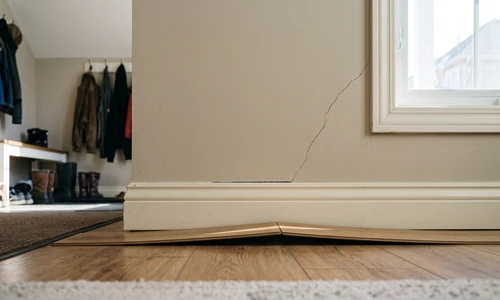
- Address small issues, a loose handrail, a hairline drywall crack, before they grow into repairs that overlap with other systems.
- Reconfirm insurance coverage annually if you regularly bring in multiple independent trades rather than a single coordinating contractor.
Things to Consider Before You Start
Do your repairs actually overlap, or are they just on the same list? Two unrelated cosmetic repairs in different rooms do not need the same coordination as two repairs that share a wall or a utility line.
Can you commit real time to being the site contact? Self-managing multiple trades means someone answers calls, resolves conflicts, and tracks change orders daily, not just on weekends.
Does any repair on your list require a permit? If so, sequencing and inspection timing become non-negotiable rather than optional planning steps.
Is your homeowner's insurance current on coverage for active repair work? Confirm this before multiple independent crews are on the property at once.
If your list is small, unrelated, and permit-free, you are on the side of the line where a single coordinated visit likely solves everything. If it includes structural work, several interdependent trades, or a compressed timeline, you are on the side of the line where a general contractor's coordination earns its cost.
Why Homeowners Bring in Ace Handyman Services
When a repair list spans several rooms and several skill sets, the value of a single accountable point of contact becomes obvious fast.
- Peace of mind on repairs that touch original trim, tile, or other surfaces you cannot easily replace.
- A one-year labor warranty backing the work, regardless of how many separate items were on the original list.
- No need to source, learn, or return specialized equipment for a repair you will likely only do once.
- Background-checked, multi-skilled W-2 craftsmen who can address several unrelated repairs in a single visit rather than requiring separate trade calls.
- A predictable weekday timeline that does not eat into your weekends waiting on multiple contractor schedules to align.
- Honest scoping that recommends a lighter, single-visit approach when that is genuinely the right call, rather than upselling coordination you do not need.
- Cleanup included after every visit, so a multi-repair project does not leave you with debris from three different trades to manage yourself.
If you are weighing whether your repair list needs full multi-trade coordination or fits into a single efficient visit, reach out to your local Ace Handyman Services office to talk through the scope before you commit to either path.
When a repair turns out to be bigger than a weekend, request an estimate from Ace Handyman Services and a local, background-checked craftsman will handle it from there.
Frequently Asked Questions
What is the 30 percent rule for renovations?
The 30 percent rule is a budgeting guideline suggesting homeowners set aside roughly 30 percent of a renovation budget as a contingency for unforeseen issues, particularly on multi-trade projects where opening one wall or system often reveals a second problem behind it.
What should you avoid telling a contractor during multi-trade coordination?
Avoid volunteering that you are locked into a tight deadline or that you have already accepted a low bid elsewhere, since either detail can shift negotiating leverage. Keep scope discussions focused on the written proposal rather than your urgency or budget ceiling.
How do general contractors typically charge for coordinating multiple trades?
Most general contractors price multi-trade projects on a project basis or a cost-plus structure rather than a flat hourly rate, since hourly billing does not account well for the coordination and oversight work happening between trade visits. Ask for a written breakdown of how their fee structure applies to your specific scope.
Should I hire one general contractor or coordinate each trade myself?
Choose a general contractor when your project involves three or more interdependent trades, structural work, or a tight timeline with dependent phases. Choose self-coordination when your repairs are smaller, unrelated, and do not require licensed specialty trades working in the same space.
What happens if trades are scheduled in the wrong order?
Scheduling trades out of order is the most common cause of rework on multi-repair projects. A wall closed with drywall before electrical or plumbing rough-in is complete usually has to be reopened, adding both cost and time that a correctly sequenced schedule would have avoided.
Can a single visit really handle several unrelated repairs at once?
Yes, when the repairs are cosmetic or minor mechanical items that do not share a structural or utility connection and do not require a specialty permit. A multi-skilled handyman visit can often resolve four or five unrelated small repairs in the time it would take to schedule and coordinate separate specialty trade calls.